Real-world Problem Solving
Transitioning from passive learning to identifying and tackling authentic challenges.
CULTURE. COURAGE. A WORLD BEYOND THE CLASSROOM.
The adventure is taking a breather.
We’ll break out again.
A look at the original plan, and the ideas behind Breakout. This is not the 2027 itinerary; next summer’s dates, activities and fees are still to be announced.
THE BREAKOUT SPIRIT
Step beyond the familiar. Ask better questions. Make decisions that matter. Breakout brings learning into the streets, the mountains, and the everyday challenges of living and working together.
Transitioning from passive learning to identifying and tackling authentic challenges.
Building mental toughness through structured friction and wilderness survival.
Managing a fixed micro-society budget to develop financial literacy and teamwork.
Fostering a deep understanding of diverse communities and environments.
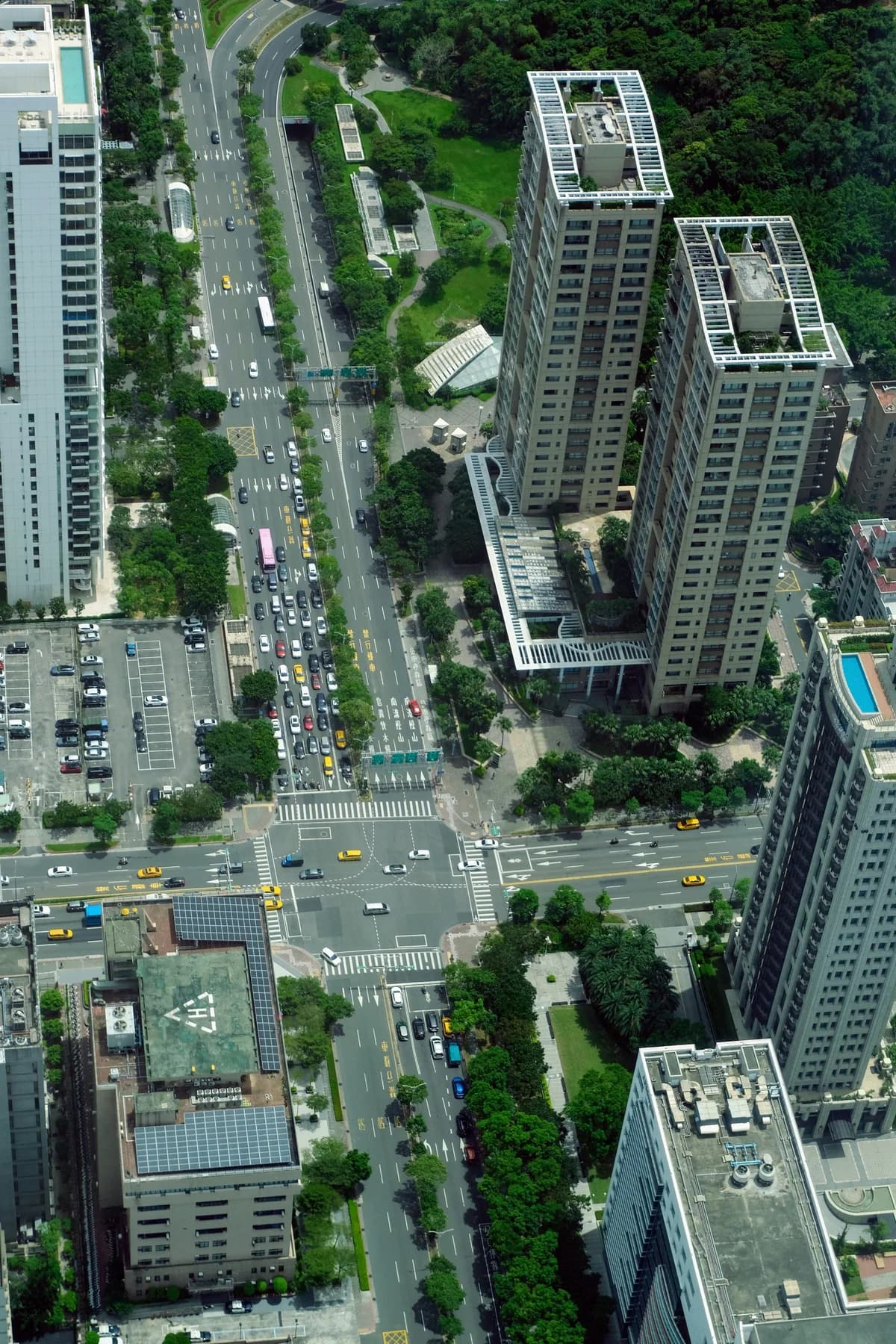
2026 / WEEK 01 · URBAN CONNECT
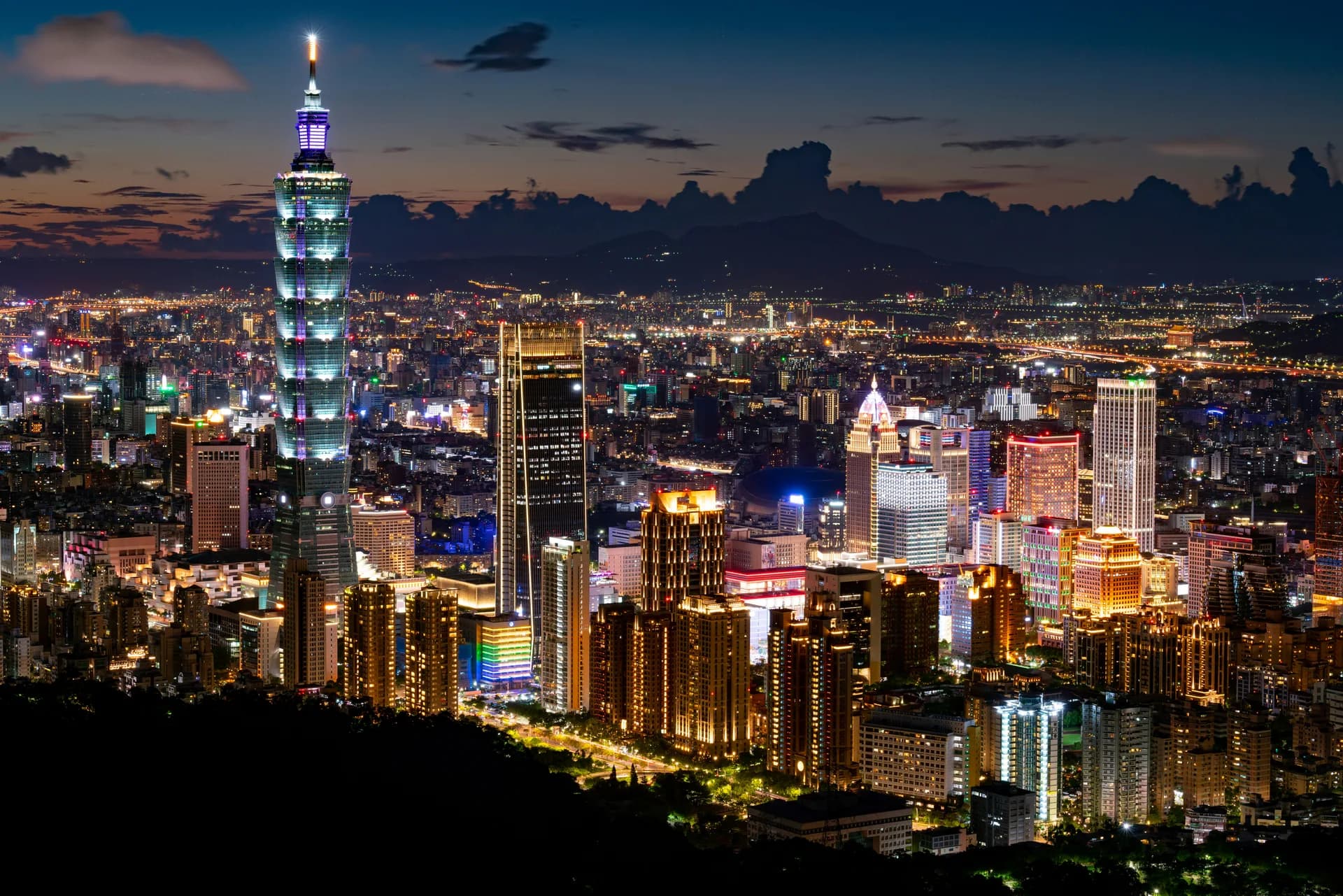
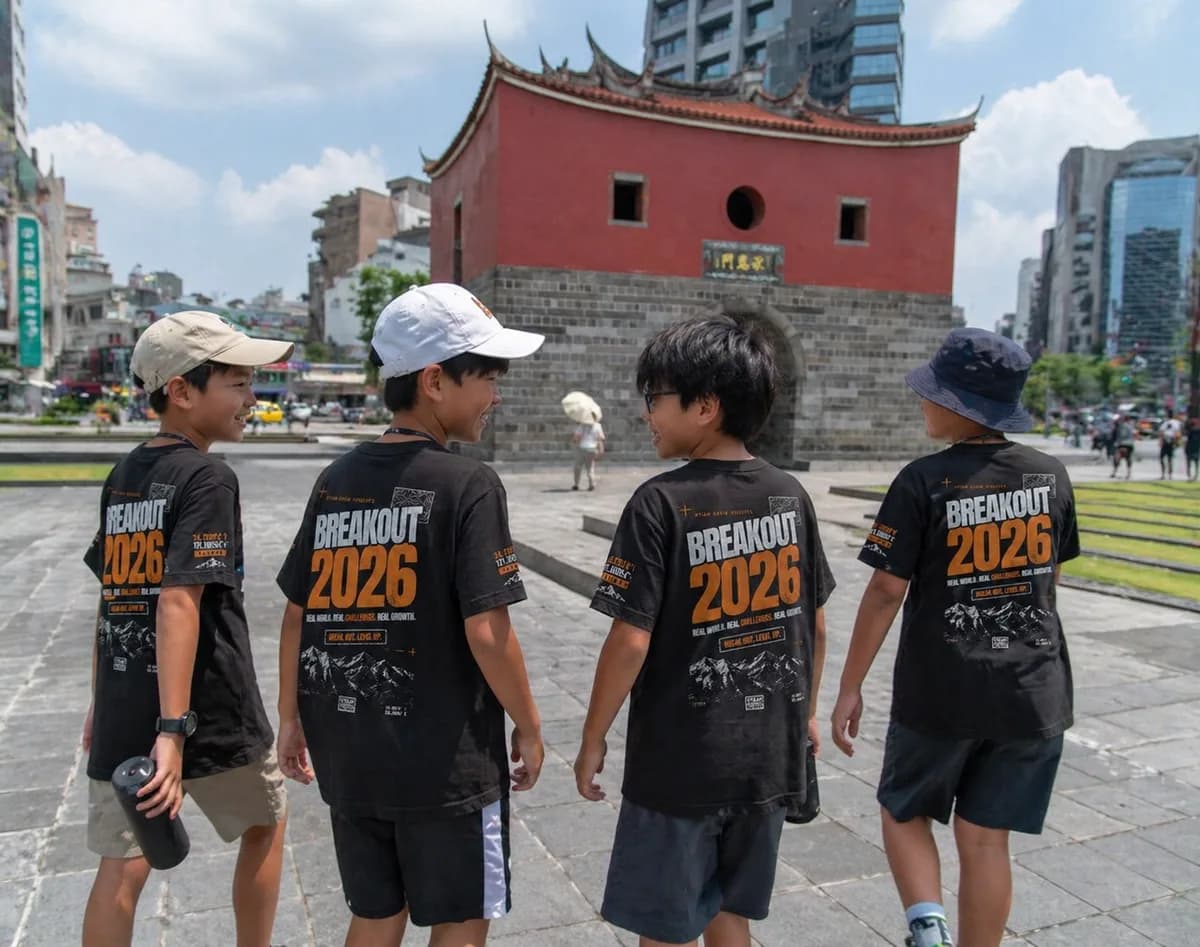
The city becomes a puzzle to decode. The original Taipei plan connected old city gates, railway networks, river trade, science and cultural heritage through observation, English missions and teamwork.
Students investigate how Taipei grew, interview local merchants, compare museum objects and explain what they discover. The learning question comes first; the location helps answer it.
2026 / WEEK 02 · WILD BREATH
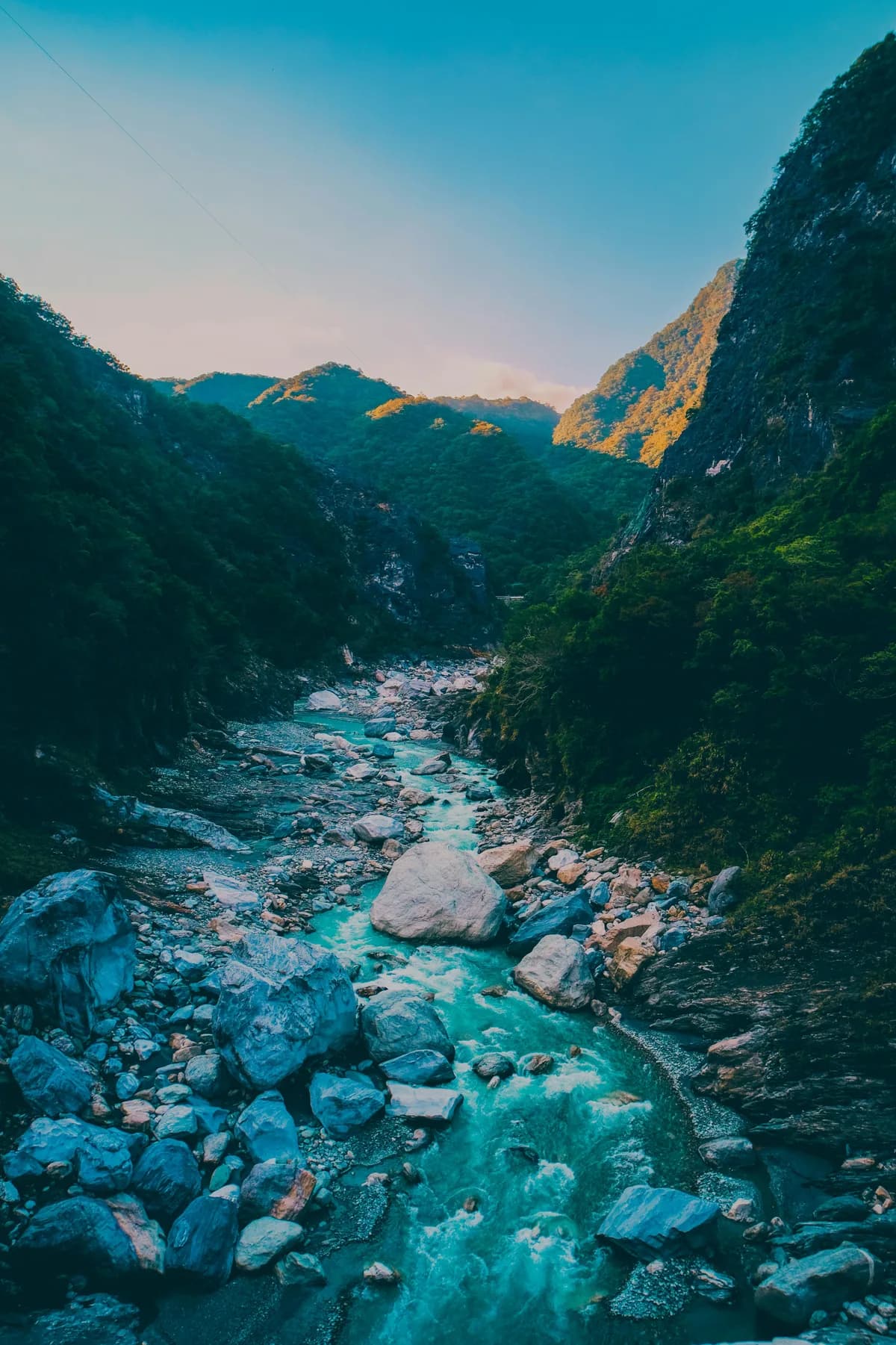
From understanding a city to running a little society. The Hualien plan combined nature and culture with shared budgets, market shopping, cooking, reflection and responsibility for a home base.
With mentors guiding the process, students plan meals, use spreadsheets to track spending, share chores and work through disagreements. Every day creates something real to discuss, improve and try again.
2026 / EXPERIENCES
Ten windows into the original Breakout programme. Pick a mission to look inside.
Explore Taipei's urban evolution from Qing Dynasty defense structures to Japanese colonial urban planning by visiting the North Gate and Futai Street Mansion.
Visit the Railway Department Park and Postal Museum to understand how tracks and postal systems connected resources and democratized communication.
Investigate how river siltation shifted Taipei's trade center to Dadaocheng, and complete missions by interviewing local merchants in English about their exports.
Discuss Taiwan's global semiconductor role and observe the architectural mechanics required for safe buildings in extreme climates at the Science Education Center.
Compare the migration of royal national treasures with the geographic history of Taiwan's indigenous peoples at the National Palace Museum and Shung Ye Museum.
Students step out of their comfort zones to manage a fixed team budget using digital Excel tools, autonomously planning their meals and local market grocery raids.
Master practical wilderness survival skills, including fire-making, trap-setting, and environmental identification at the Cidal Hunter School.
Observe unique coastal environments at Chishingtan beach and learn about marine resource monetization and industry survival chains at the Katsuomuseum.
Push physical and mental limits to overcome river currents and heights, building grit and courage while appreciating Taiwan's natural beauty.
Experience the craftsmanship of the Ciyakan village by hand-wrapping traditional banana rice and undertaking an ecological forest walk to understand the land.
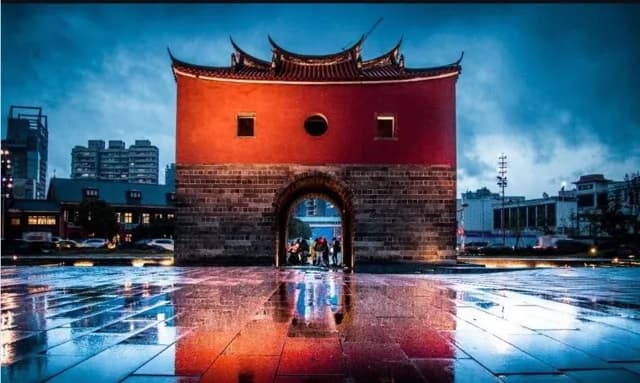
Explore Taipei's urban evolution from Qing Dynasty defense structures to Japanese colonial urban planning by visiting the North Gate and Futai Street Mansion.
2026 / PROGRAMME PLAN
6–17 July 2026 · Historical plan for ages 9–12 · These are not 2027 dates.
Students visit the National Center of Photography and Images, Futai Street Mansion, and the North Gate to understand Taipei's architectural shifts and urban planning transition.
A focus on how railways reshaped urban space with a visit to the Railway Department Park, followed by a trip to the Postal Museum to study the democratization of communication.
Exploring Dadaocheng Old Street and Yongle Market to understand how river siltation shifted Taipei's trade center, along with interviewing local merchants in English about export goods.
Visiting the National Taiwan Science Education Center (NTSEC) and Meilun Park to discuss Taiwan's semiconductor industry and observe architectural mechanics for safe building in extreme climates.
The Taipei week concludes at the National Palace Museum and Shung Ye Museum, comparing the migration of national treasures with the geographic history of Taiwan's indigenous peoples.
The plan combined the train to Hualien, the Creative Park, Railway Culture Park and disaster-prevention learning. At the shared villa, students would begin spreadsheet budgeting, grocery shopping and team cooking.
The plan included Cidal Hunter School in Shuilian for fire-making, trap-making and environmental observation, followed by coastal ecology, budgeting and cooking challenges.
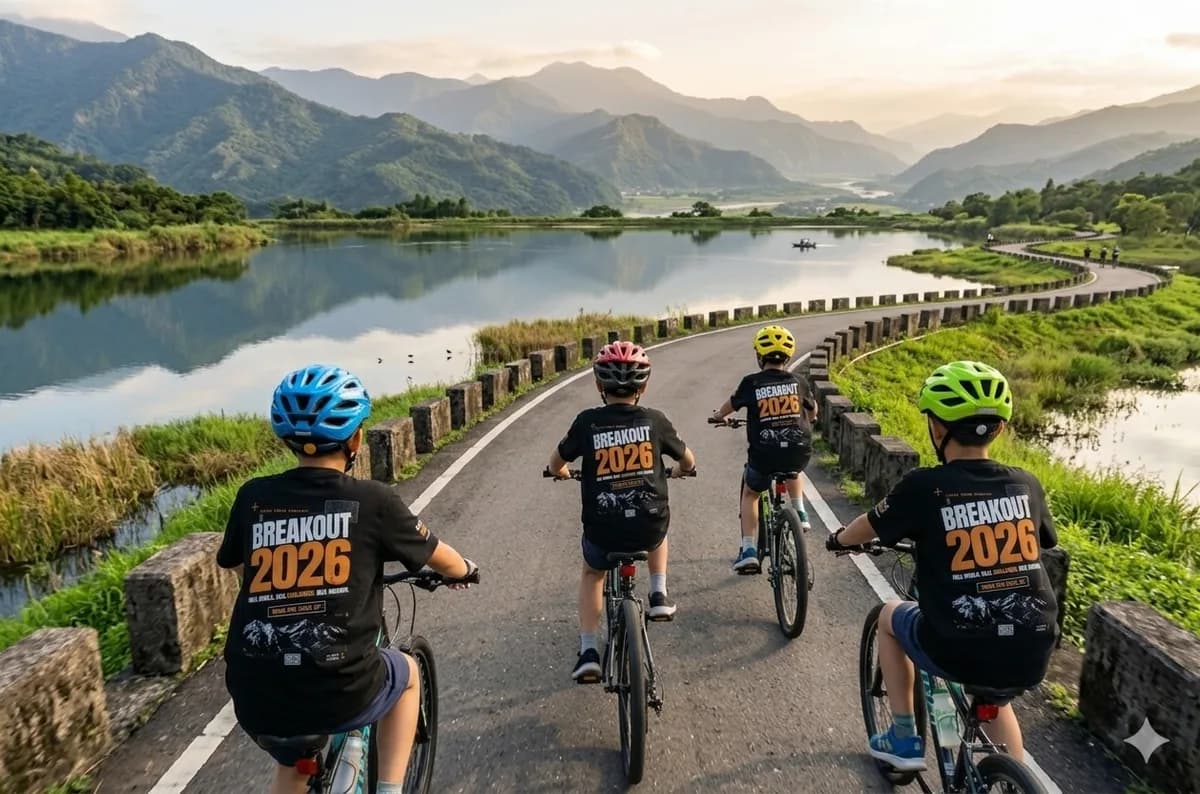
The plan linked Lintianshan forestry history, Chinan National Forest Recreation Area and a cycling challenge around Liyu Lake, followed by a team food challenge at Dongdamen Night Market.
The plan paired river tracing in the Ciyakan area with traditional Truku food and a community ecology walk, followed by a team BBQ back at the villa.
The final-day plan included cleaning the shared villa, marine-environment learning at Qixingtan, using the remaining team budget for family gifts, gratitude reflections and the train back to Taipei.
2026 / BASECAMP PLAN
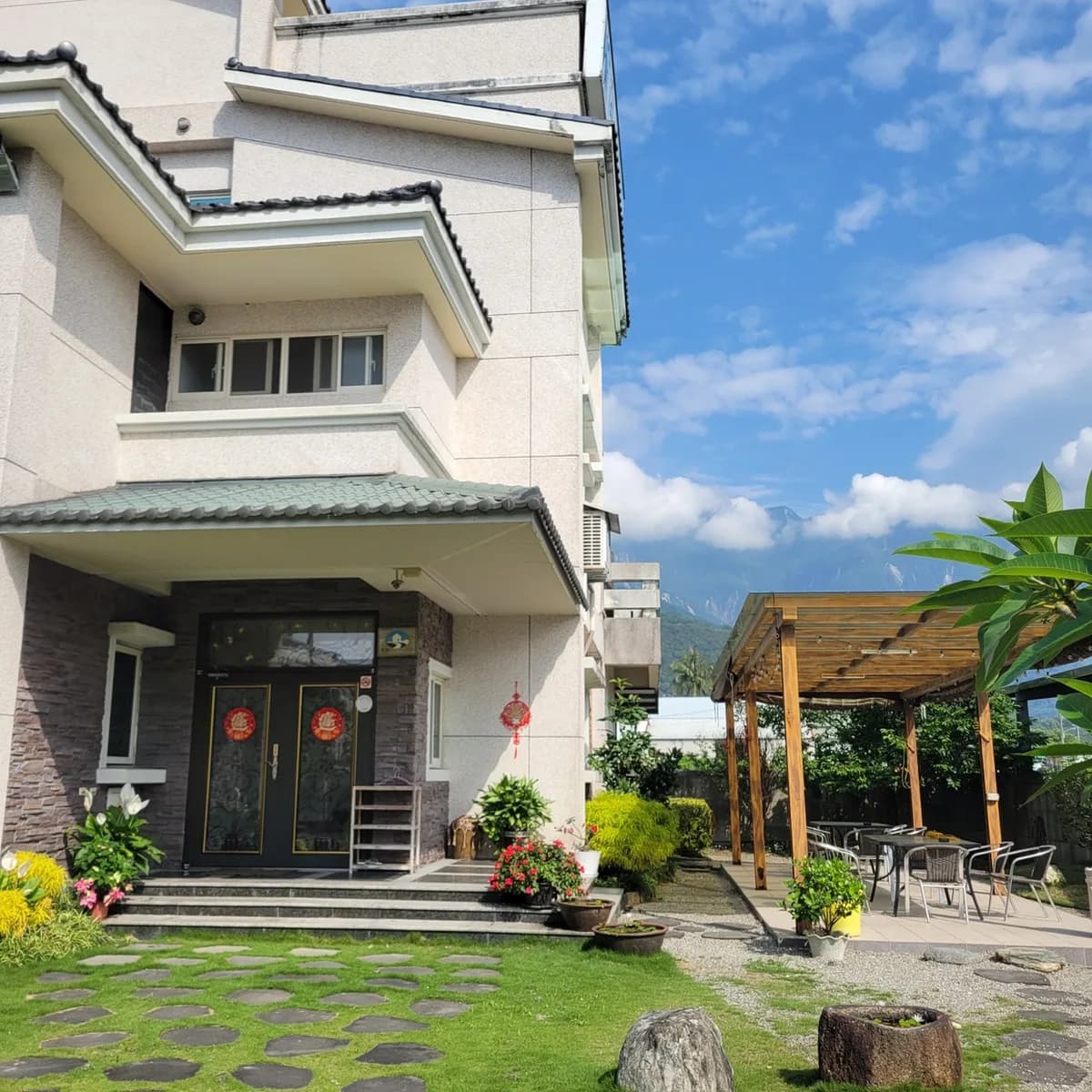
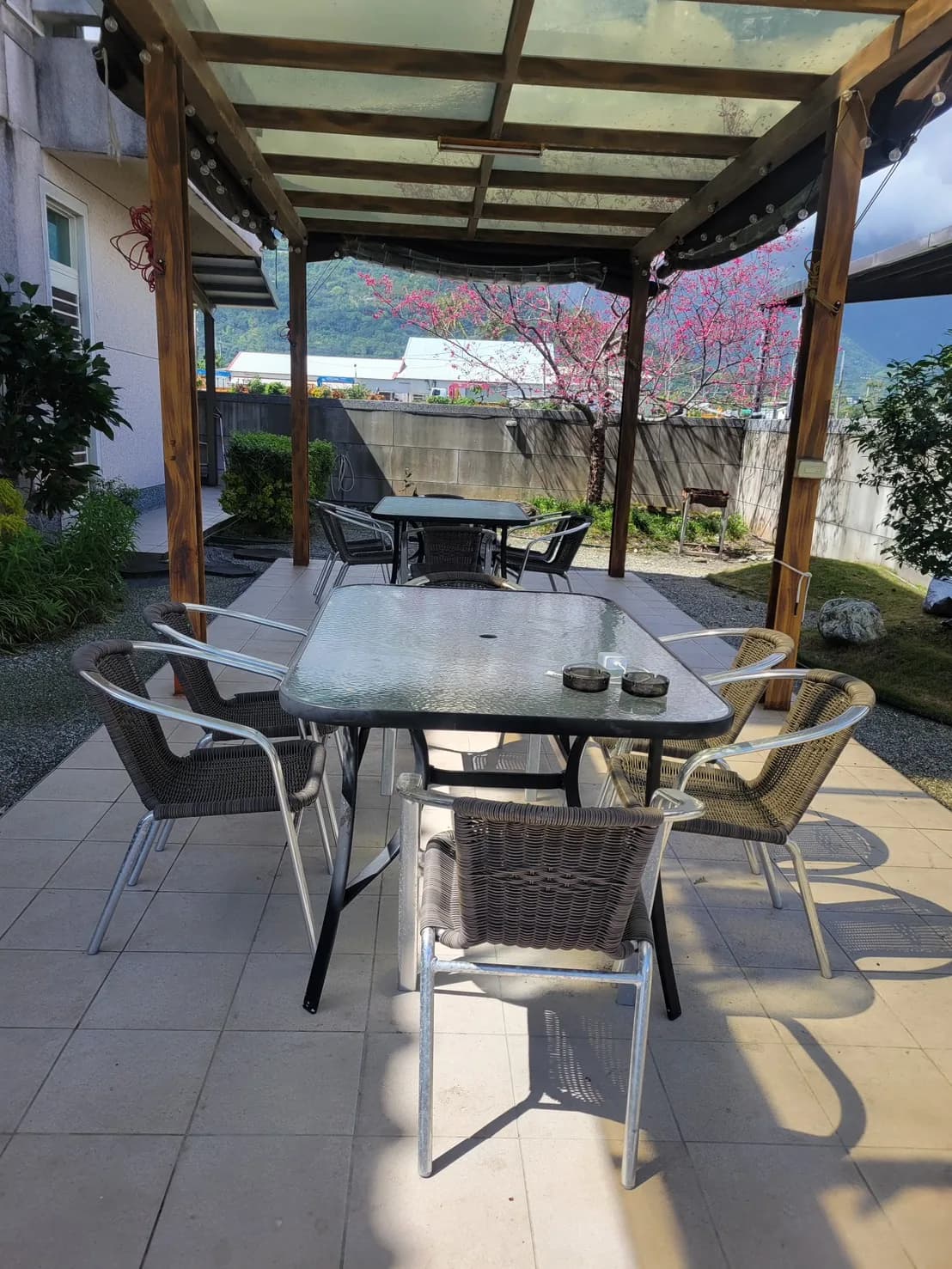
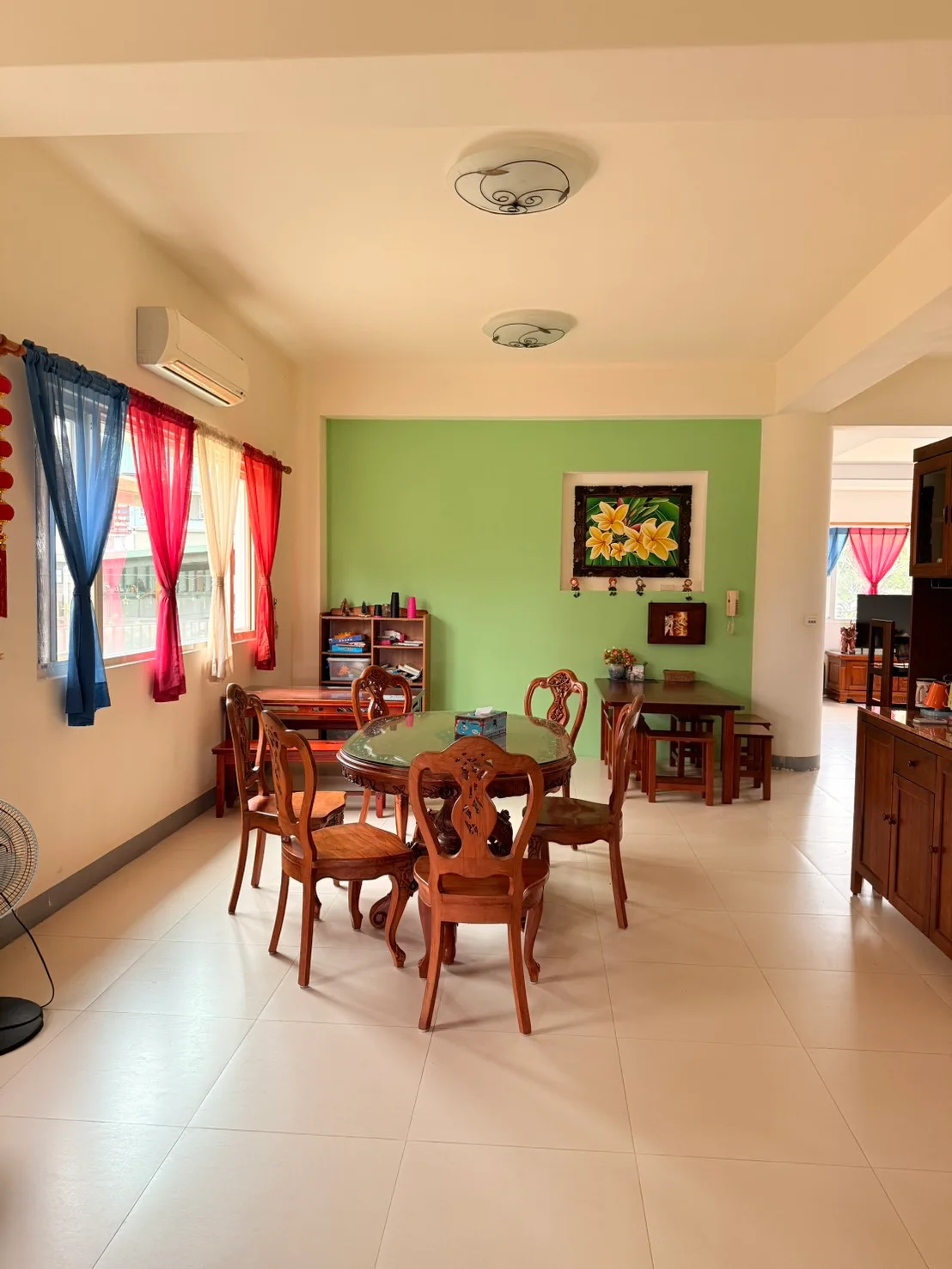
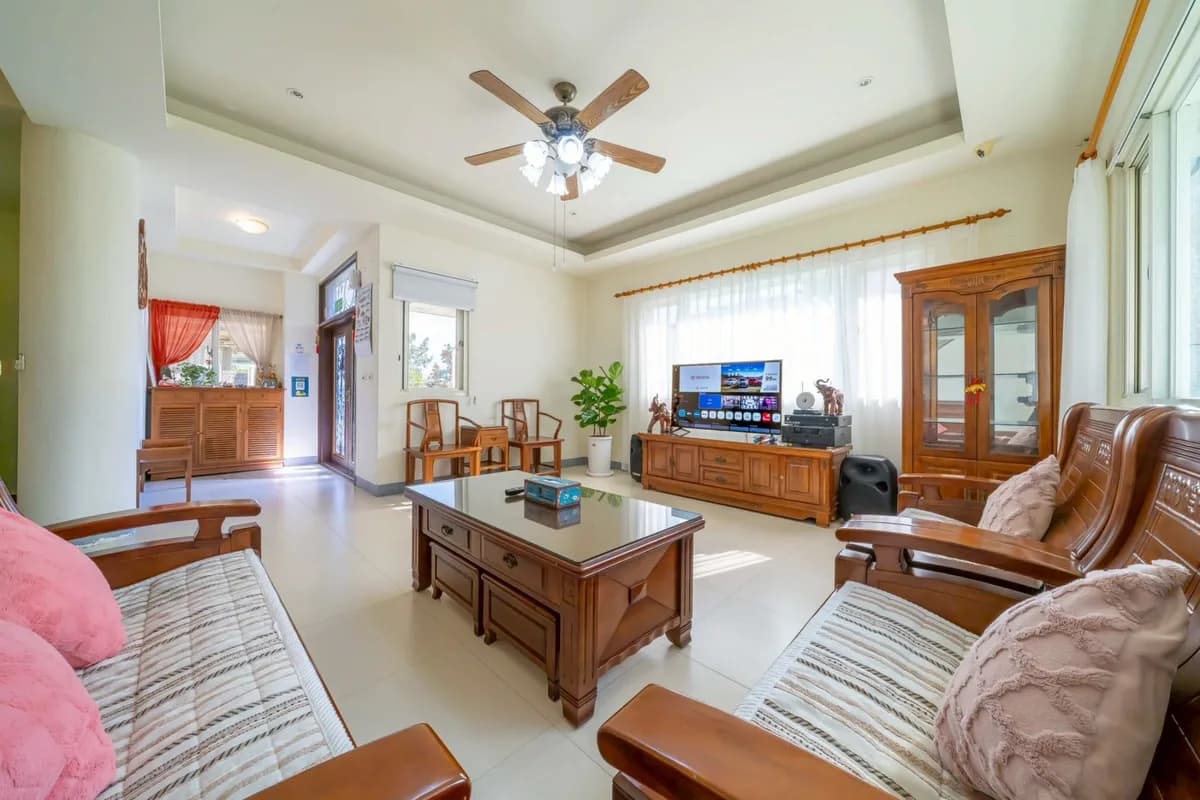
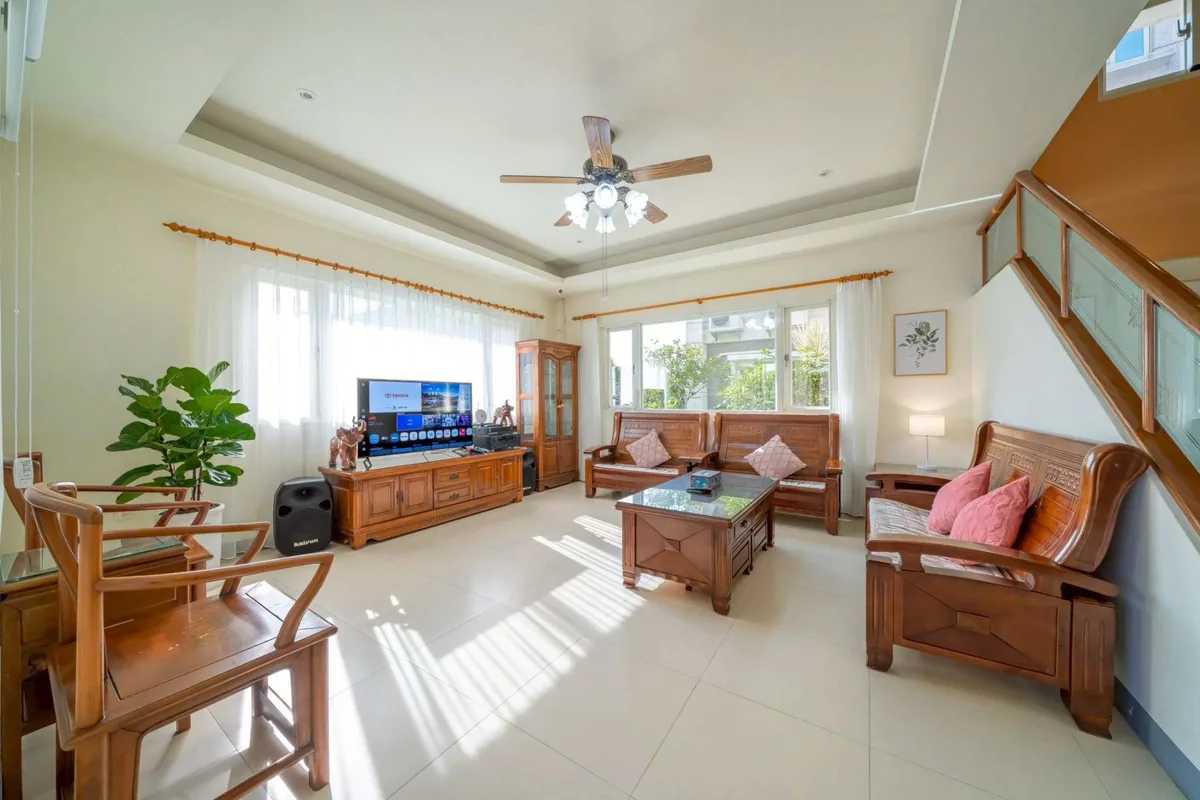
The original plan centred on Taolin Cabin B&B in Ji’an, Hualien: a shared kitchen, evening meeting space and outdoor gathering area. Cooking, budgeting and caring for the space were part of the learning.
Original venue photos · 2027 accommodation not announced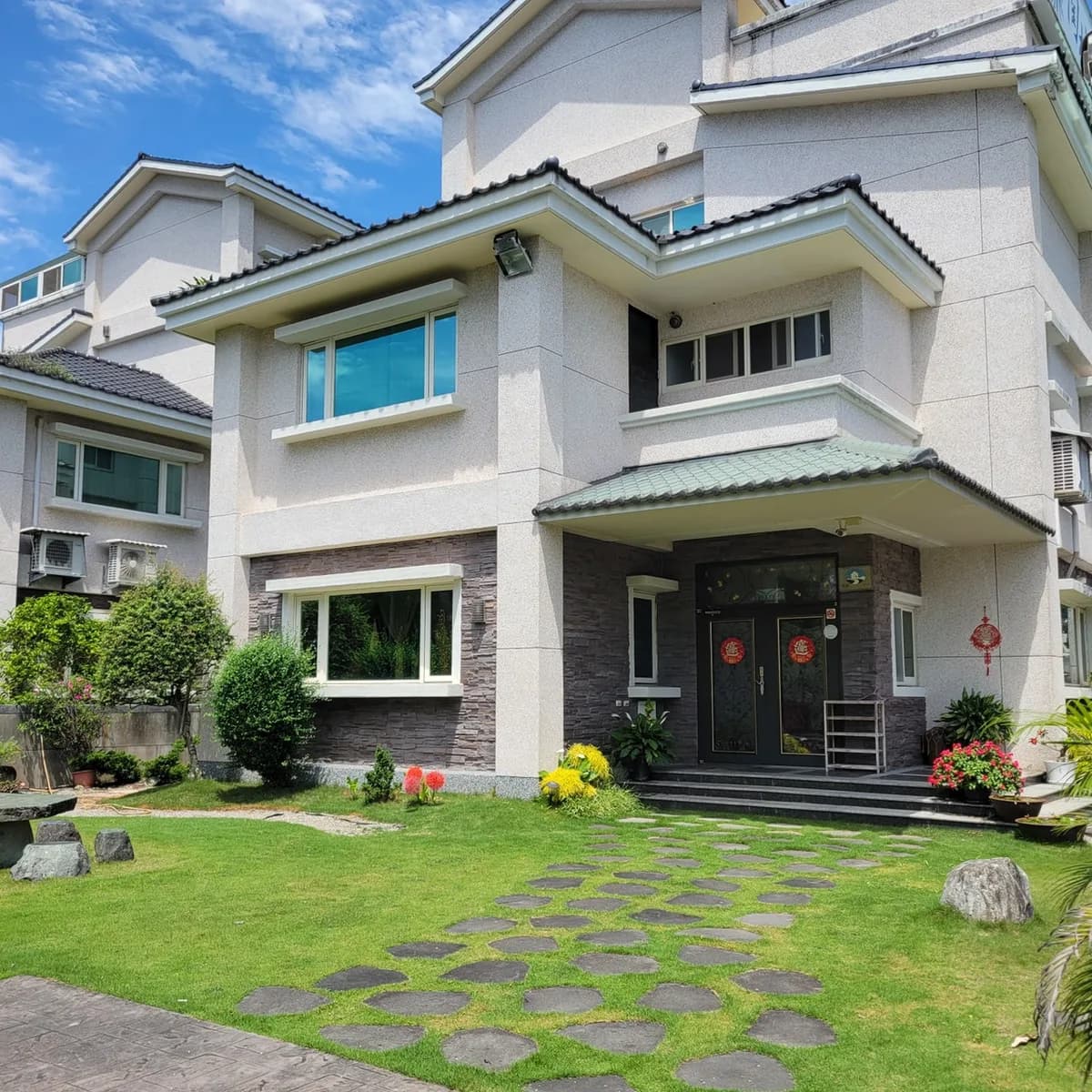
2026 / THE ORIGINAL MENTOR TEAM
The original programme brought together curriculum design, local knowledge and student confidence. The 2027 team will be announced with the next programme.
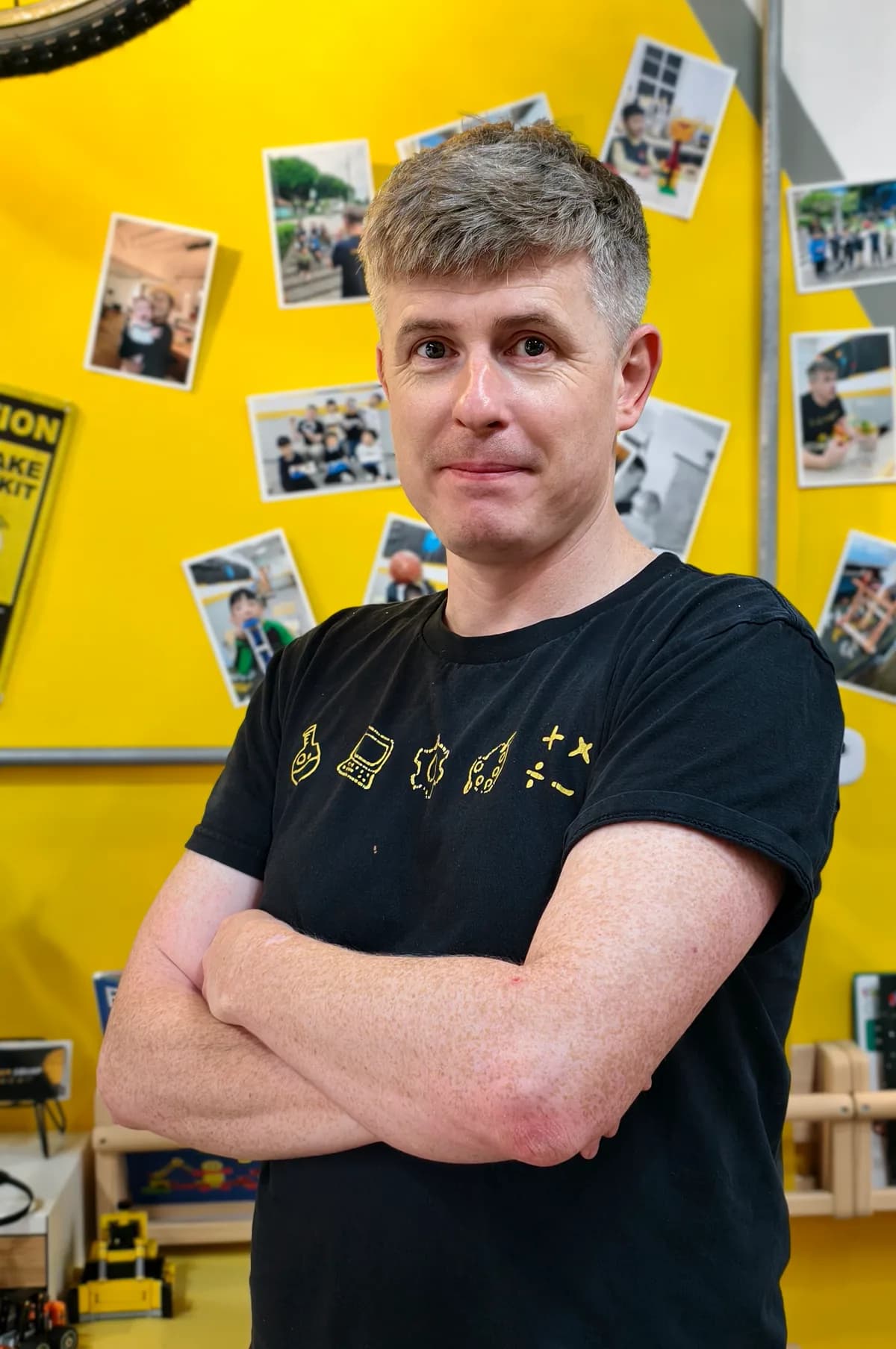
Paul is the founder of STEAM SQUAD and the lead designer behind the books, lessons, projects, and learning systems used across STEAM SQUAD programs. With around 15 years of teaching experience, he specializes in turning complex ideas into hands-on projects that students can build, test, discuss, and improve.
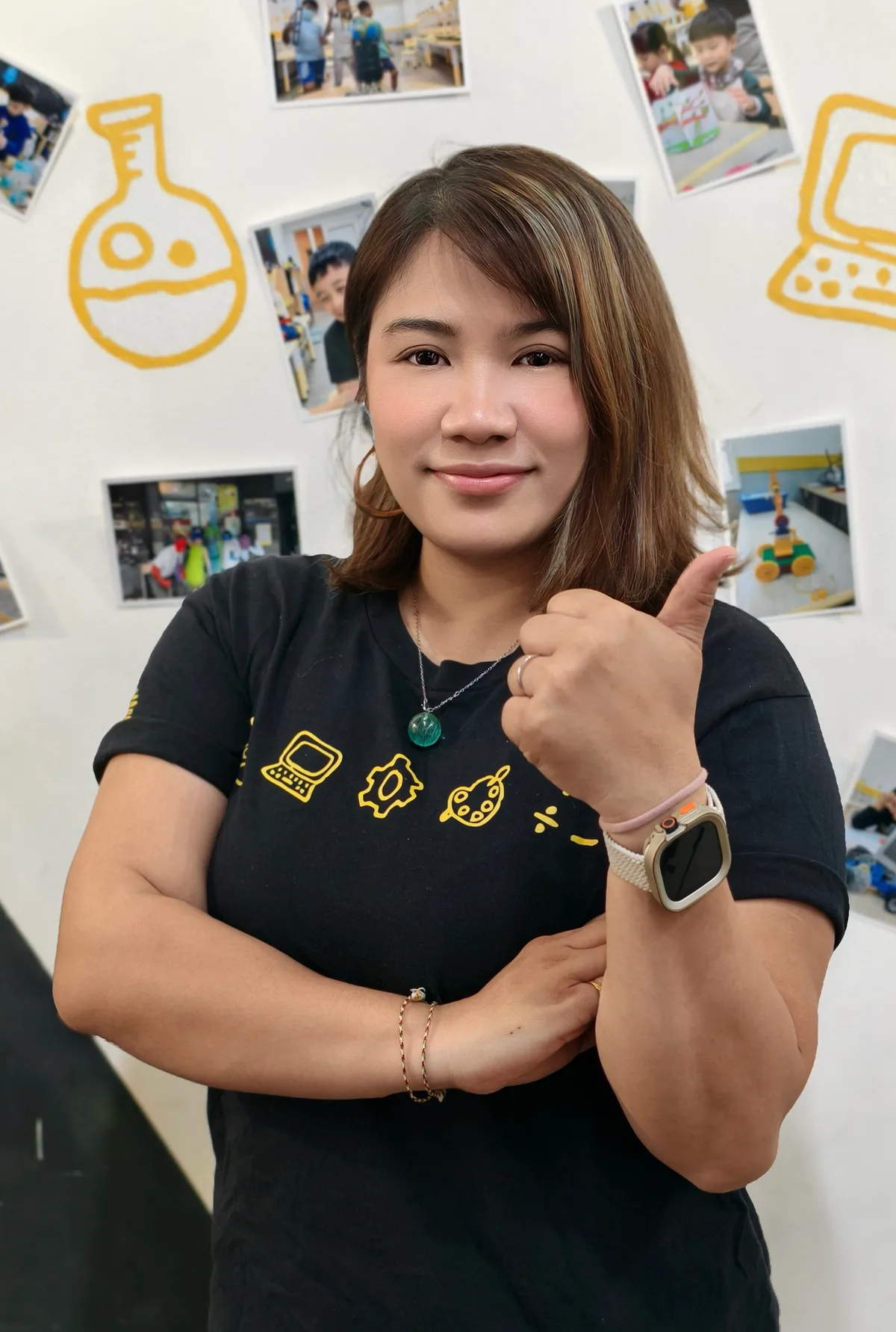
Irene grew up in Hualien as a member of the Amis community, surrounded by mountains, coastlines, rivers, and the rhythms of the land. For her, Hualien is not only a beautiful destination. It is home, memory, culture, and a living classroom.
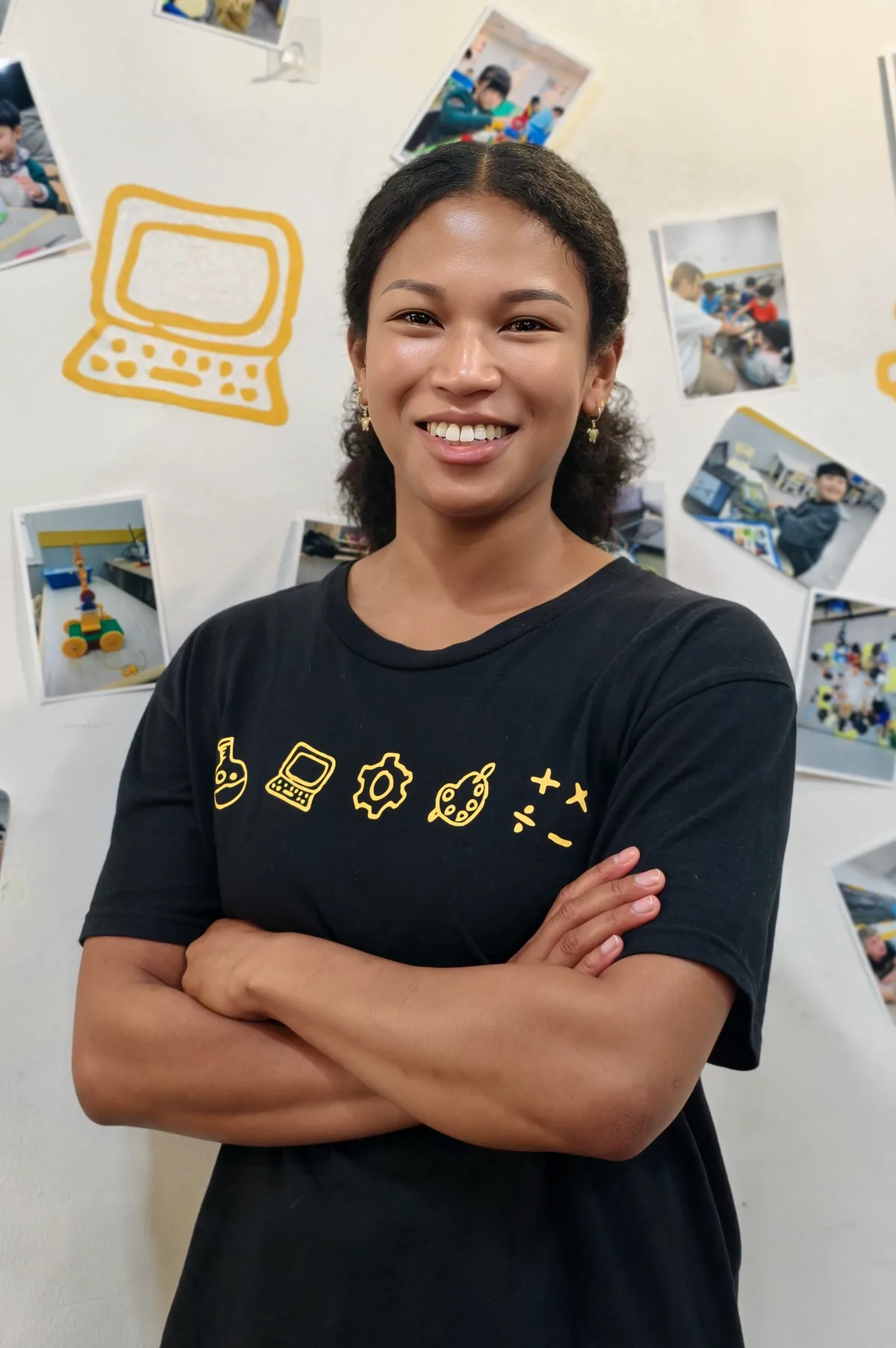
Rianne is the newest member of the STEAM SQUAD team, bringing an international perspective from the Netherlands and a calm, thoughtful approach to student learning. She supports students in building confidence, communication skills, and the courage to participate.
BEFORE THE NEXT CHAPTER
No. Breakout is currently closed and inactive. Registration and payments are not open. We’ll break out again in Summer 2027.
The programme below is the original 2026 plan, kept here to show the spirit of Breakout. Dates, ages, activities, accommodation, staffing and fees for 2027 have not been announced.
Real places become learning challenges. The original programme paired Taipei investigations with a Hualien micro-society: planning meals, managing a team budget, sharing responsibilities, using English and reflecting together with mentors.
Take a look at Expedition 27, our Greater Taipei winter camp. It combines hands-on STEAM investigations in Beitou with ten missions across the city and its landscapes.
CLOSED FOR NOW. CURIOUS FOREVER.
Registration is closed. Dates and details for our next chapter are coming later.