
Menu
Courses

Ages 4–6 · 90-minute lessons

First Steps: Big ideas, little hands at work.

Build bridges, explore sound and make things work. Thirty connected lessons turn “why?” into something children can test and explain.

Take a look inside our books ↓
Books, materials and hands-on investigationsA maximum of 10 young scientists
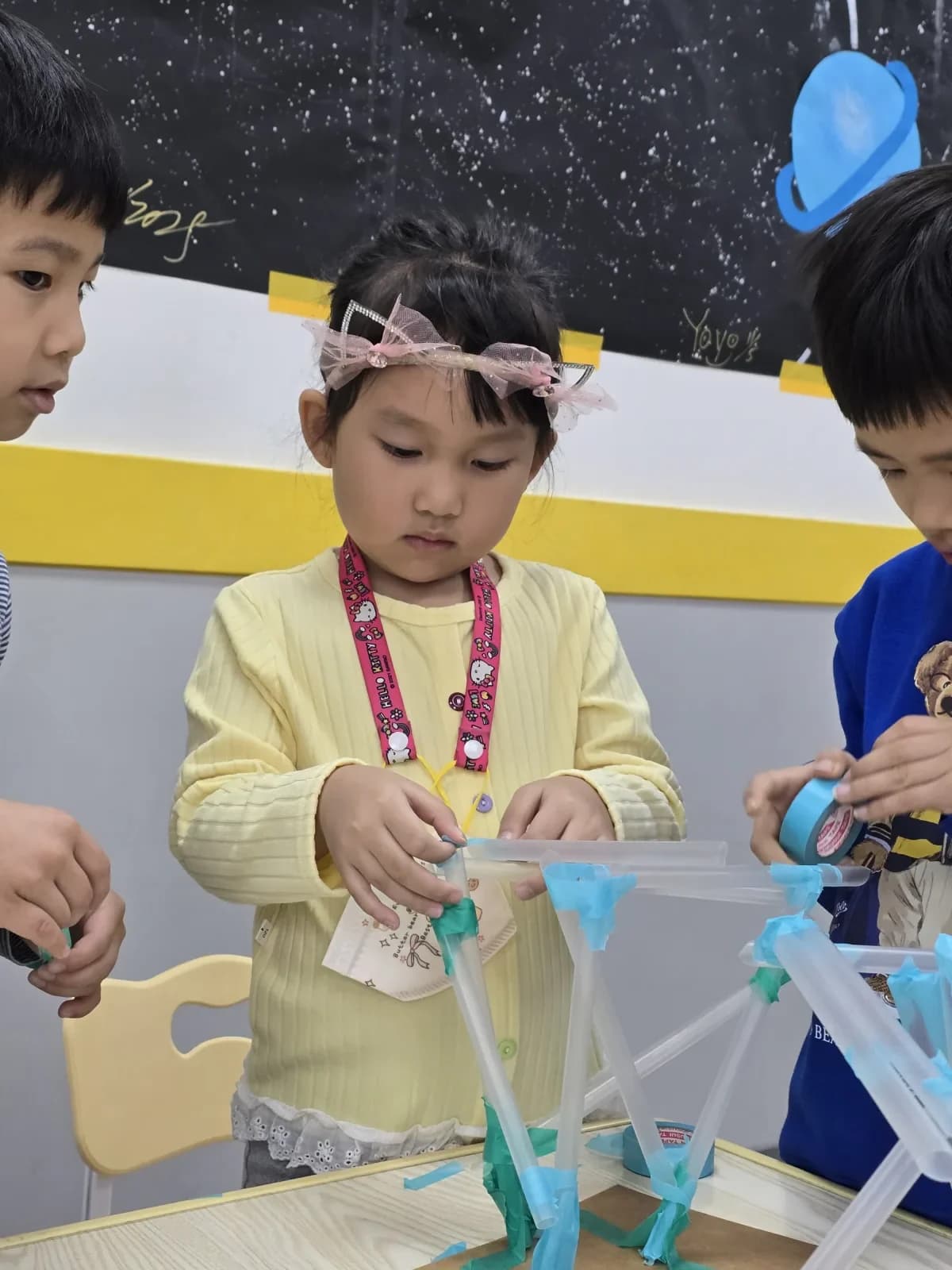
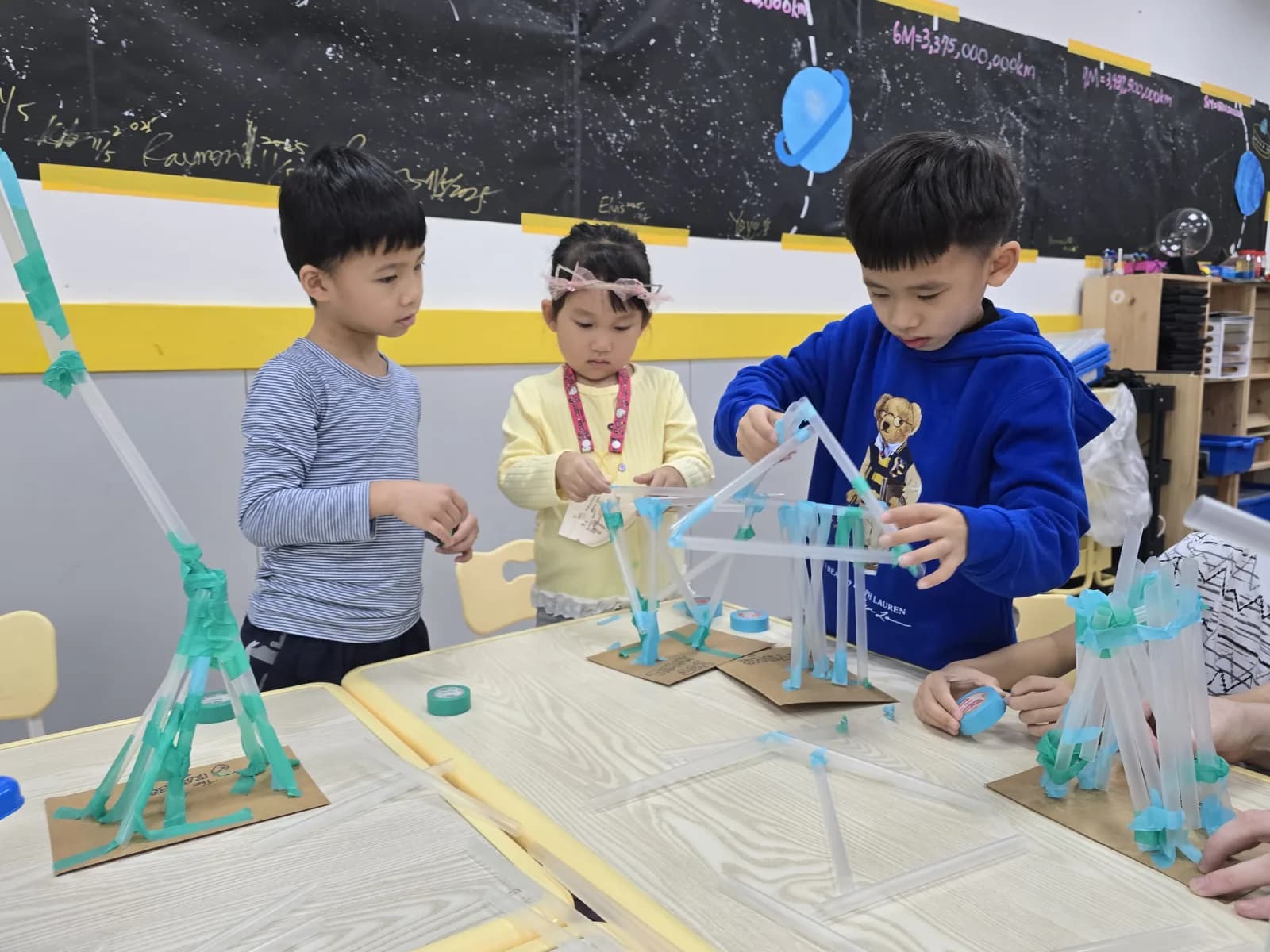
First Steps students engineering tall structures together
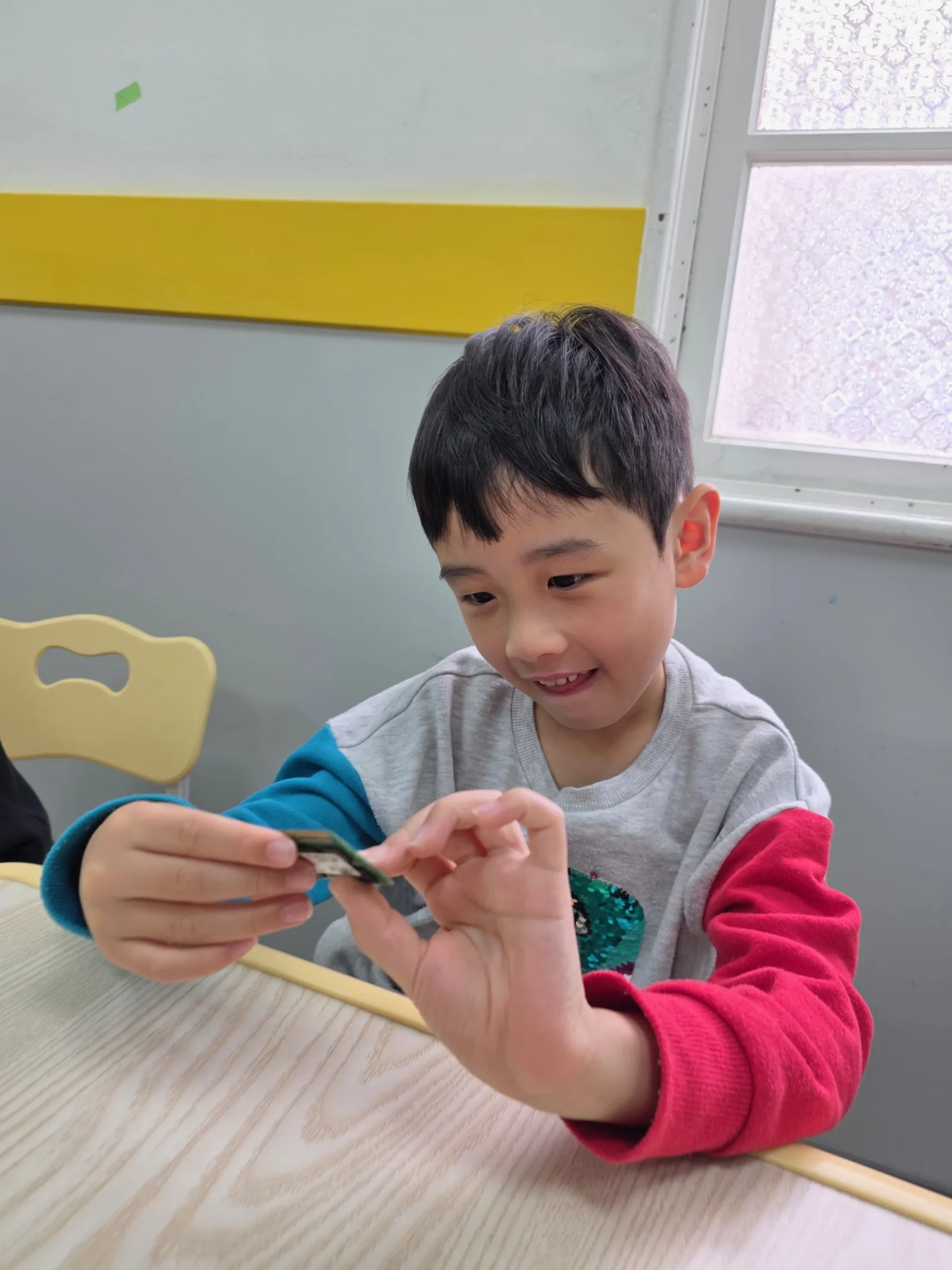
A smiling student examining a circuit board
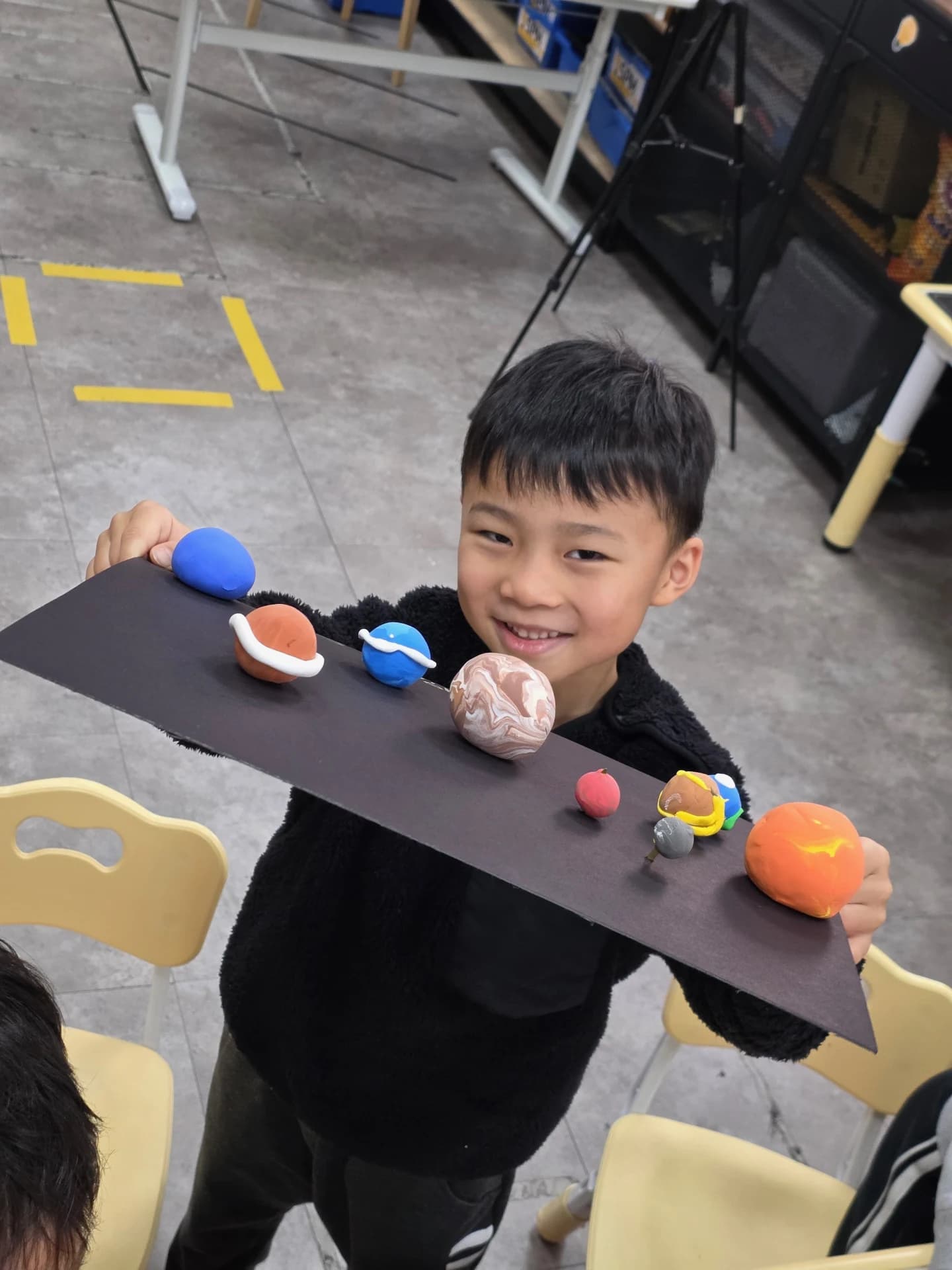
A First Steps student presenting a handmade solar system
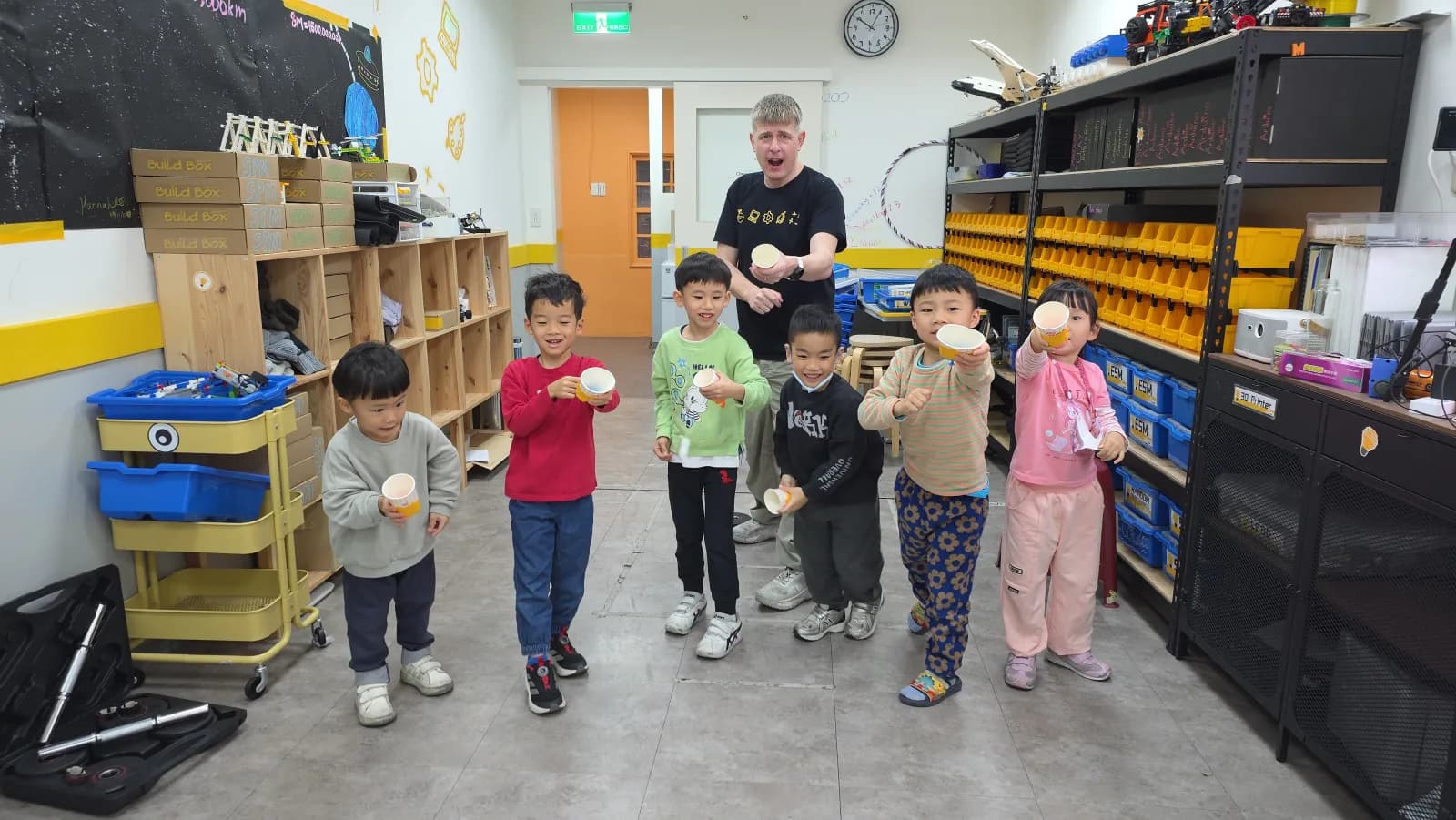
First Steps students and their teacher holding paper cups during a sound experiment
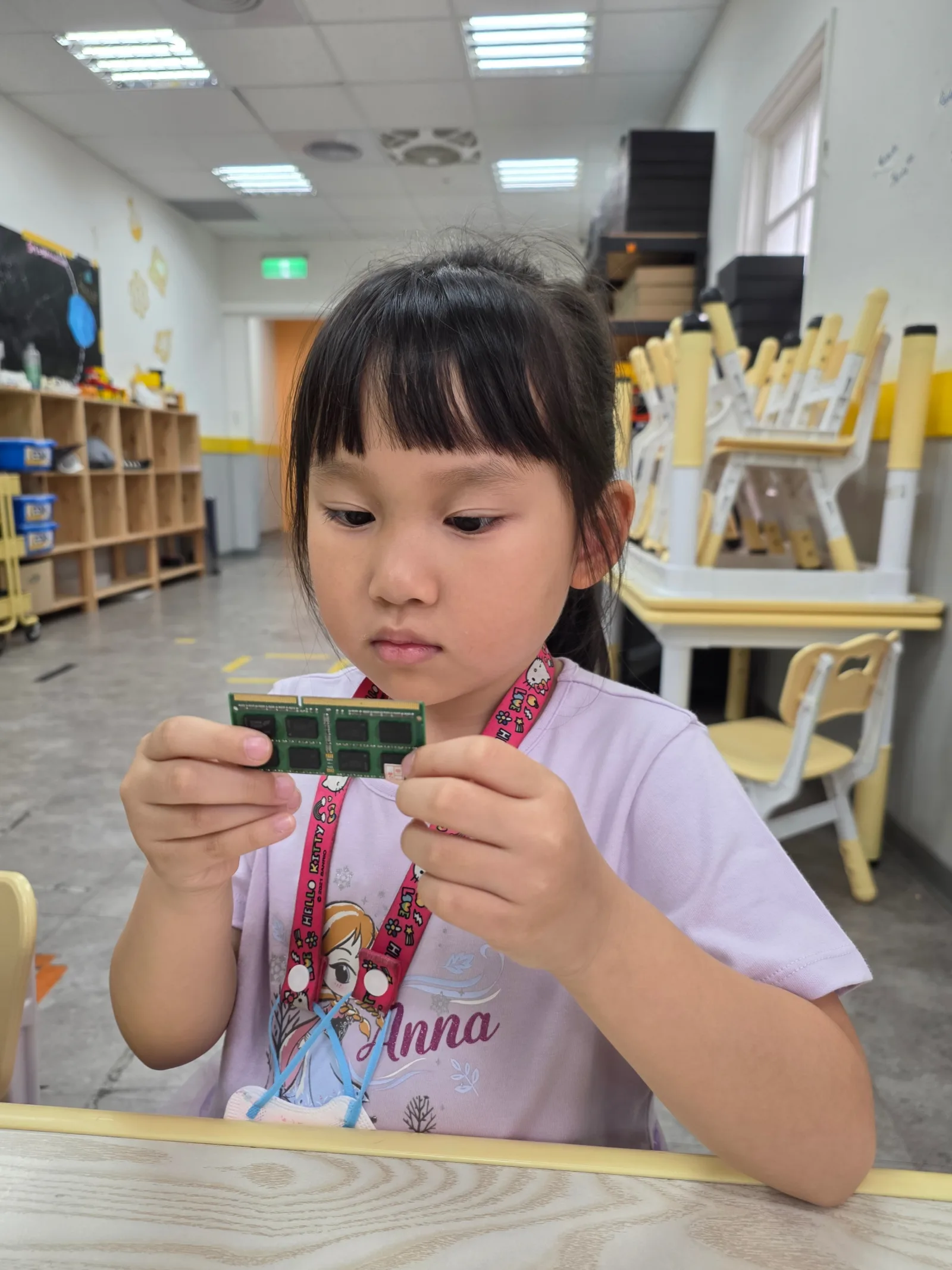
A First Steps student closely examining a computer memory module
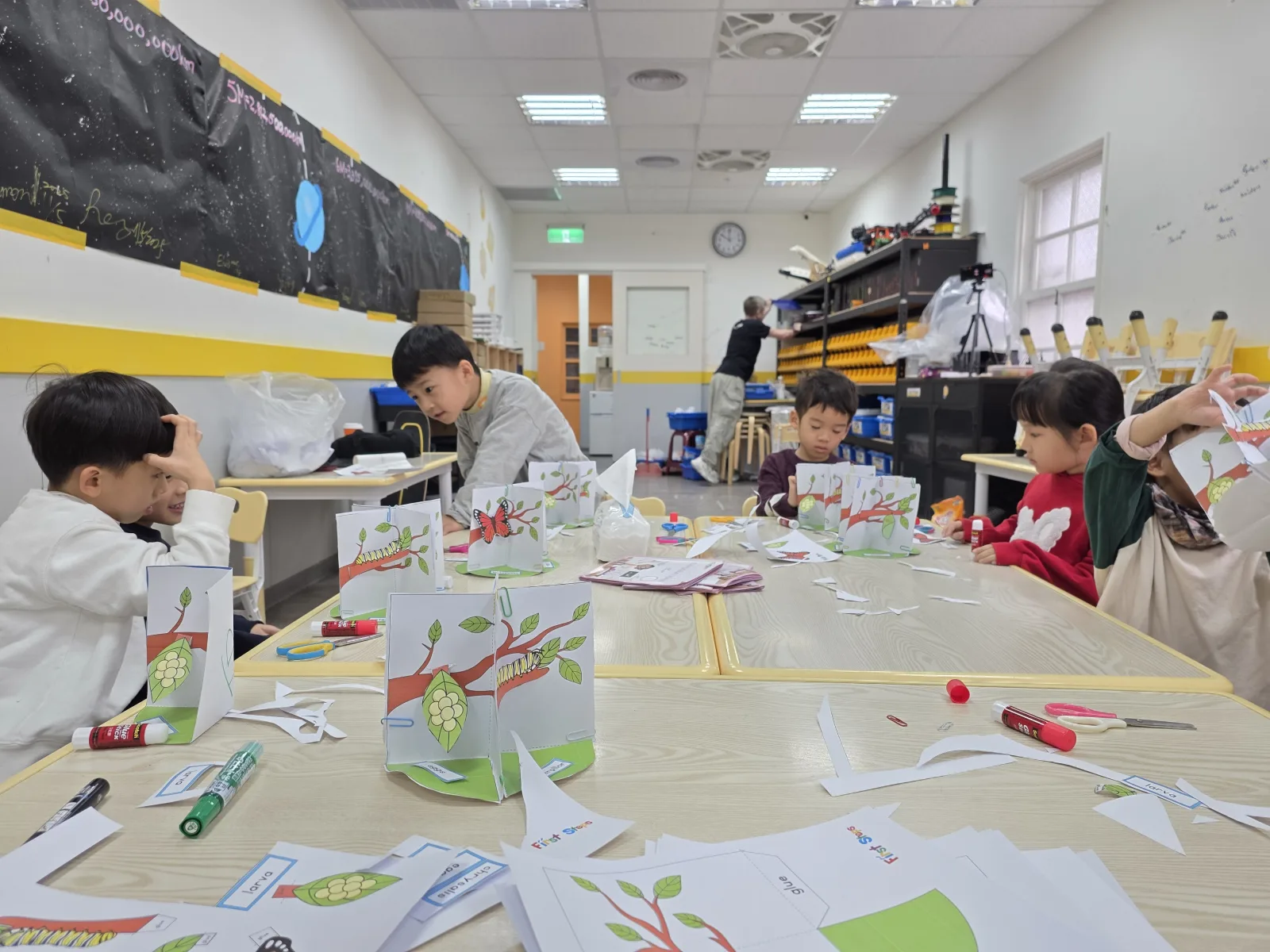
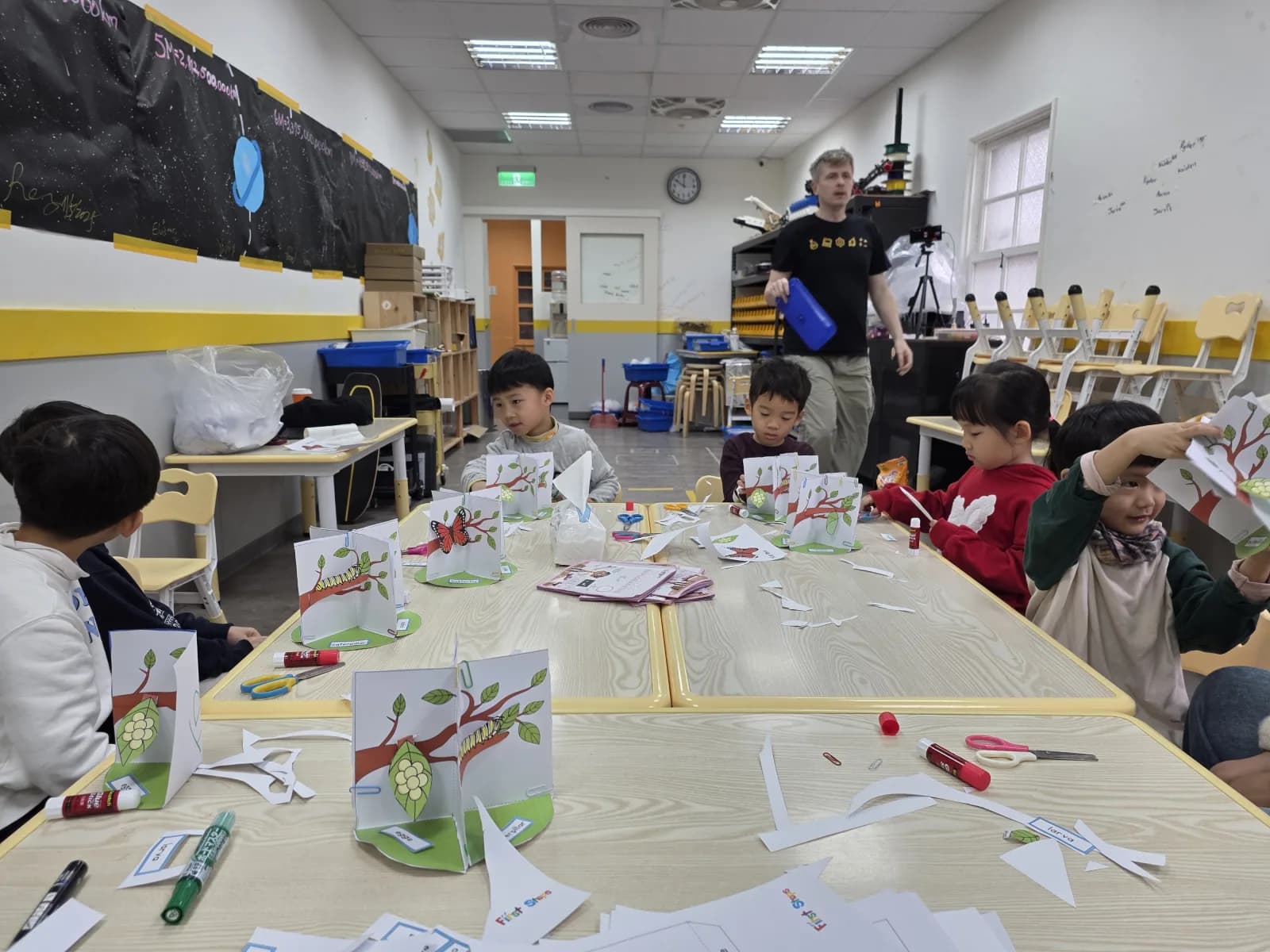
Children assembling butterfly life-cycle paper models in First Steps

First Steps classroom archive · 2025–26

Currently scheduled

Saturday 09:00–10:30

Starts 17 October 2026.

10 students maximum

This is the time for the group scheduled now. We may open new groups, so if this time does not suit your family, please still get in touch.

Ask about this course
10discovery worlds
30hands-on lessons
90minutes per lesson
10students maximum

Where STEAM SQUAD began

Time to wonder. Room to try.

First Steps was the first course STEAM SQUAD ever taught. Children explore big ideas through small, concrete actions: pull a string tight to hear a cup phone, change a tower to help it stand, or show how a model moves.

Small discoveries deserve real attention.

Built in our own classroom · refined across ten discovery worlds
A joyful First Steps sound experiment with paper cups
Life-cycle models covering a First Steps classroom table
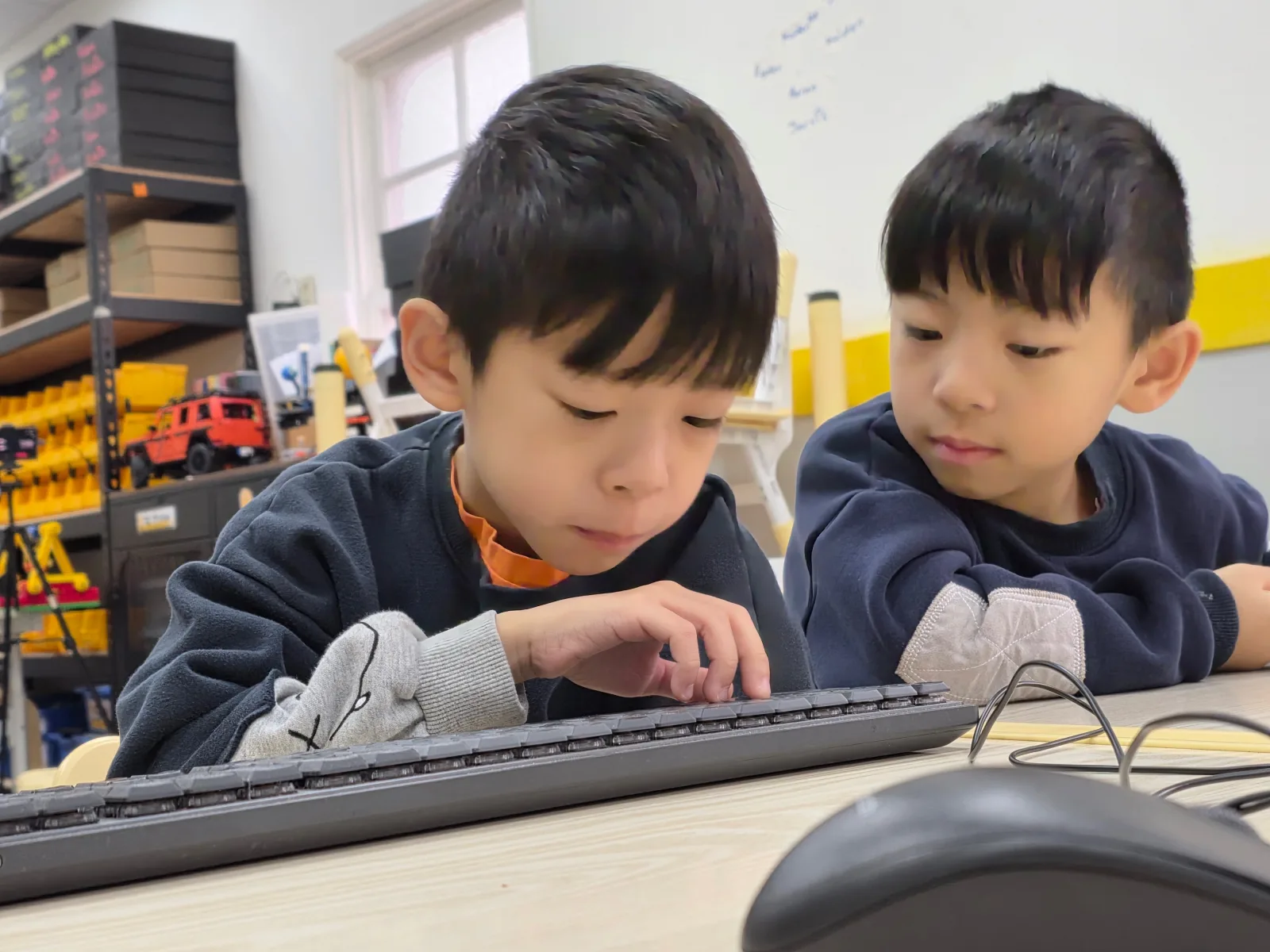
Two children exploring a keyboard together
Seen in a real First Steps classroom · 2025–26
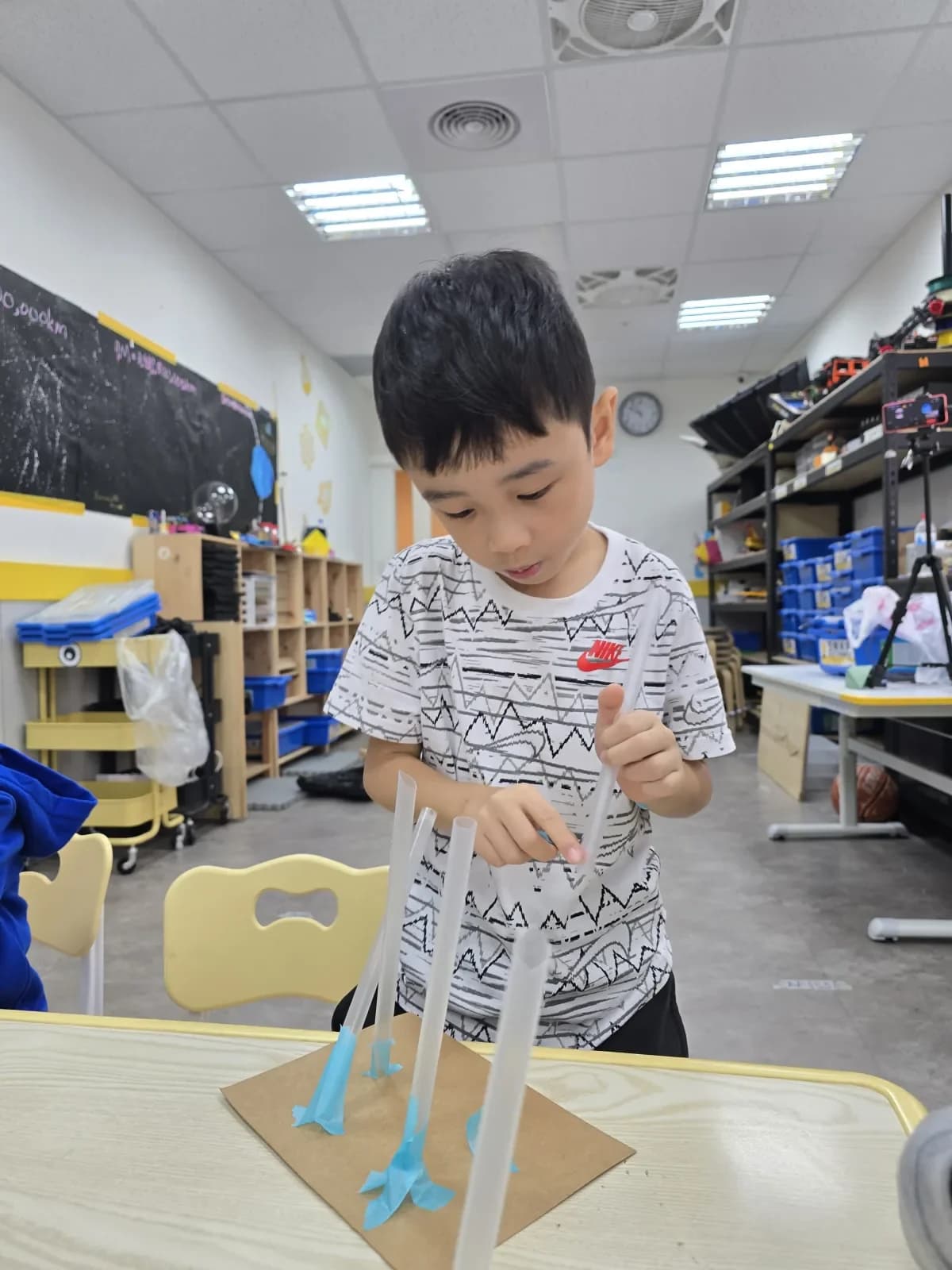
A First Steps student carefully building a tall structure
Children creating life-cycle pop-up models in a First Steps class
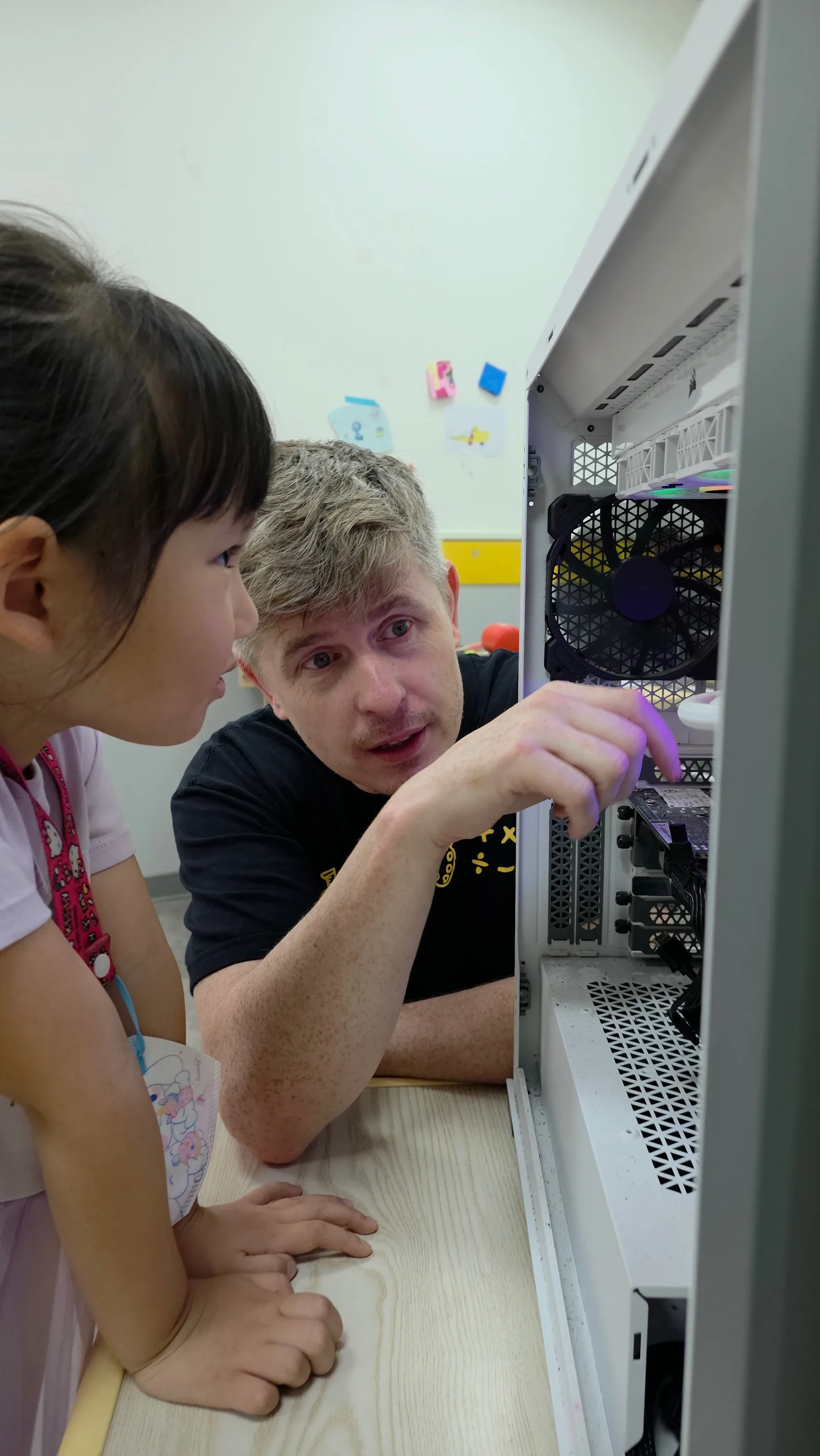
A teacher and student looking inside a working desktop computer
A young student closely inspecting a computer memory module
Three children joining tubes and tape during an engineering challenge
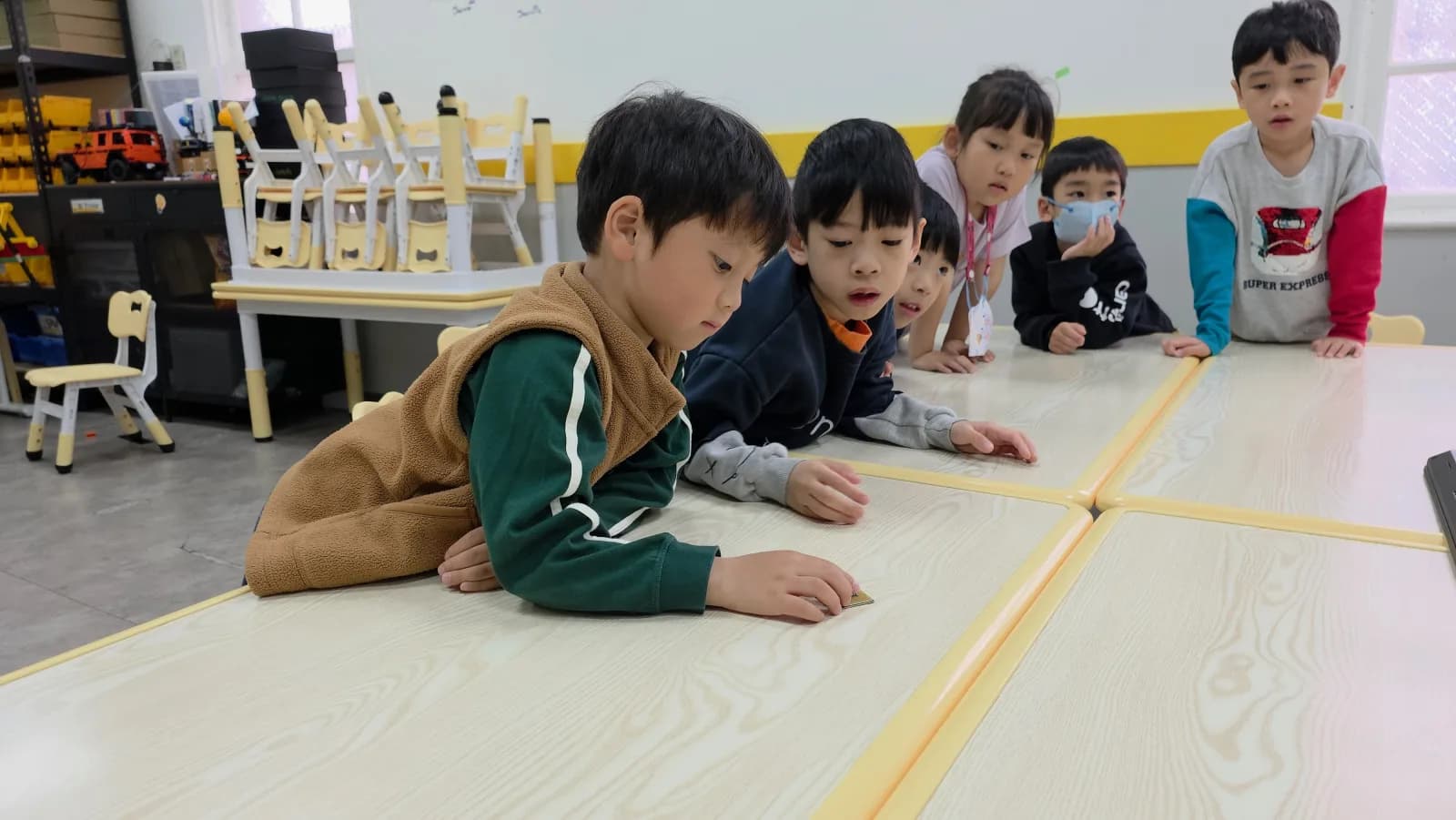
A First Steps group gathering around a tiny computer component
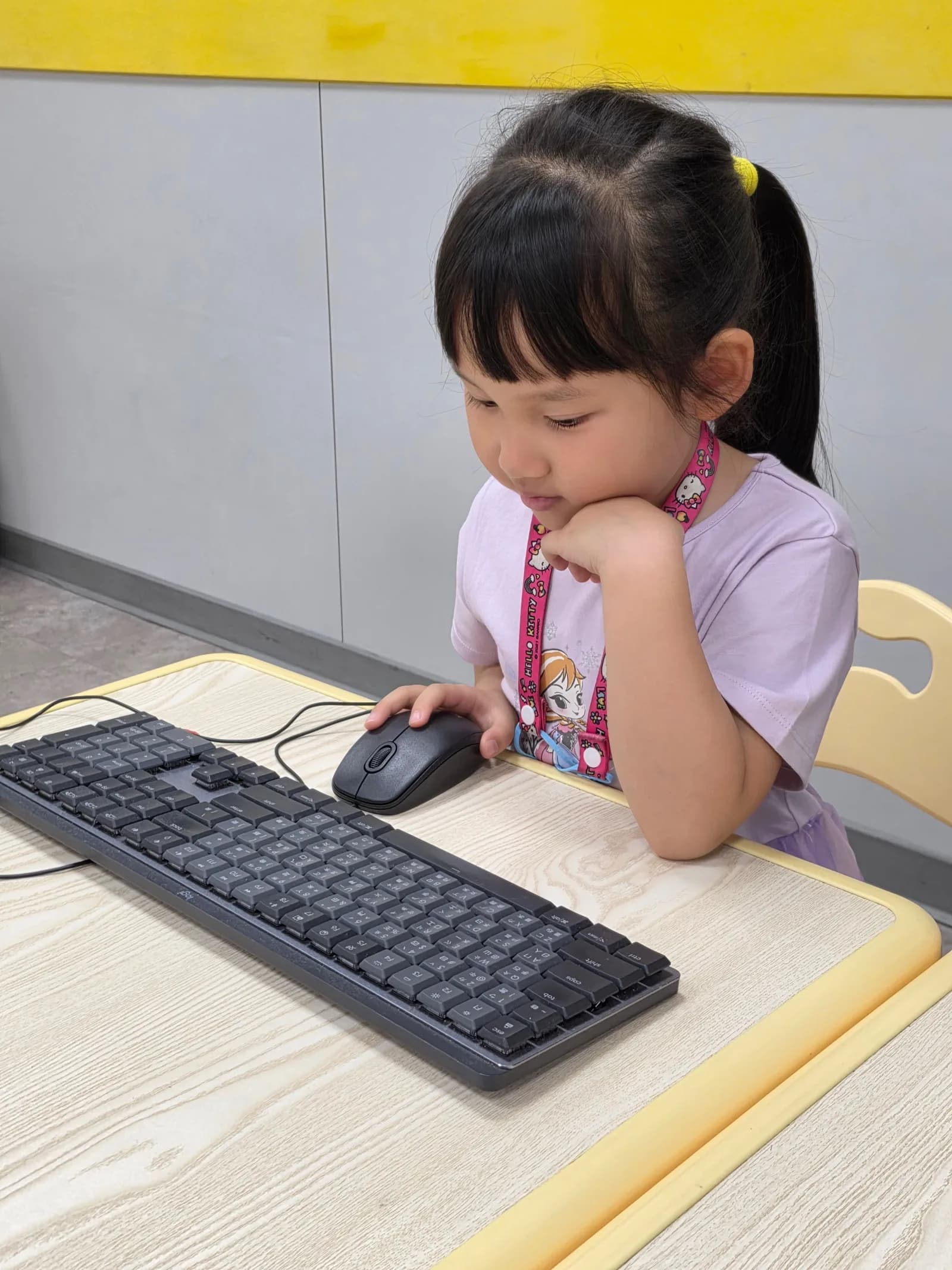
A student learning how a mouse and keyboard control a computer
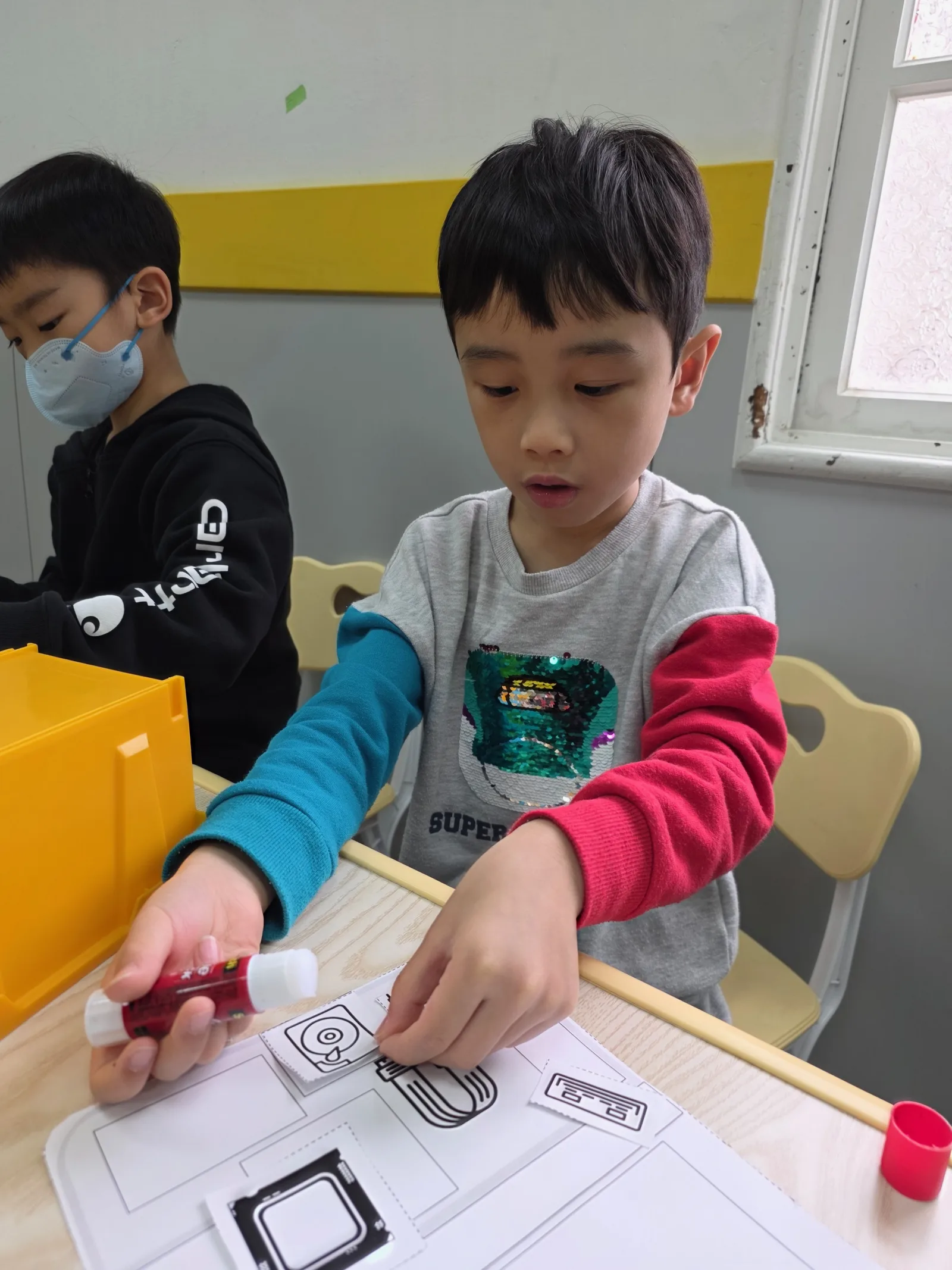
A child turning computer knowledge into a paper model

Why it works

Real science, within reach.

Every new word has a job. Every question has a material. Every child has time to notice, predict, make and try again.

  1. 01

    Curiosity leads

    A strange sound, a floating orange or a moving shadow becomes a reason to look closer.

  2. 02

    Hands make it stick

    Children fold, connect, balance, pour, code and test until the idea becomes visible.

  3. 03

    English has a purpose

    Compare, stronger, through, around—language arrives naturally while solving a real problem.

Made for little investigators

A book to open. A question to chase.

These are our own First Steps books, written around the things children actually investigate. Picture-led pages introduce an idea; a real experiment gives it meaning; simple English helps a child share what happened.
  1. Look and wonderFollow the life-cycle pictures. What comes after the caterpillar?
  2. Try it togetherMake a butterfly life-cycle model. Put the stages in order.
  3. Find the wordsPoint to the eggs, caterpillar, pupa and butterfly as you explain the cycle.
Scientific Explorations · Unit 4 · actual book pages 15–16
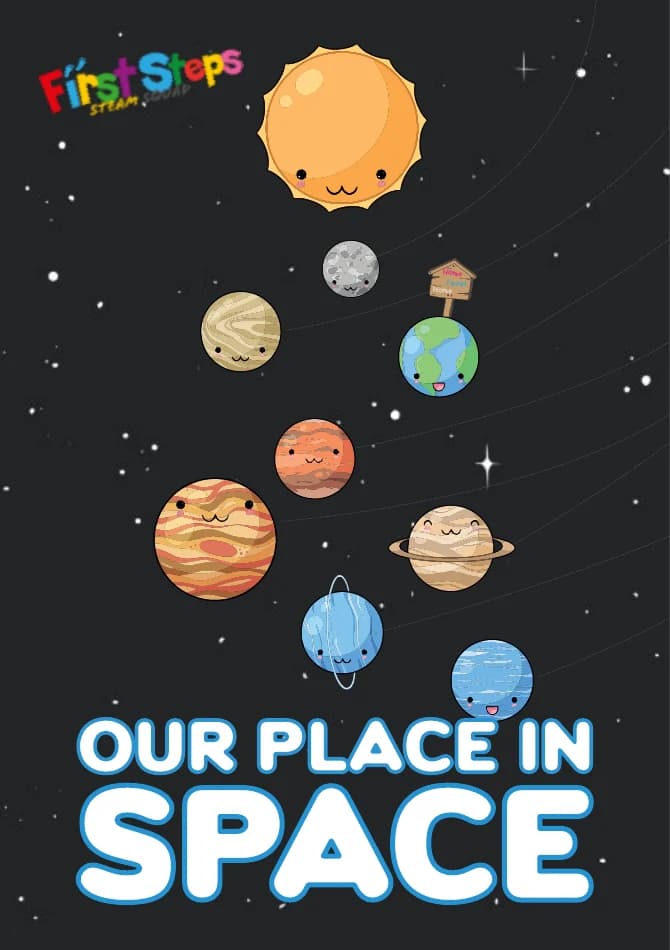
Our Place in Space — actual First Steps Unit 5 student book
A student proudly presenting a handmade solar-system model
Made and explained by a First Steps student · 2026

One idea · Three connected lessons

Build a solar system. Tell its story.

The space unit moves from Earth and Sun, to Earth and Moon, and finally to a complete solar-system model. Each lesson adds one relationship to a picture a young child can hold and explain.

  1. 01

    Notice

    Meet Earth, Sun and Moon through stories, movement and scale.

  2. 02

    Model

    Build the orbits and discover how one system moves inside another.

  3. 03

    Explain

    Create a solar system, put the planets in order and proudly share it.

The complete field journal

Ten worlds. Three connected lessons in every one.

Each of our ten student books guides three connected lessons. Browse the real covers and see what children investigate, build and explain in each unit.
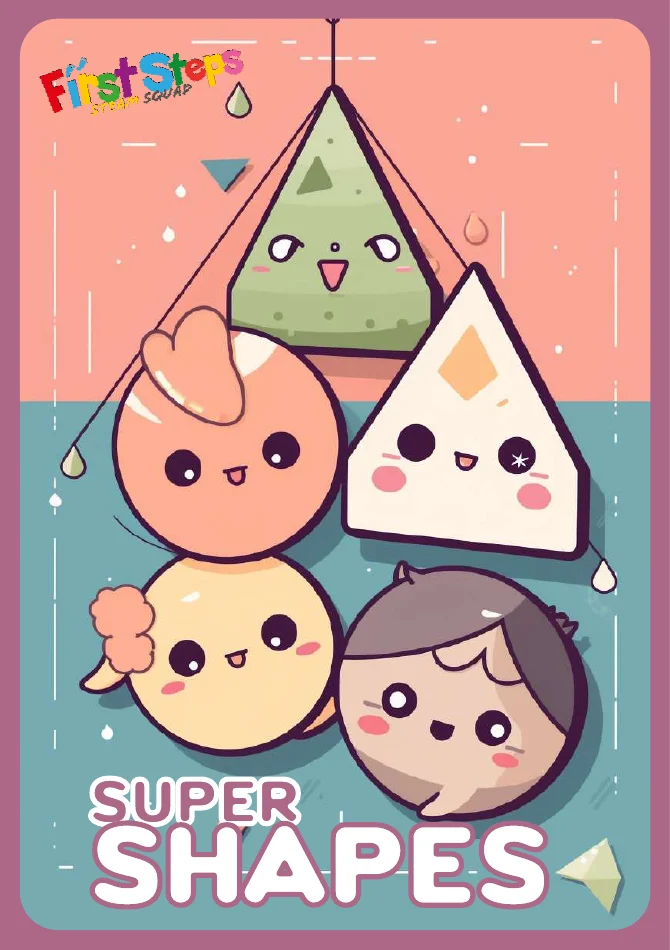
  1. Super Shapes — actual First Steps student book cover
    FS / 013 connected lessons

    Super Shapes

    Shapes are everywhere!

    • 1Shape collage
    • 2Tall tower
    • 33D monster
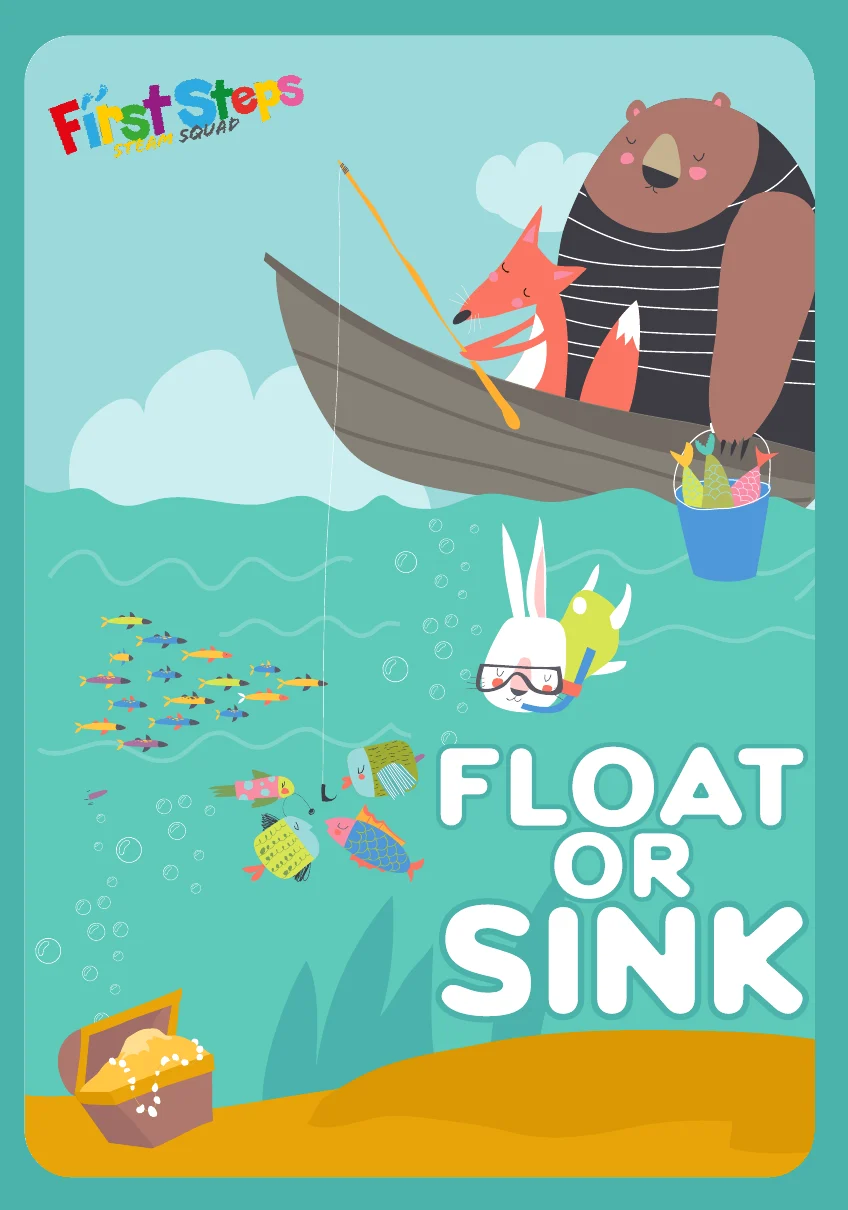
  2. Float or Sink — actual First Steps student book cover
    FS / 023 connected lessons

    Float or Sink

    Predict. Test. Splash!

    • 1Buoyancy test
    • 2Density tower
    • 3Build a boat
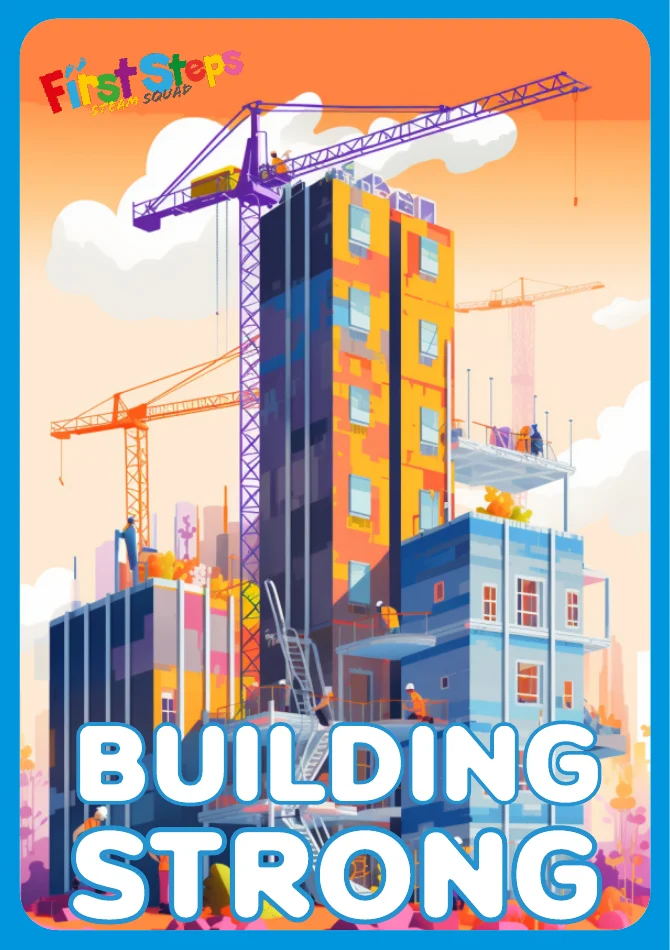
  3. Building Strong — actual First Steps student book cover
    FS / 033 connected lessons

    Building Strong

    Can it hold?

    • 1LEGO bridge
    • 2Straw tower
    • 3Egg drop
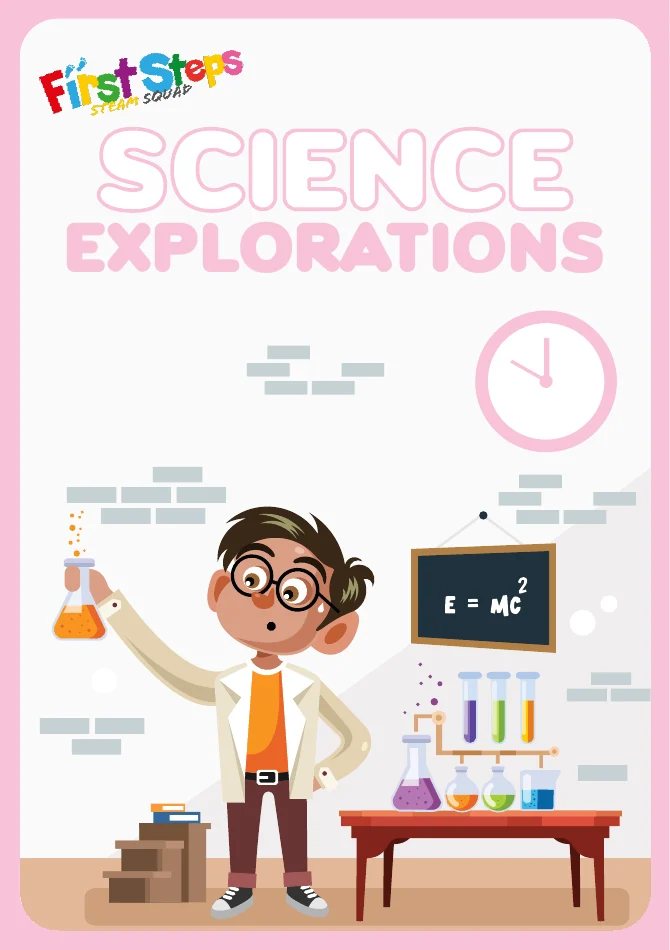
  4. Scientific Explorations — actual First Steps student book cover
    FS / 043 connected lessons

    Scientific Explorations

    What happens if…?

    • 1Catapult physics
    • 2Life cycles
    • 3Chemistry in action
  5. Our Place in Space — actual First Steps student book cover
    FS / 053 connected lessons

    Our Place in Space

    You are here.

    • 1Earth + Sun
    • 2Earth + Moon
    • 3Solar system
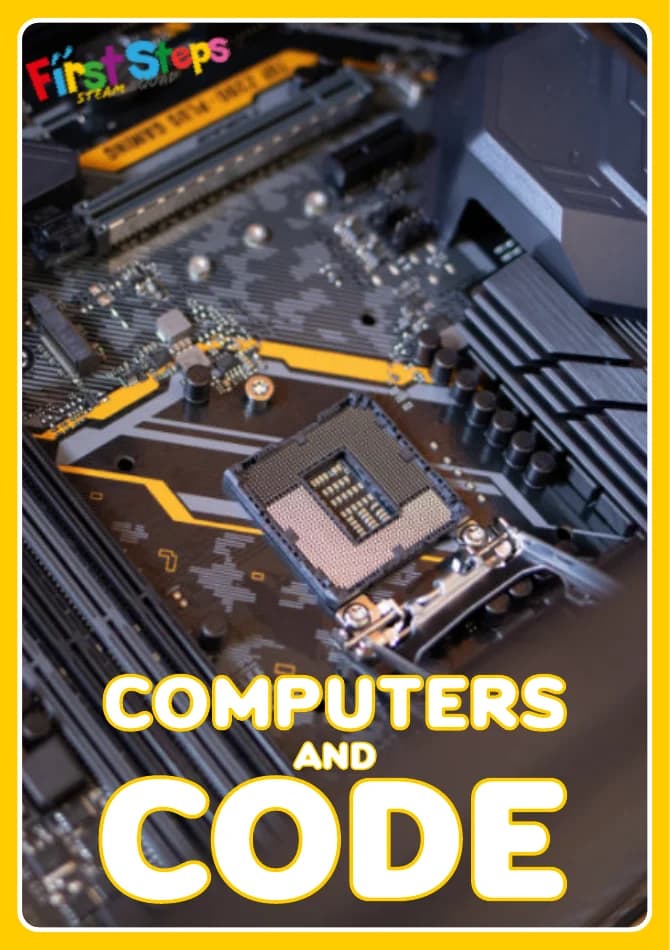
  6. Computers and Code — actual First Steps student book cover
    FS / 063 connected lessons

    Computers and Code

    Tell it what to do.

    • 1Computer systems
    • 2ScratchJr
    • 3Caesar cipher
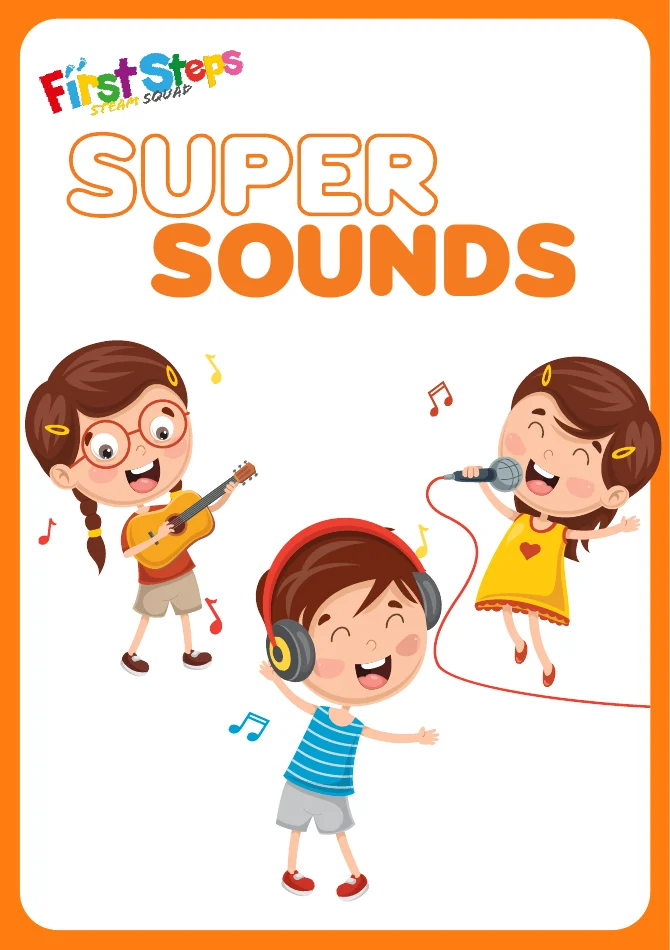
  7. Super Sounds — actual First Steps student book cover
    FS / 073 connected lessons

    Super Sounds

    Can you hear it?

    • 1Cup phone
    • 2Dancing sugar
    • 3Makey Makey piano
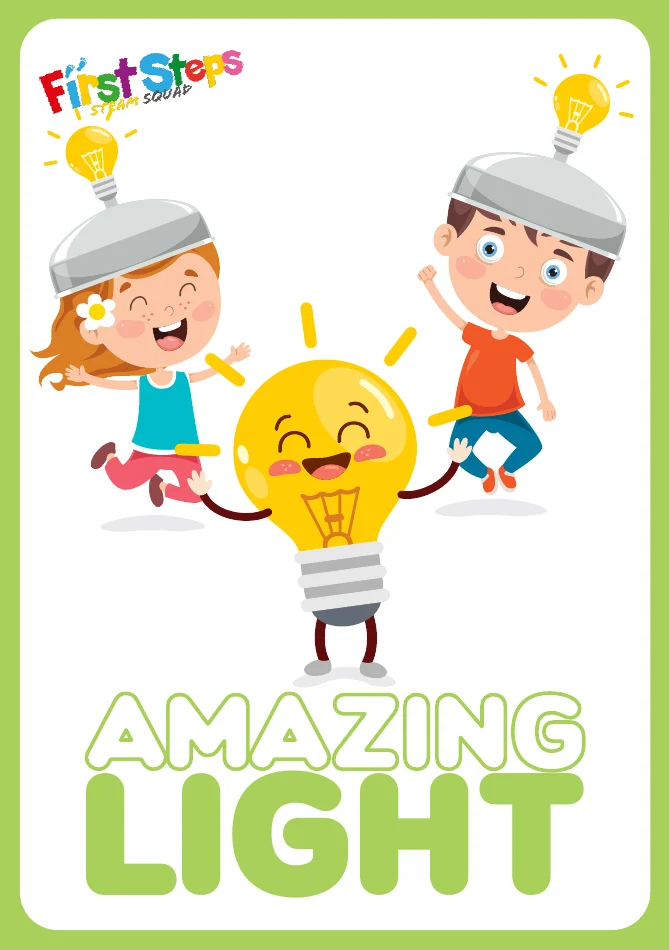
  8. Amazing Light — actual First Steps student book cover
    FS / 083 connected lessons

    Amazing Light

    Catch the light.

    • 1Shadow puppets
    • 2Make a rainbow
    • 3Material detectives
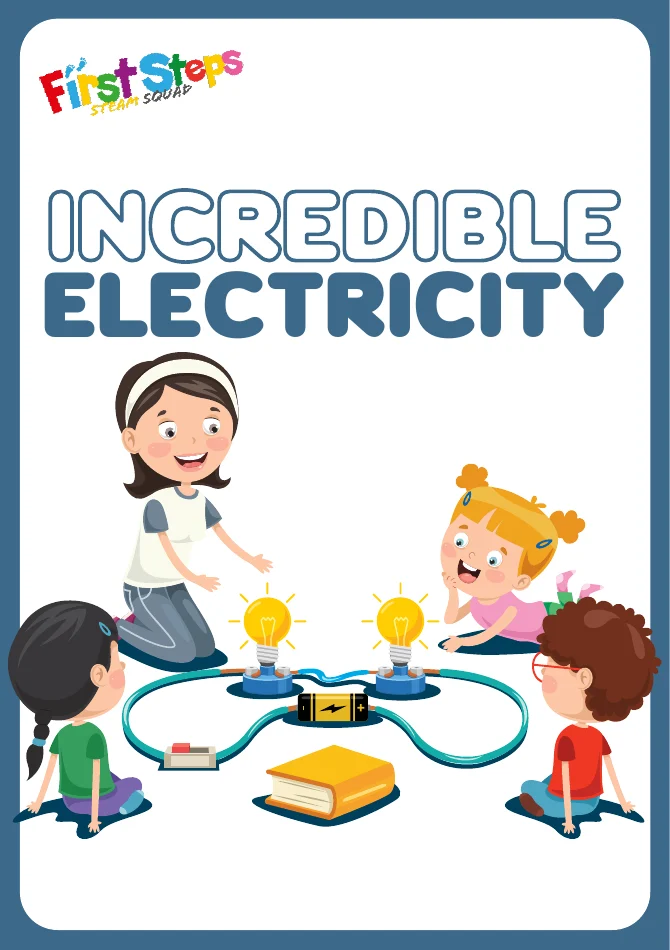
  9. Electricity — actual First Steps student book cover
    FS / 093 connected lessons

    Electricity

    Make it light up!

    • 1Complete a circuit
    • 2Wind energy
    • 3Solar energy
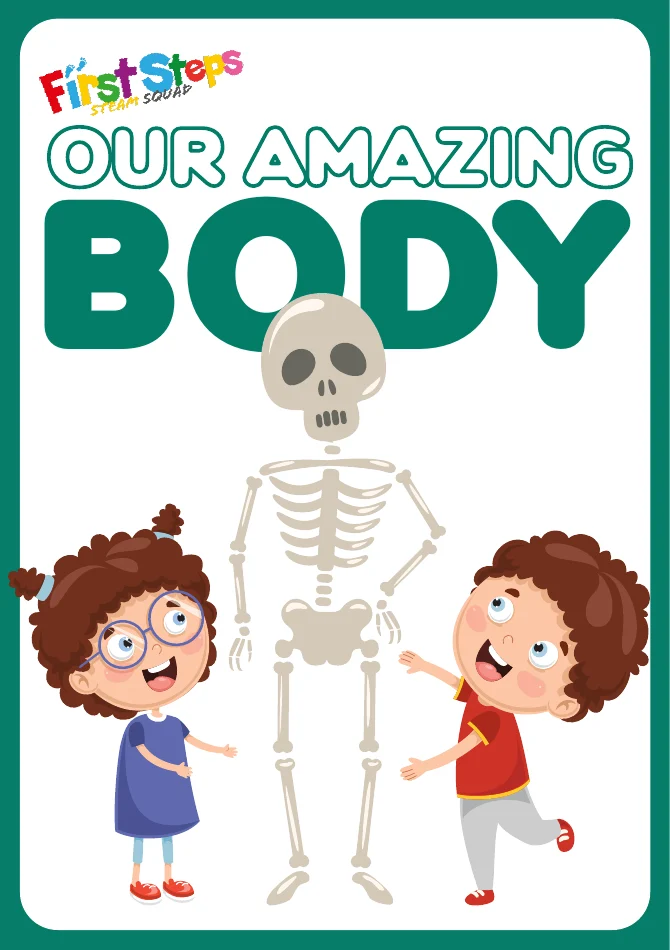
  10. The Human Body — actual First Steps student book cover
    FS / 103 connected lessons

    The Human Body

    Inside amazing you.

    • 1Skeleton
    • 2Working lungs
    • 3The brain

The habit underneath every lesson

From “What is that?” to “Let me test my idea.”

A small experiment gives children a reason to look closely, try an idea and find words for what happened. Teachers guide the questions while children investigate, compare and try again.

Try an idea / Float or Sink
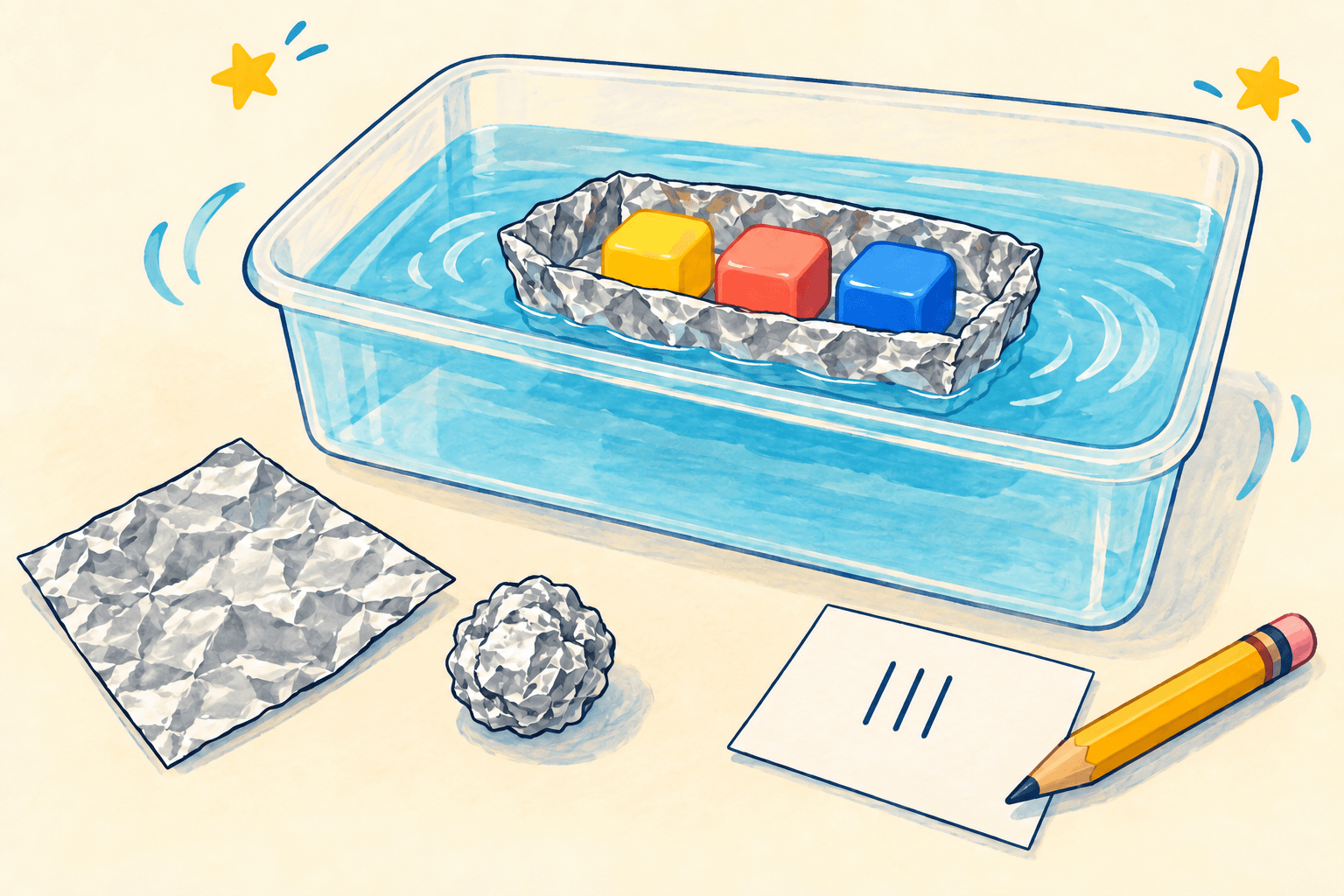
A little boat.An idea they can test.

Illustration of a foil boat carrying three large counters in a shallow water tub, with a foil sheet and foil ball beside it
Illustrated example from the Build a Boat investigation
  1. 01

    Notice

    “What’s different about these shapes?”

    Compare the same amount of foil shaped into a ball and a wide bowl. Look closely before testing.

  2. 02

    Predict

    “How many can your boat carry?”

    Plan and make a foil boat. Predict how many large counters it will hold before trying it in the water.

  3. 03

    Test

    “What happens if we add one more?”

    Add identical counters one at a time. Count and record the last successful load.

  4. 04

    Make it better

    “What could we change?”

    Change one feature of the boat, then repeat the same test. Compare the two results.

  5. 05

    Explain

    “What changed? Show me.”

    Point to the change and use English to share the evidence: ‘I changed…’ and ‘I noticed…’

A note for parents

A gentle start. Serious foundations.

First Steps brings stories, building, experiments and conversation into a small class. A teacher helps children turn their questions into something they can try.
  • They ask why, take things apart or notice tiny details.
  • They enjoy stories, building, experiments or imaginative play.
  • They are developing confidence speaking English in a group.
  • They benefit from a small class and an encouraging teacher nearby.
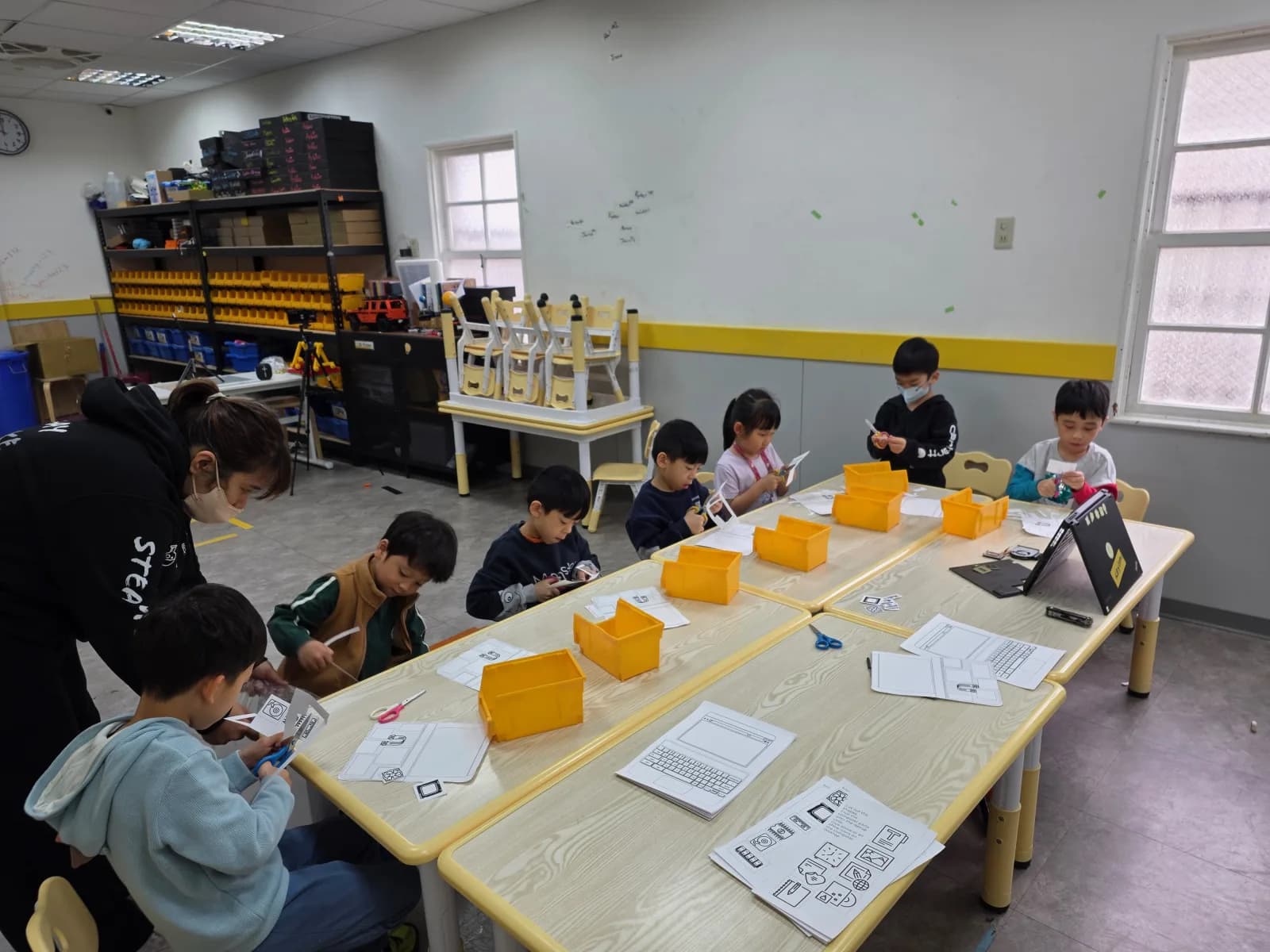
A full First Steps workshop making paper computer models
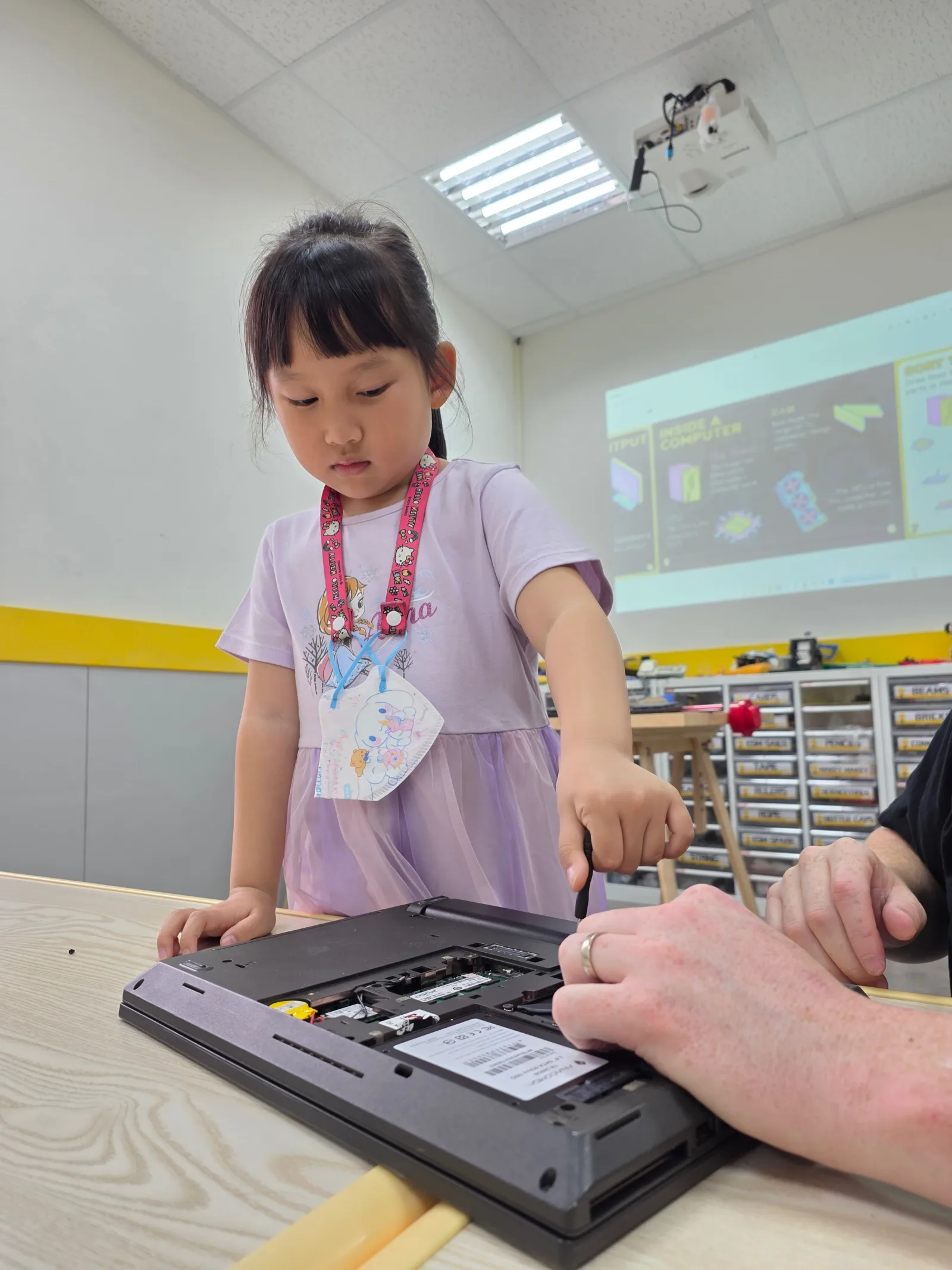
A student independently exploring the inside of a laptop

Meet your First Steps teachers

Curiosity grows with the right people nearby.

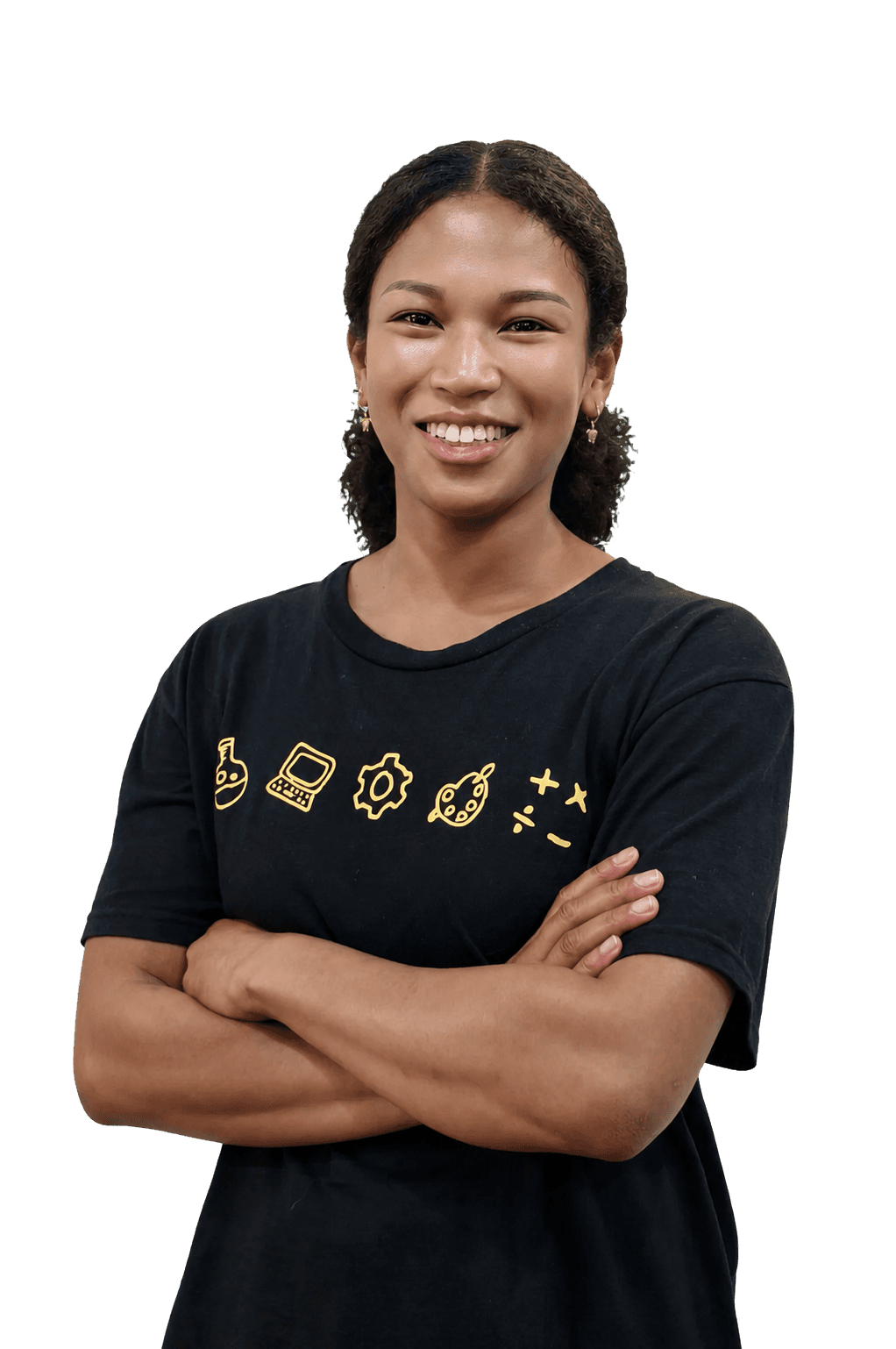
Paul and Rianne help young learners turn a question into something they can touch, test and talk about.

With Teacher Paul & Teacher Rianne
Teacher Paul

First Steps teacher

Teacher Paul

Turns big science questions into clear, practical first experiments.
Teacher Rianne

First Steps teacher

Teacher Rianne

Creates a calm, encouraging space for every child to notice and contribute.
Get to know the teaching team

Their first project starts here

Give their curiosity somewhere brilliant to go.

A friendly trial lets your child meet the room, the teacher and the First Steps way of learning before you decide.Start with a friendly trial class