
Menu
Courses

Ages 8–9 · Grades 2–4 · Powered engineering

PowerTorqueControl

Build Club Two: Build it. Power it. Make it perform.

Build Club Two moves beyond a model that merely works. Children tune powered systems, compare speed, load and stability, then use the evidence to make the whole machine perform better.

Look inside the book + try a 3D build
  • 8 complete SPM Two challenges
  • Motors · gears · belts · pulleys
  • Every redesign begins with evidence
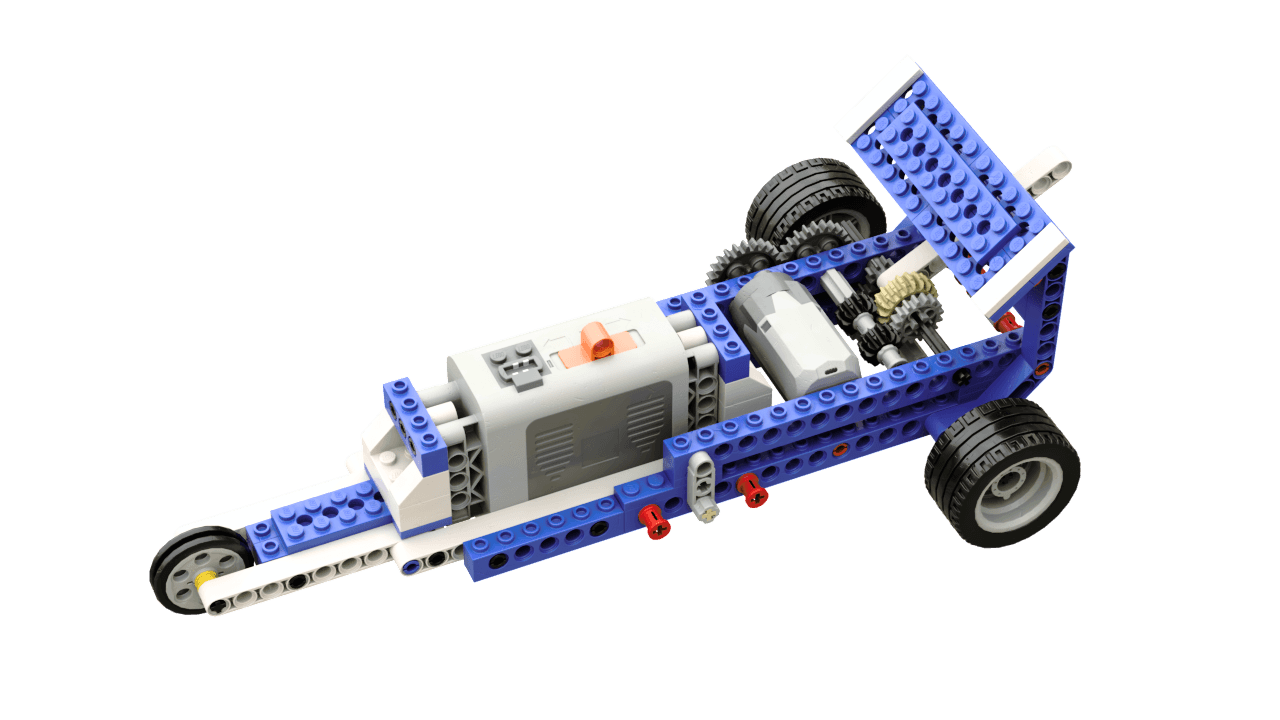
The SPM Two Gear Change Car with its exposed powered gear train
One of eight course buildsGear Change Car

One powered car. Two speed settings. What changes when children test each over 200 cm?

Currently scheduled

Saturday 15:15–16:45

Starts 17 October 2026.

10 students maximum

This is the time for the group scheduled now. We may open new groups, so if this time does not suit your family, please still get in touch.

Ask about this course
08performance missions
32lessons across the course
90minutes per lesson
ENread · test · explain

Inside our SPM Two book

Open the book. Follow the movement.

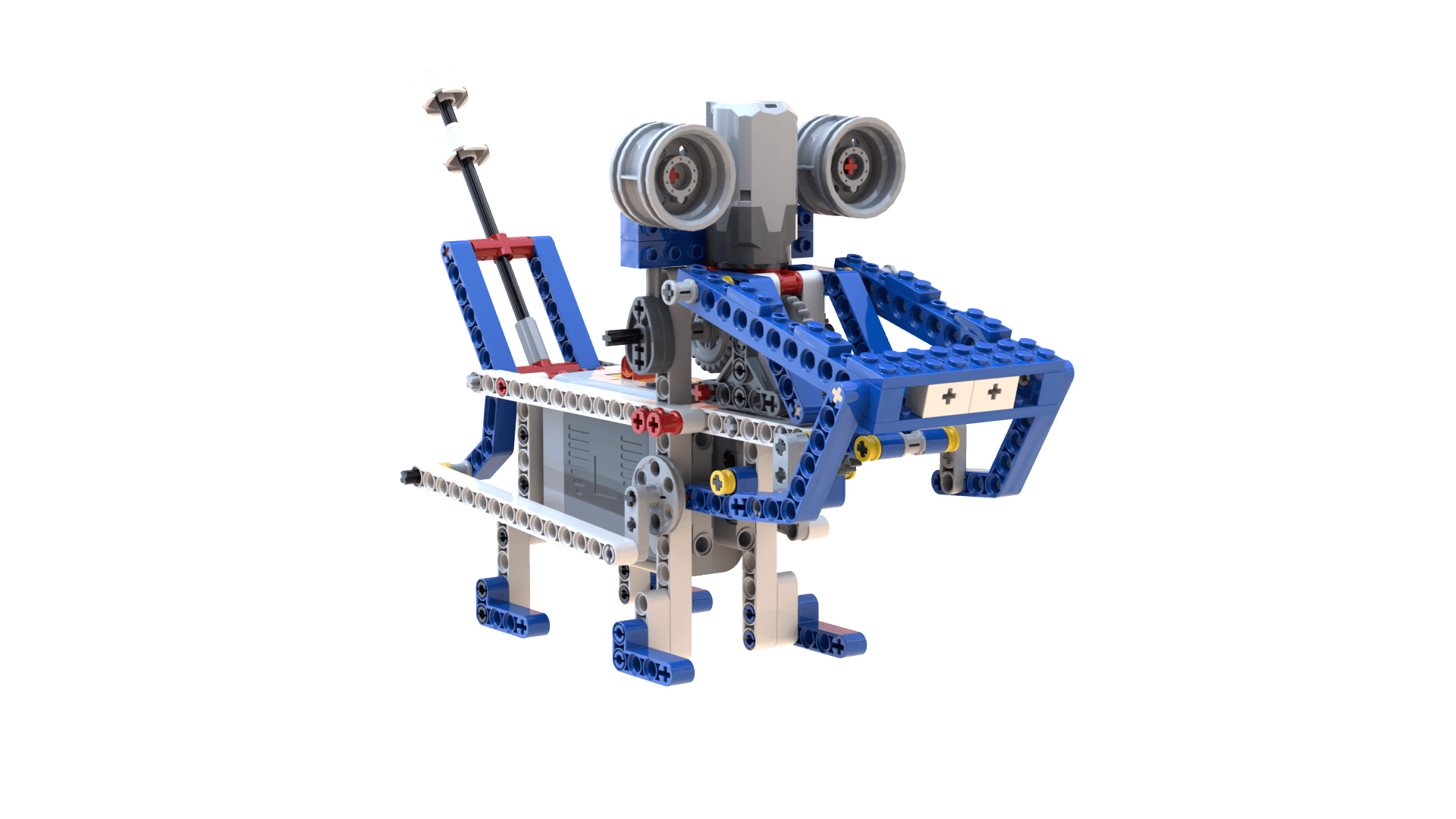
Our books take children inside real machines. This DogBot spread breaks a lively build into three mechanisms they can trace, explain and change.

SPM Two · actual book pages 145–146

DOGBOT / HOW IT WORKS

One motor. Three movements.

Eyes lift. A mouth opens. A tail wags. Children follow the cam, gears and belt to discover how one motor can make three different movements.

Then they build, test and modify the model—using the book’s technical English to explain what changed and why.

BRICKSTEP / 3D

Get inside the mechanism.

Turn Frog Hopper to see how the motor, gears and legs connect. Drag to explore it from any angle, zoom in on a detail, then open BrickStep to follow the building instructions.

Bonus demo model · separate from the eight course projects below
STEAM SQUAD / BrickStepFrog Hopper · 3D
Our blue LEGO Frog Hopper demo model, with its motor, gears and jointed legs

Drag in any direction to turn it. Use + and − to zoom.

Open the building instructions ↗

The performance upgrade

A working machine answers one question. A tested machine opens ten more.

In Build Club Two, the motor is not the finish line. It creates new engineering decisions: should the model trade speed for torque, use more mechanical advantage, carry a larger load or stay more stable? Children learn to answer with a fair test instead of a guess.

Four signals children learn to read

DISTANCE
How far did each Drag Racer setup travel?
TIME
How long did each Gear Change Car setting take over 200 cm?
LOAD
What could the Crane lift with each pulley arrangement?
STABILITY
Which Walking Bug leg setting crossed the obstacles reliably?
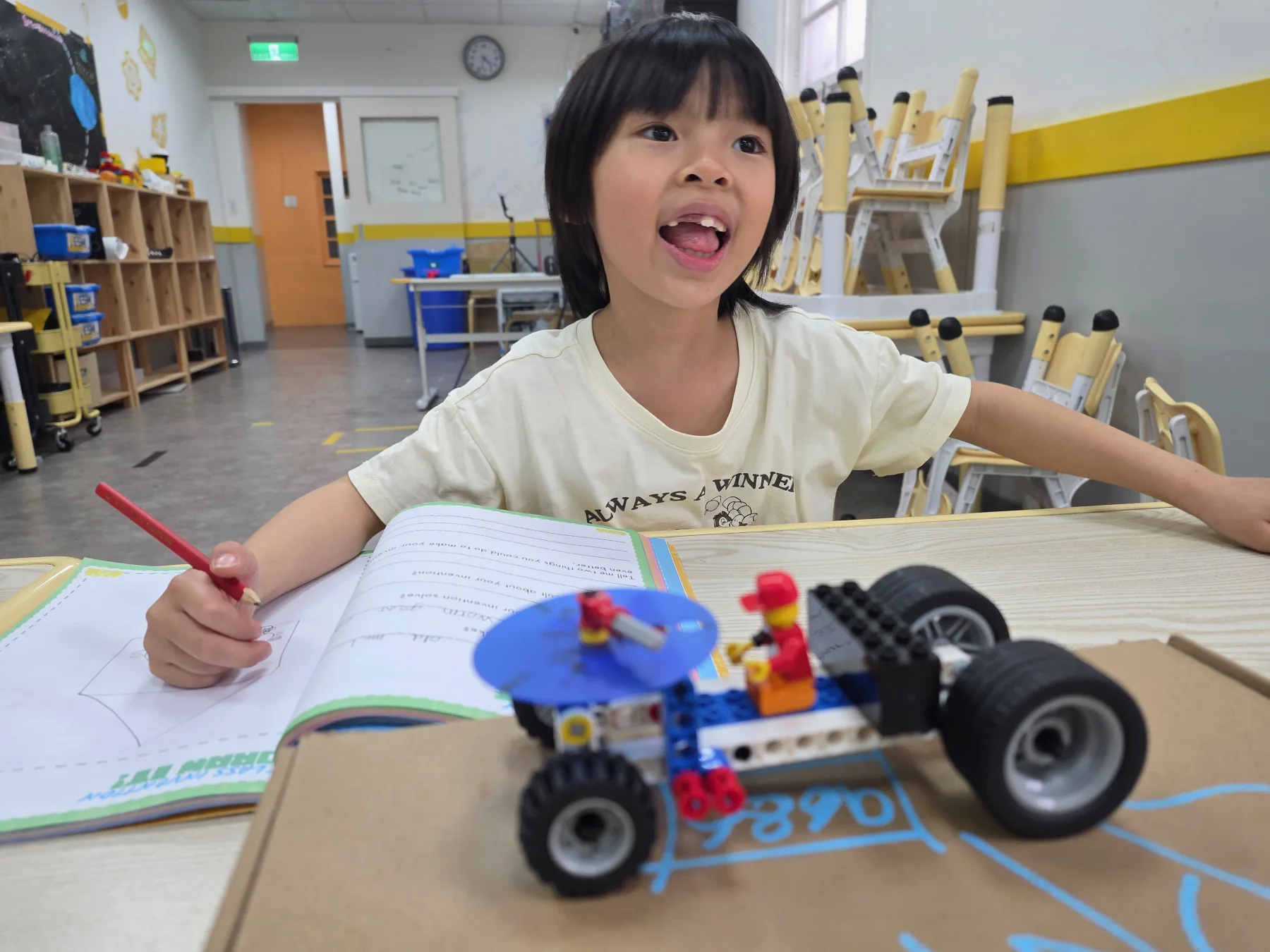
A Build Club student explaining her wheel-driven LEGO Sweeping Car beside her workbook
The Sweeping Car · a wheel-driven mechanism, a workbook and a student with something to explain

One unit · four 90-minute lessons

A complete test programme, with time to improve.

Eight units use the same four-lesson structure. Children return to the machine with a clearer question, a controlled change and evidence to discuss.

  1. 01

    Introduce & investigate

    Read the brief, explore the system and decide what performance to compare.

  2. 02

    Build

    Construct the source model and establish how the machine performs.

  3. 03

    Invent

    Develop a design, change a useful variable and compare the results.

  4. 04

    Review

    Use the records to explain the trade-offs and consolidate the unit's ideas.

SPM Two · full performance programme

Eight engineering challenges. Eight reasons to look at the data.

Motors power the climber, walker and crane. Road wheels drive the sweeper; a balanced lever makes the scales work. Children learn where the energy comes from, how it moves and what makes each system useful.

  1. PROJECT 01
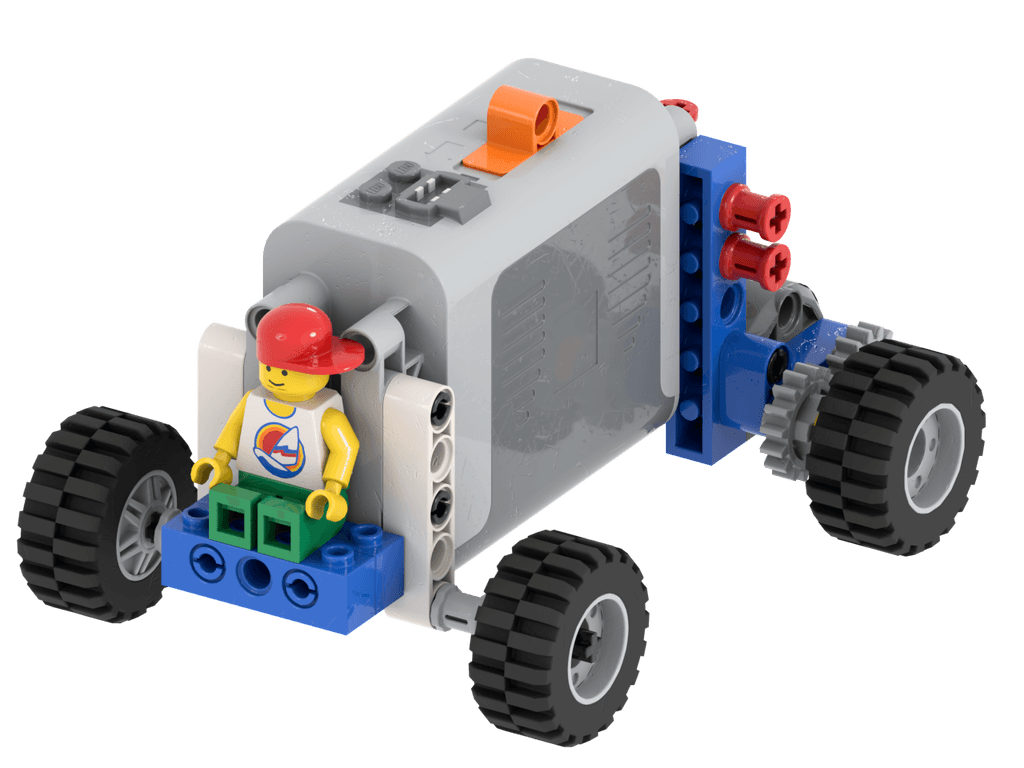
    The actual SPM Two Hill Climb Car with battery pack, motor, gears and four wheels
    Climb hills

    Hill Climb Car

    SYSTEMMotor · gear ratio · wheel choice
    MISSION BRIEF
    Engineer a powered car for a 60 cm slope that rises at least 20 cm.
    MEASURE
    Compare three gear configurations with two wheel types under the same hill-climb conditions.
    TUNE NEXT
    Select the combination that turns motor power into the most useful climbing force.
  2. PROJECT 02
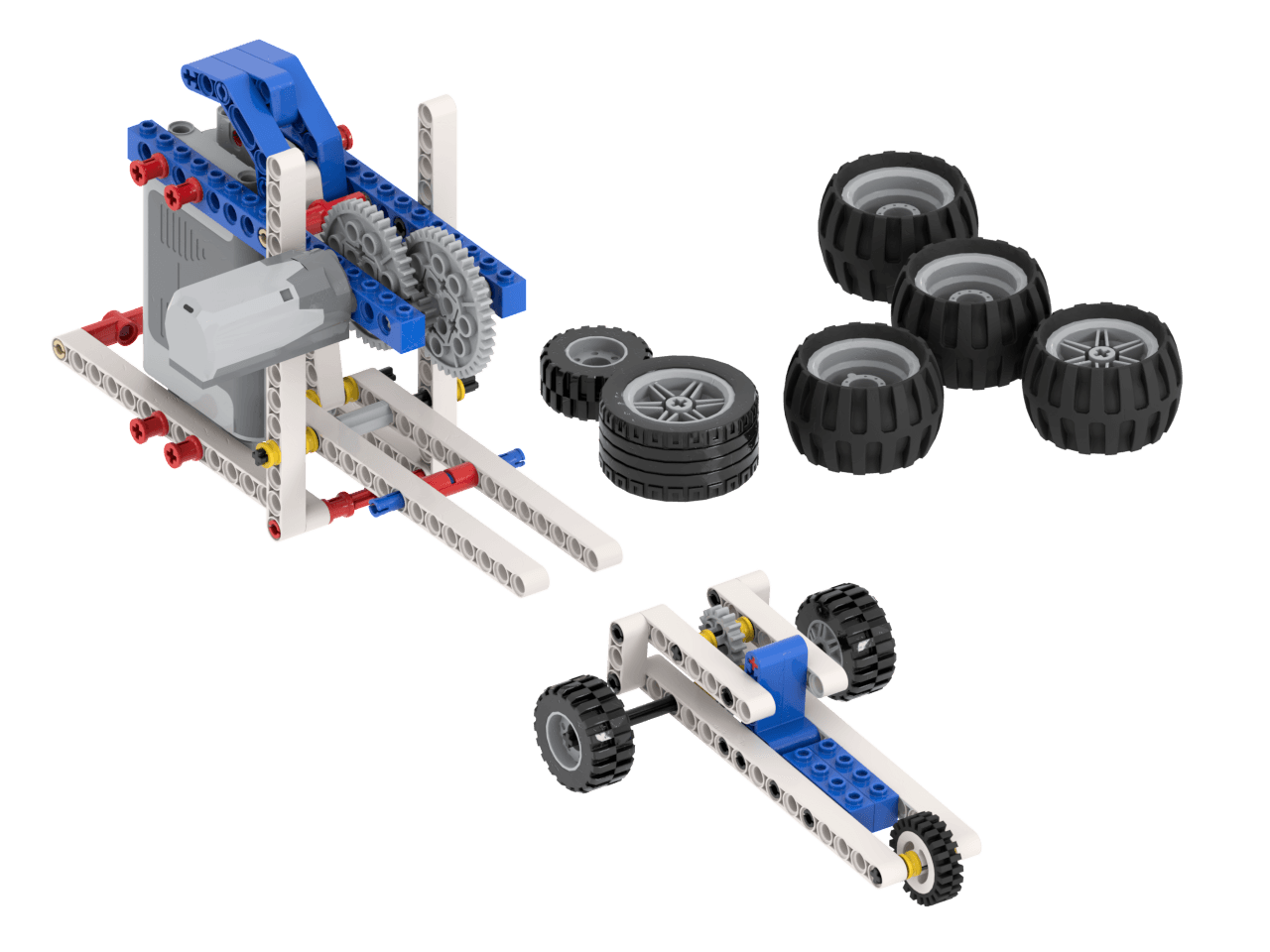
    The SPM Two Drag Racer powered launcher, one racer and interchangeable wheels
    Launch and roll

    Drag Racer

    SYSTEMPowered launcher · lever · rolling chassis
    MISSION BRIEF
    Use a powered launch station to release a light, motorless racer cleanly and consistently.
    MEASURE
    Compare six gear-and-wheel configurations over three runs, then calculate the average distance.
    TUNE NEXT
    Tune the racer and launcher as one complete performance system.
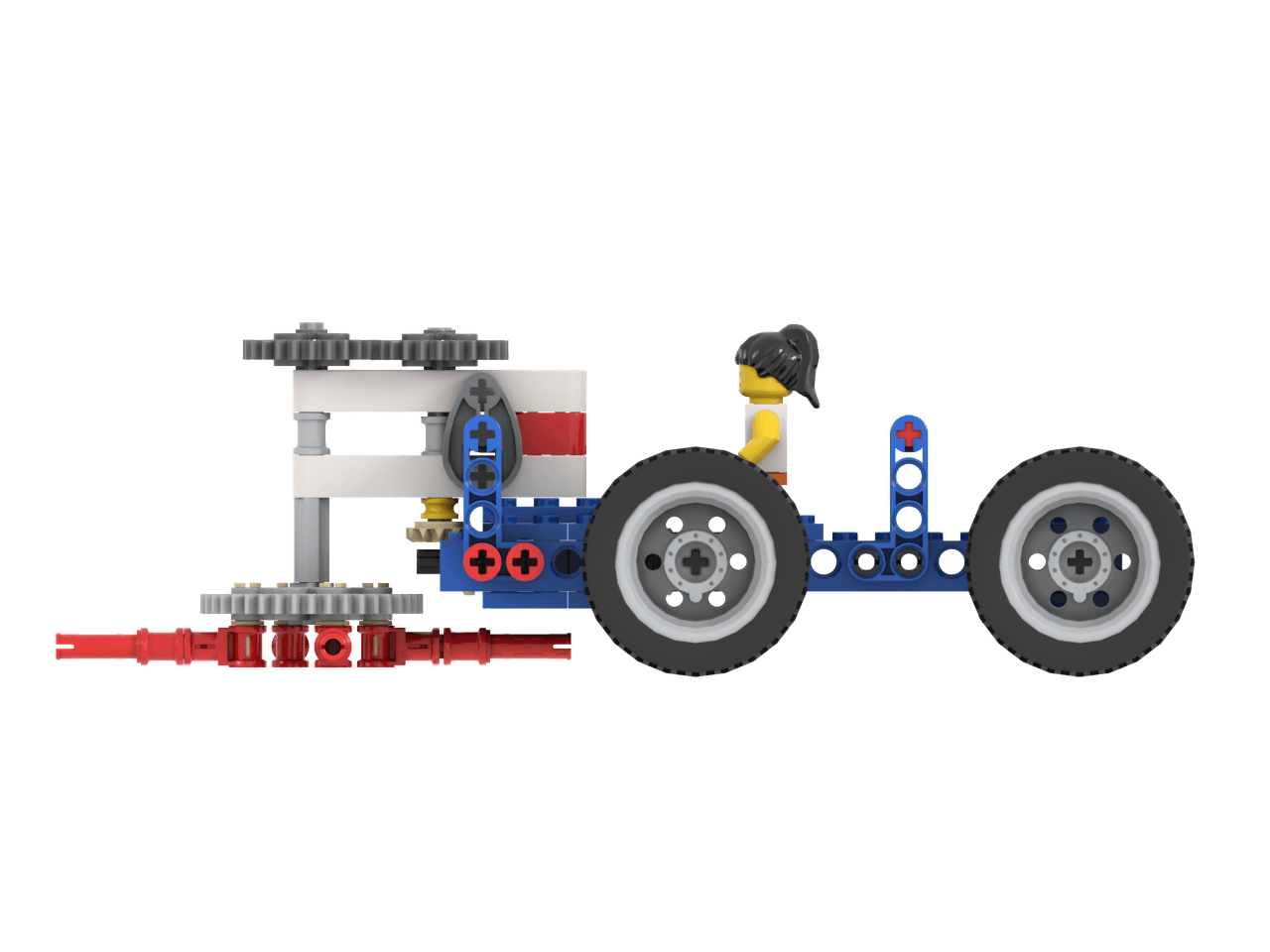
  3. PROJECT 03
    The SPM Two Sweeping Car with its large front sweeper and visible gears
    Sweep the floor

    Sweeping Car

    SYSTEMBevel gears · 90° power transfer · gear ratio
    MISSION BRIEF
    Redirect motion from the road wheels into a front sweeper that can move material aside.
    MEASURE
    Compare cleaning power, sweep speed and the energy needed to push the car.
    TUNE NEXT
    Balance a faster brush against the force needed for useful cleaning.
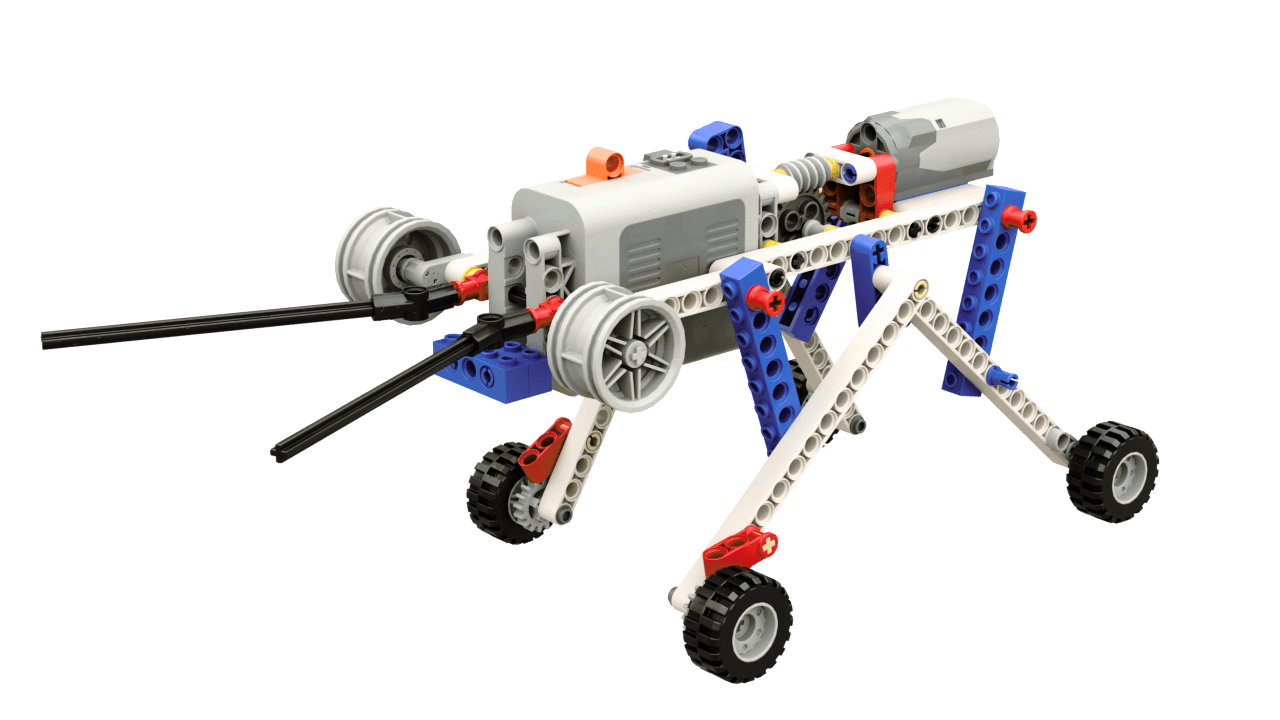
  4. PROJECT 04
    The SPM Two Walker with worm gearing and linked legs
    Walk over obstacles

    The Walker

    SYSTEMWorm gear · torque · leg pivots · ratchets
    MISSION BRIEF
    Turn rotary power into a controlled walking motion that resists slipping backwards.
    MEASURE
    Run four leg settings across a two-metre obstacle course and record speed and stability.
    TUNE NEXT
    Adjust leg geometry to find a stronger compromise between balance and pace.
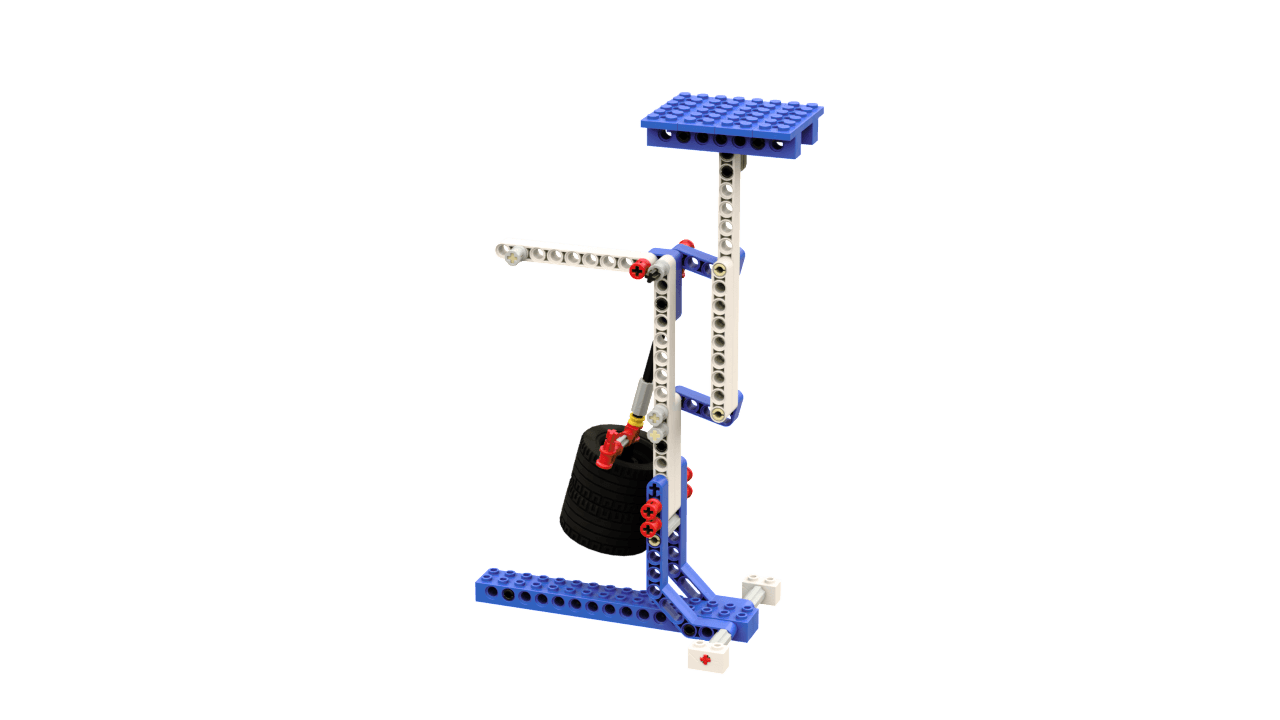
  5. PROJECT 05
    The actual SPM Two Weighing Scales with platform, lever and wheel counterweight
    Weigh objects

    Weighing Scales

    SYSTEMLever · balance · calibrated dial
    MISSION BRIEF
    Build a measuring machine that turns the pull of gravity into a readable result.
    MEASURE
    Use known masses to calibrate the dial, then measure and compare classroom objects.
    TUNE NEXT
    Refine the pointer and scale so readings are consistent, clear and accurate.
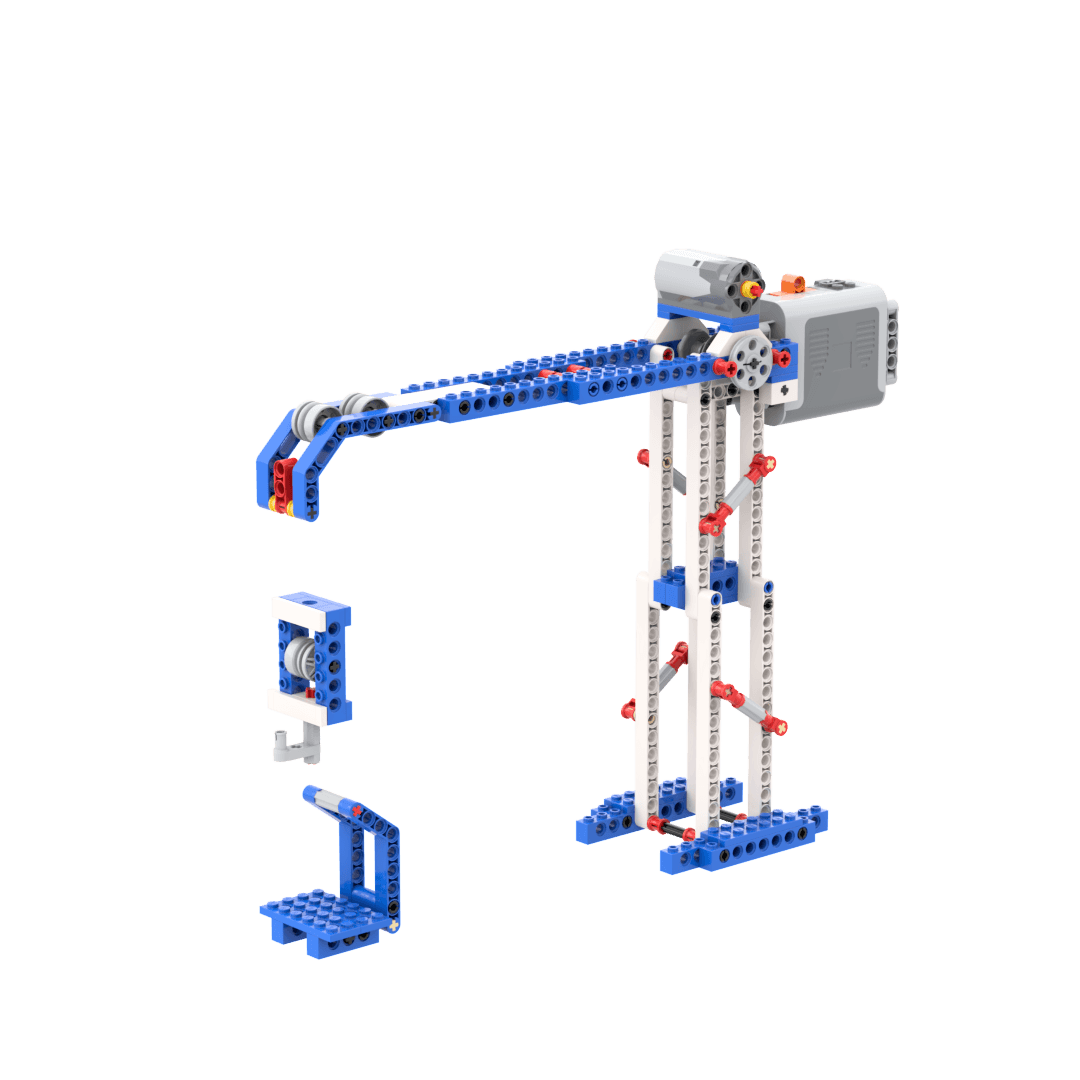
  6. PROJECT 06
    The SPM Two Big Crane with motor, belt drive, tower and lifting boom
    Lift a load

    Big Crane

    SYSTEMMotor · belt drive · lifting pulleys · stability
    MISSION BRIEF
    Build a powered crane that can lift a useful load without losing control or tipping.
    MEASURE
    Compare three pulley arrangements for lifting effort, height and system stability.
    TUNE NEXT
    Increase mechanical advantage while keeping the tower and load path secure.
  7. PROJECT 07
    The SPM Two Gear Change Car with its exposed nine-gear transmission
    Change speed

    Gear Change Car

    SYSTEMNine-gear transmission · two speed settings
    MISSION BRIEF
    Make one powered drivetrain deliver two deliberately different kinds of movement.
    MEASURE
    Time fast and slow settings over 200 cm, change one variable, then repeat the run.
    TUNE NEXT
    Tune the transmission for the job instead of assuming faster is always better.
  8. PROJECT 08
    The actual SPM Two DogBot with motor, cam eyes, moving jaw and belt-driven tail
    Bring DogBot to life

    DogBot

    SYSTEMCam · linkage · belt and pulley · one motor
    MISSION BRIEF
    Coordinate eyes, mouth and tail so one motor gives the machine expressive behaviour.
    MEASURE
    Compare three eye-cam settings and different tail pulley ratios.
    TUNE NEXT
    Tune timing and movement, then invent a new animated behaviour of their own.

What changes for the learner

They stop asking, “Did it work?” and start asking, “How well?”

That shift is the heart of Build Club Two. Students learn that performance is something they can define, measure and deliberately improve.

Read a trade-off

Use the Hill Climb records to compare how gear ratio and wheel choice affect a car's performance on the same slope.

Use repeated results

Run each Drag Racer configuration three times and compare the average distance, rather than relying on one launch.

Explain a choice

Use Walking Bug test records to explain which leg setting balances speed and stability on the obstacle course.

Ready for Build Club Two?

For builders ready to move from mechanism to performance.

Build Club Two is the natural progression after Build Club One, or for a child with equivalent LEGO engineering experience who is ready for longer powered builds and more disciplined testing.

  • They can follow a multi-stage technical build with growing independence.
  • They enjoy powered machines, races, lifting, movement or mechanical problem-solving.
  • They are ready to record results and compare more than one configuration.
  • They can accept that the best redesign may involve a trade-off, not one perfect answer.

Meet your Build Club 2 teachers

Ambitious builds need thoughtful coaching.

Paul and Jackson challenge experienced builders to test properly, diagnose problems and defend their design choices.

With Teacher Paul & Teacher Jackson
Teacher Paul

Build Club 2 teacher

Teacher Paul

Pushes students from a working model towards stronger engineering judgement.
Teacher Jackson

Build Club 2 teacher

Teacher Jackson

Keeps complex builds moving with practical coaching and purposeful tests.
Get to know the teaching team

Next-level engineering

Turn their building instinct into engineering judgement.

A trial class lets your child meet the workshop, work with a powered mechanism and discover whether this level of challenge feels right.

Take on powered engineering