
Menu
Courses

Ages 7–8 · Grades 1–2 · Mechanical engineering

BuildTestImprove

Build Club One: Finishing the model is only the beginning.

Build Club One turns a love of LEGO into an engineering habit. Children investigate a real mechanism, build it, measure what happens, improve the design and explain the evidence behind their decisions.

Open the Catapult book + try the 3D build
  • 8 complete SPM One challenges
  • Levers · gears · pulleys · structures
  • A test and invention in every unit
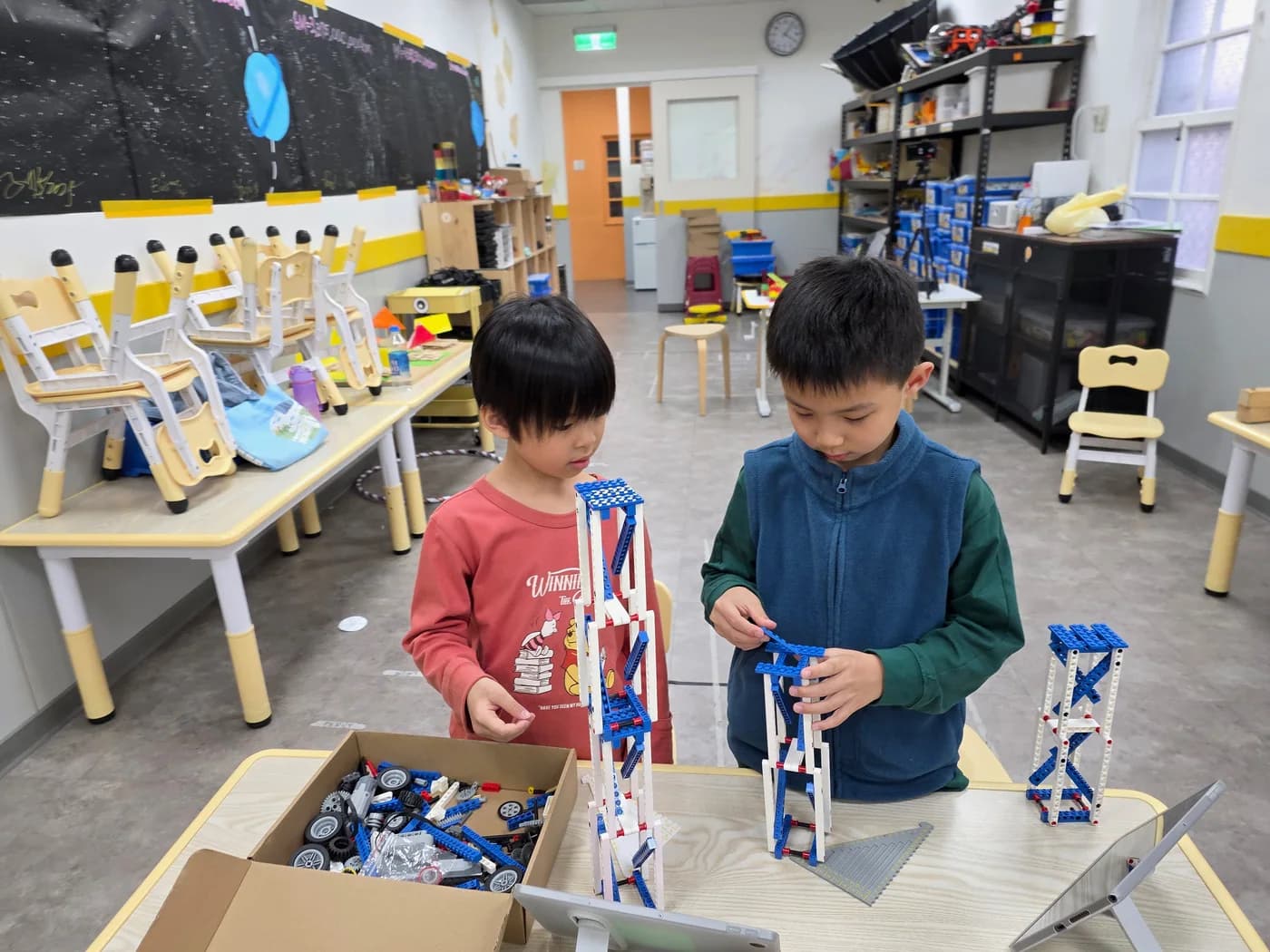
Two Build Club students comparing their blue and white LEGO towers
Building Tall · our STEAM SQUAD classroom
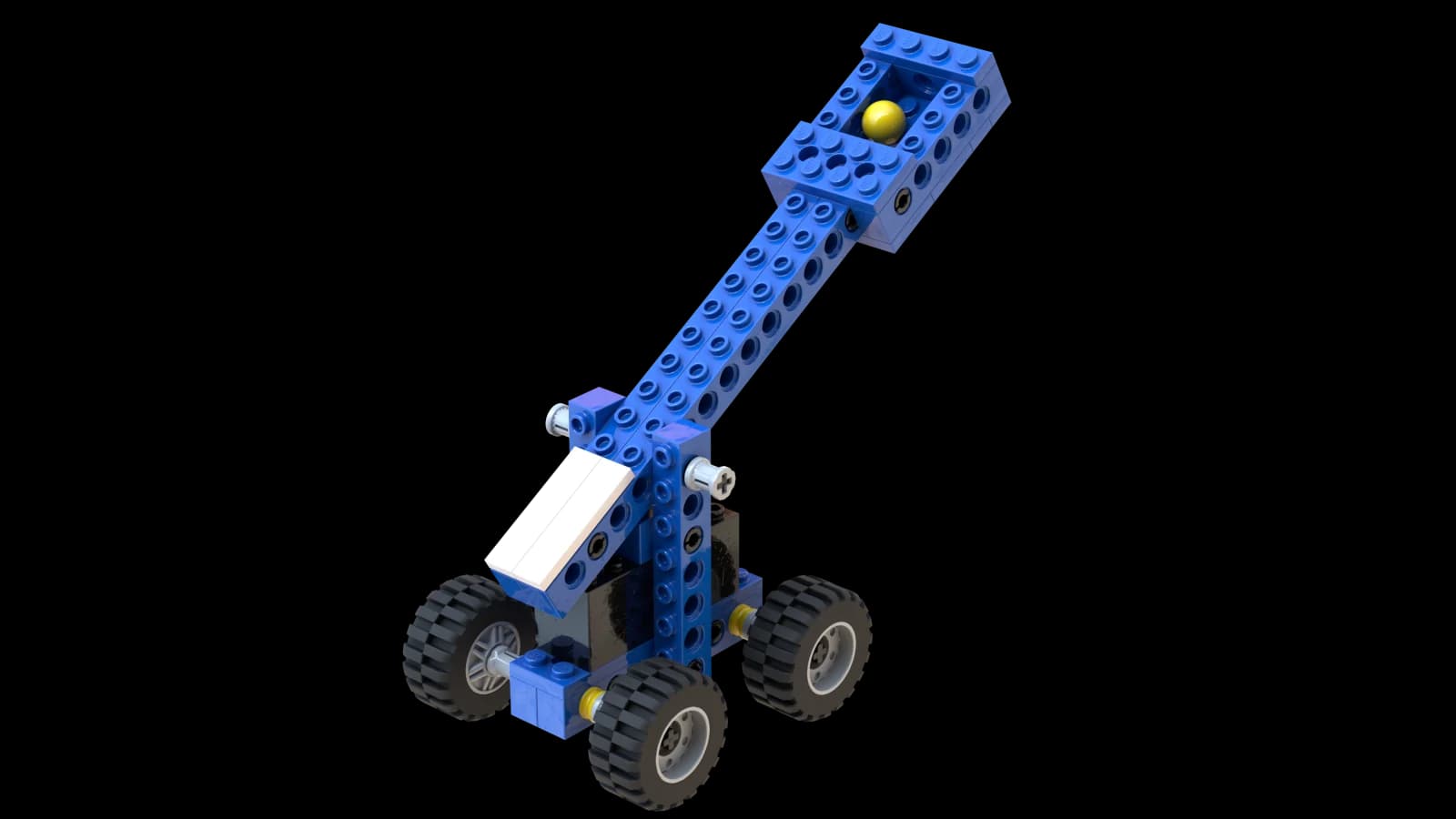
The LEGO catapult model used in Build Club One

Currently scheduled

Saturday 10:45–12:15

Starts 17 October 2026.

10 students maximum

This is the time for the group scheduled now. We may open new groups, so if this time does not suit your family, please still get in touch.

Ask about this course
08mechanism challenges
32lessons across the course
90minutes per lesson
ENread · build · explain

The STEAM SQUAD toolkit

One Catapult. Two pivot positions. What changes?

Look inside the first unit: read the story that sets the challenge, inspect the real model in 3D, then see the test page children use to compare two pivot positions.

Read it. Test it. Put it into words.

A story gives each project a purpose. Children read, answer comprehension questions, learn the engineering vocabulary and record their own results. English belongs to the work they care about.

Actual pages from our SPM One student book
STEAM SQUAD / BrickStepThe Catapult · 3D
Our LEGO Education 9686 Catapult, with its blue lever arm, pivot and wheeled base

Drag in any direction to turn it. Use + and − to zoom.

Open the building instructions ↗

Turn the model. Find the connection.

Turn our actual Catapult to inspect the lever, pivot and wheels from every angle. Look underneath, zoom in on a connection, then open BrickStep to follow the building instructions.

The parent briefing

The LEGO model gets their attention. The thinking is what stays.

Following instructions gives every child a reliable starting point. Then the real course begins: they change one variable, gather a result, compare it with a prediction and decide what to try next.

  1. 01

    Predict

    They learn to say what they expect before touching the mechanism.

  2. 02

    Prove

    They use distance, time, load or a result table instead of guessing.

  3. 03

    Explain

    Engineering English has a purpose because there is a real decision to defend.

Our student book, pages 11–12 · A Simple Lever / Real Life Levers

Inside one unit · four 90-minute lessons

Time to investigate, build and make it their own.

Each of the eight units follows this four-lesson sequence. Testing, recording and explaining run through the work, with time to return to an idea and improve it.

  1. 01

    Introduce & investigate

    Read the project brief, explore the mechanism and predict what will happen.

  2. 02

    Build

    Follow the instructions, connect the parts and test how the source model works.

  3. 03

    Invent

    Use the mechanism in a design of their own, then test and adjust it.

  4. 04

    Review

    Revisit the results, explain design choices and consolidate the unit's ideas.

SPM One · complete mechanism map

Eight machines. Eight different ways to make an idea move.

These are the eight Build Club One challenges. Every model introduces a specific mechanism and a testable question—not simply another set of instructions.

  1. A blue and white LEGO catapult with a long lever arm
    01 / 08SPM One source project: The Catapult

    The Catapult

    MechanismLever · pivot · effort · load
    Investigate
    How does moving the pivot change a launch?
    Measure
    Score accuracy and compare launch positions.
    Invent
    Create a new machine powered by a lever.
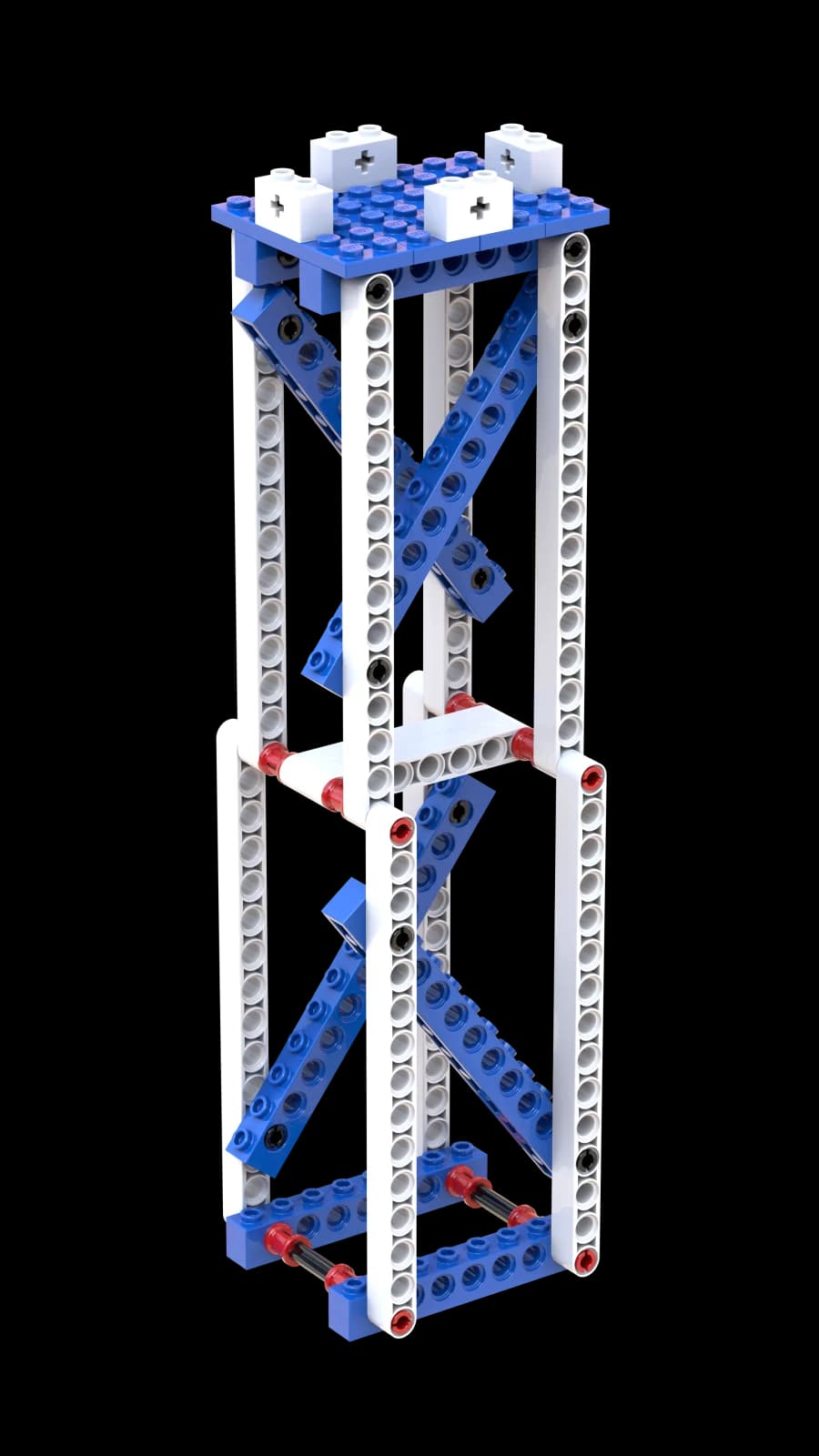
  2. A tall blue and white LEGO tower reinforced with diagonal struts
    02 / 08SPM One source project: Building Tall

    The Tower

    MechanismTriangles · struts · compression
    Investigate
    Why do some tall structures wobble while others stay rigid?
    Measure
    Compare load strength with and without triangular struts.
    Invent
    Build the tallest stable structure the team can defend.
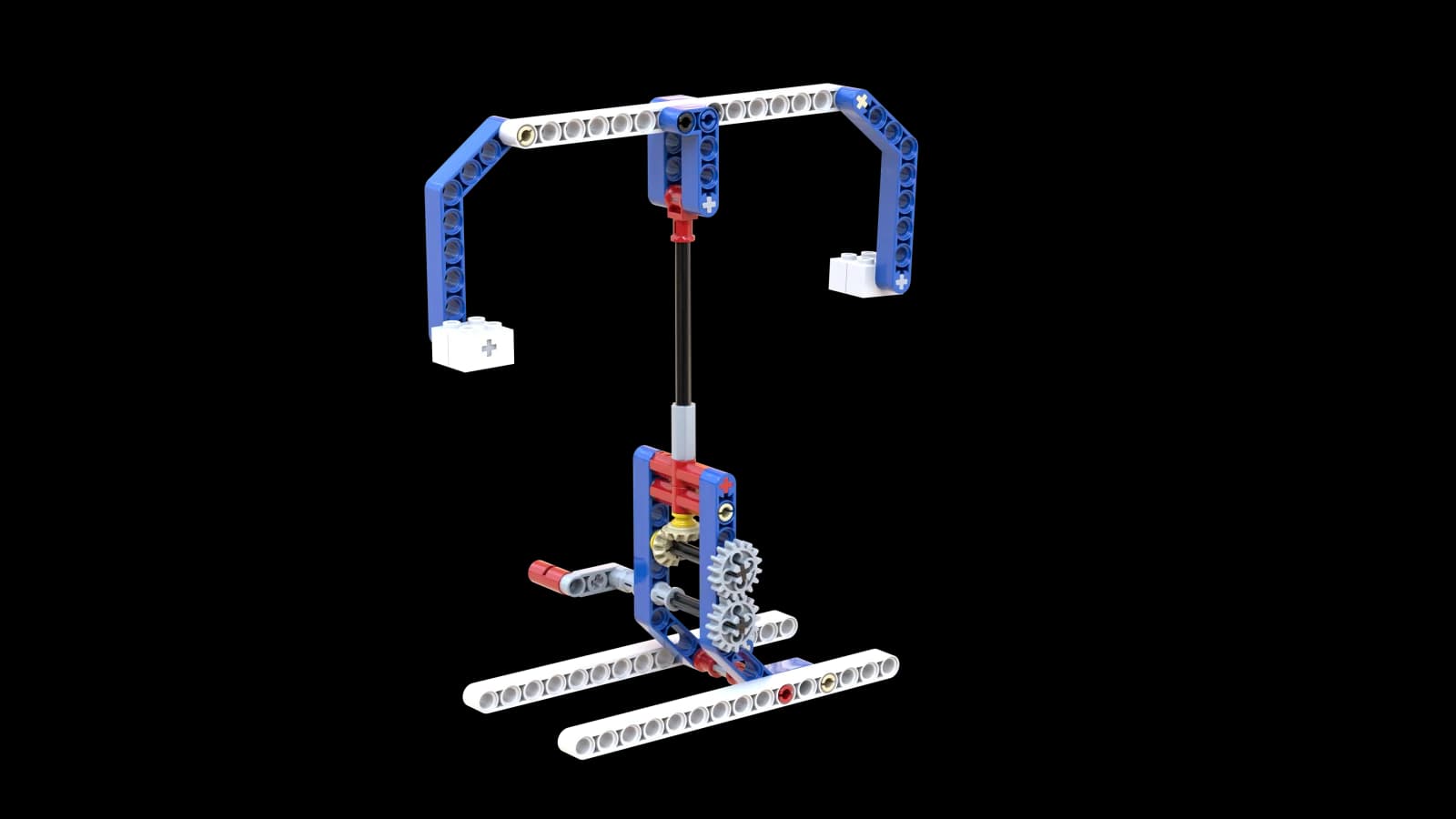
  3. A long blue LEGO spinning-top launcher with visible gears
    03 / 08SPM One source project: Spinning Top

    The Spinner

    MechanismGears · gear ratio · rotation
    Investigate
    Which gear pairing produces the most useful spin?
    Measure
    Compare speed and spin time across different ratios.
    Invent
    Design a geared spinning machine of their own.
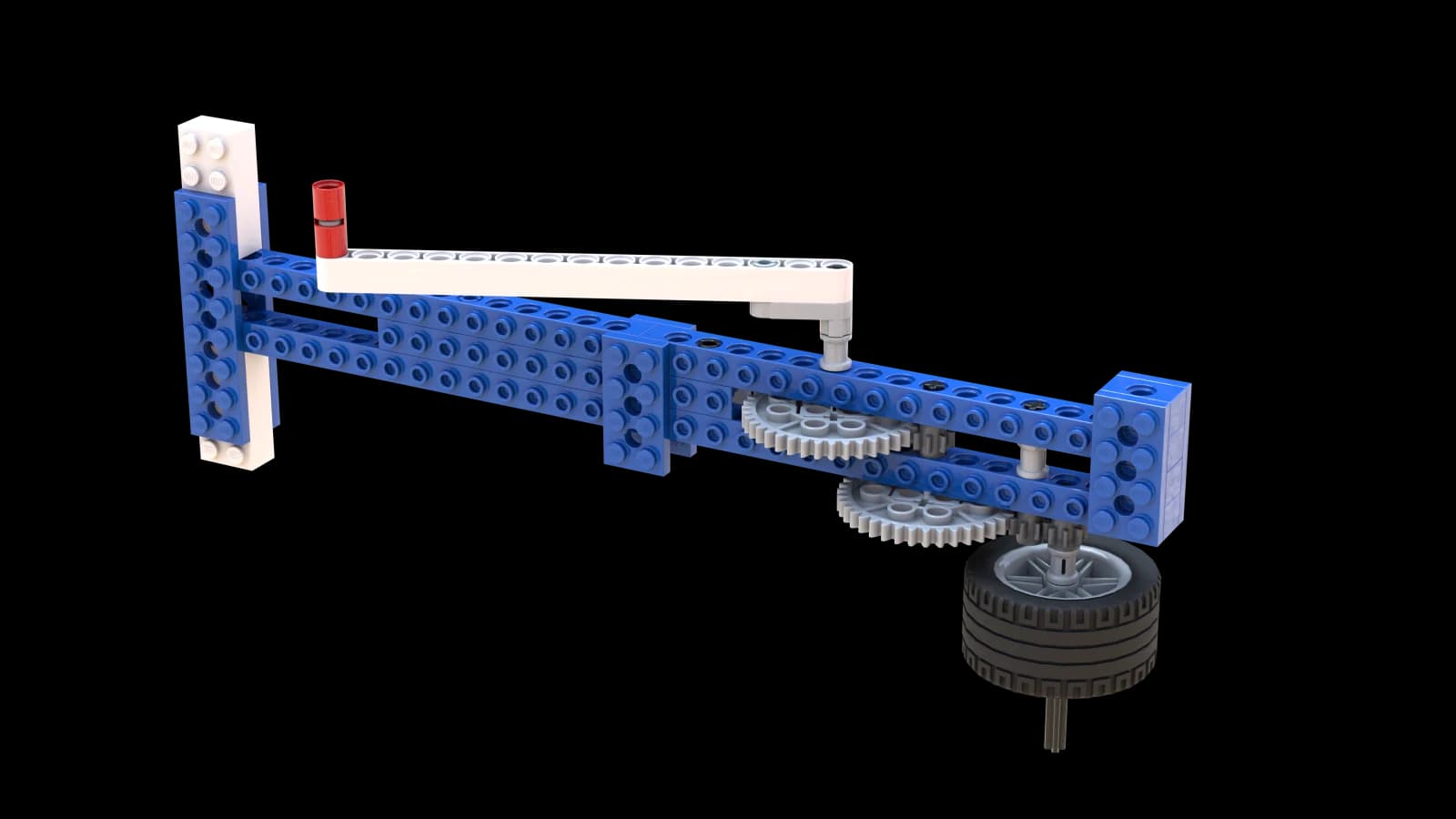
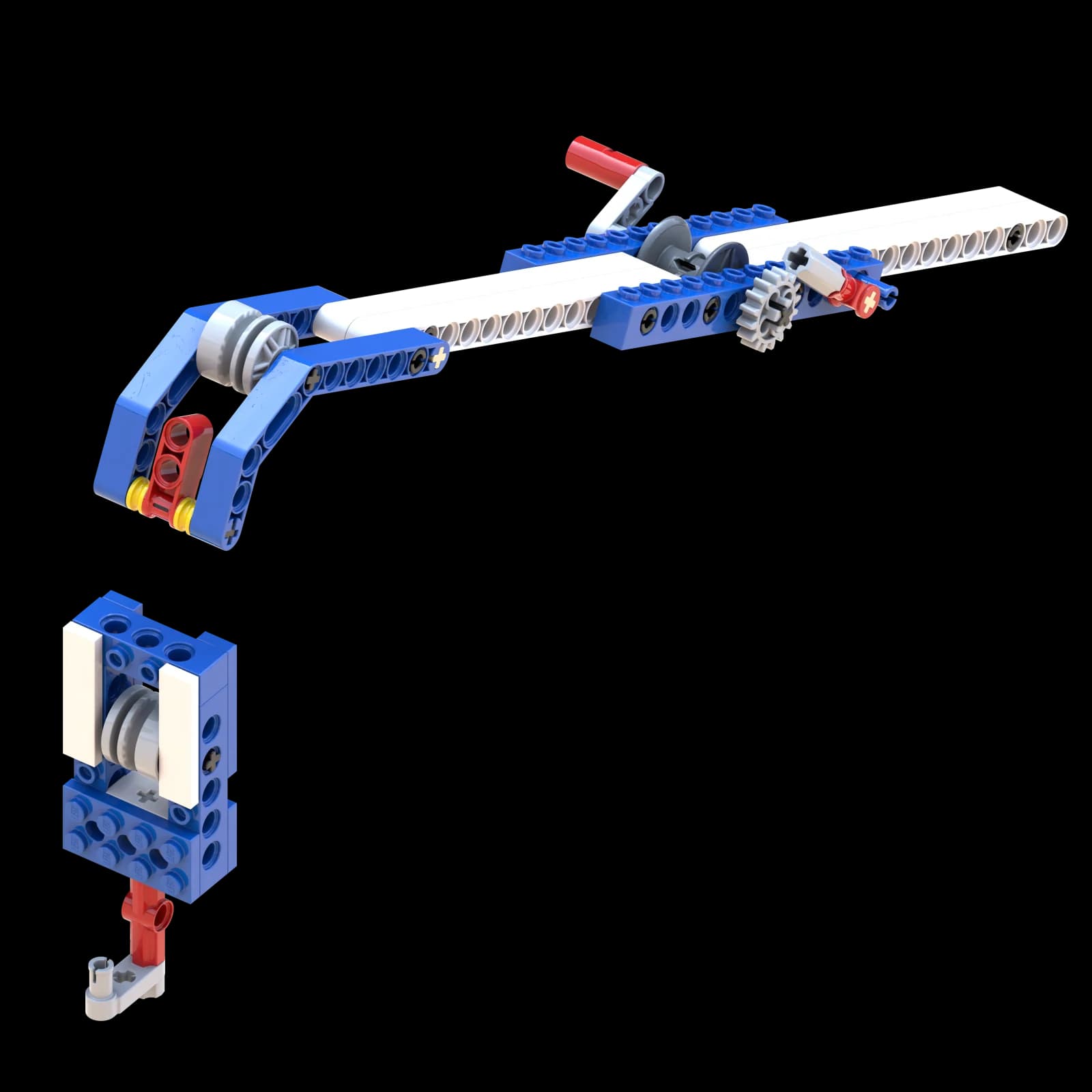
  4. A blue and white LEGO merry-go-round mechanism
    04 / 08SPM One source project: Merry Go Round

    The Ride

    MechanismGear train · rotary motion · speed
    Investigate
    How can one turning handle create a continuous ride?
    Measure
    Compare gear settings and observe seat movement.
    Invent
    Engineer a new moving attraction for a theme park.
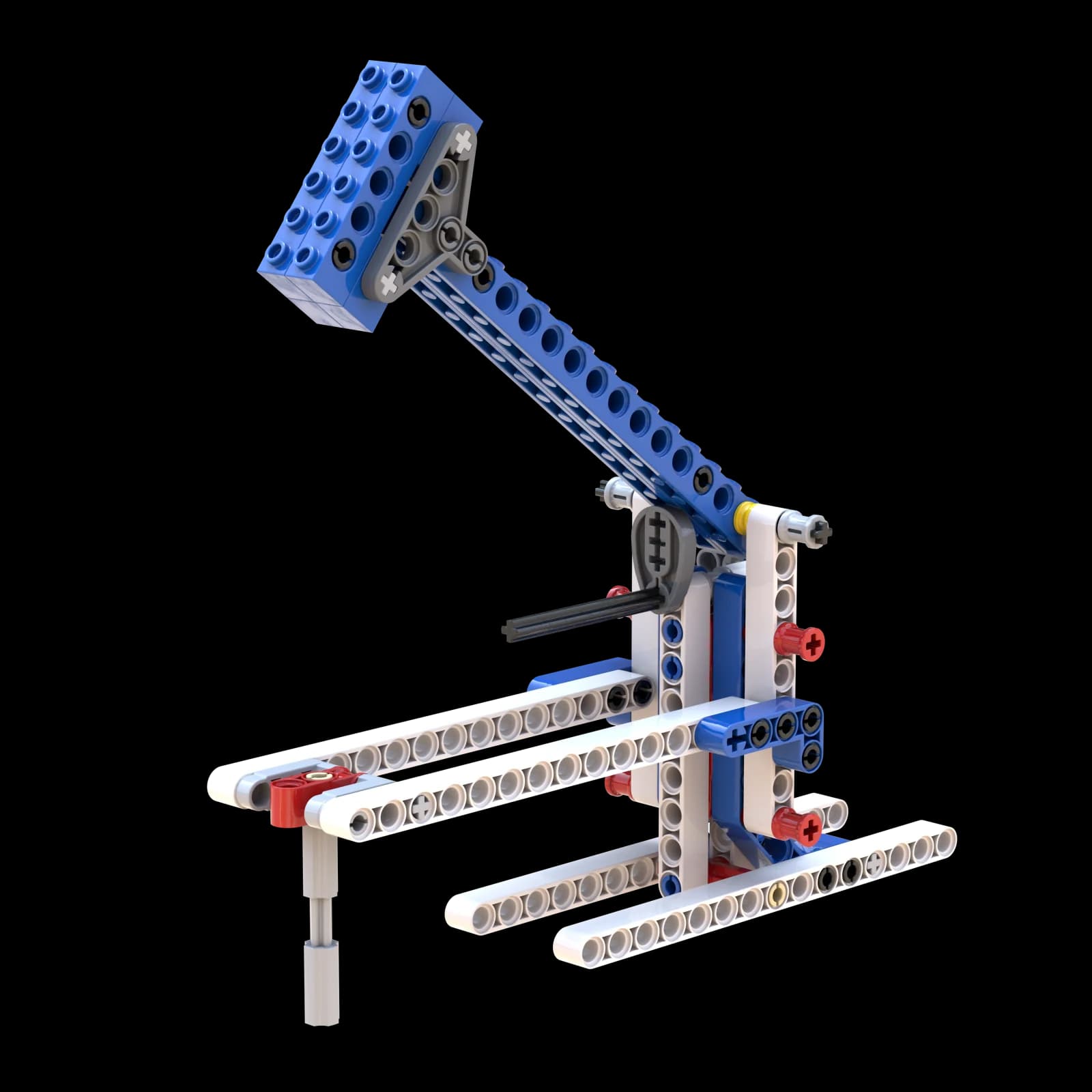
  5. A blue and white LEGO cam hammer with a long moving arm
    05 / 08SPM One source project: Cam Hammer

    The Hammer

    MechanismCam · rotary-to-linear motion
    Investigate
    How can a turning axle make a hammer rise and fall?
    Measure
    Count strikes and compare different cam shapes.
    Invent
    Use a cam to automate a different repeated action.
  6. A blue and white LEGO crane with a pulley boom
    06 / 08SPM One source project: Simple Crane

    The Crane

    MechanismPulley · axle · lifting force
    Investigate
    What changes when a lifting system uses more pulleys?
    Measure
    Compare lift height, effort and pulley arrangements.
    Invent
    Create a lifting machine for a new job site.
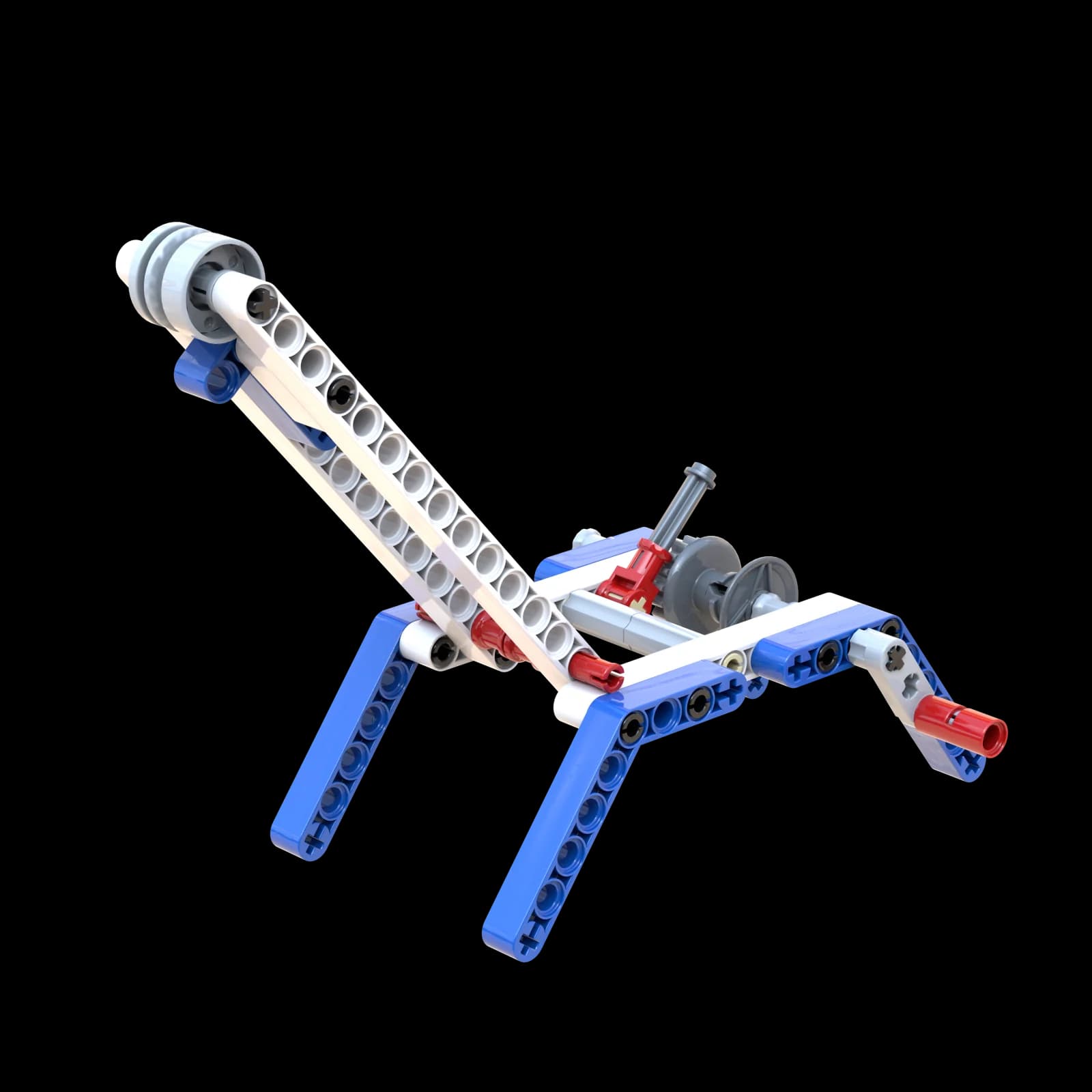
  7. A blue and white LEGO fishing rod with a reel, pulley and hook
    07 / 08SPM One source project: Fishing Rod

    The Rod

    MechanismPulley · ratchet · hook design
    Investigate
    How can a line move freely but resist slipping backwards?
    Measure
    Compare hook designs and record successful catches.
    Invent
    Design a new machine that reels, holds or retrieves.
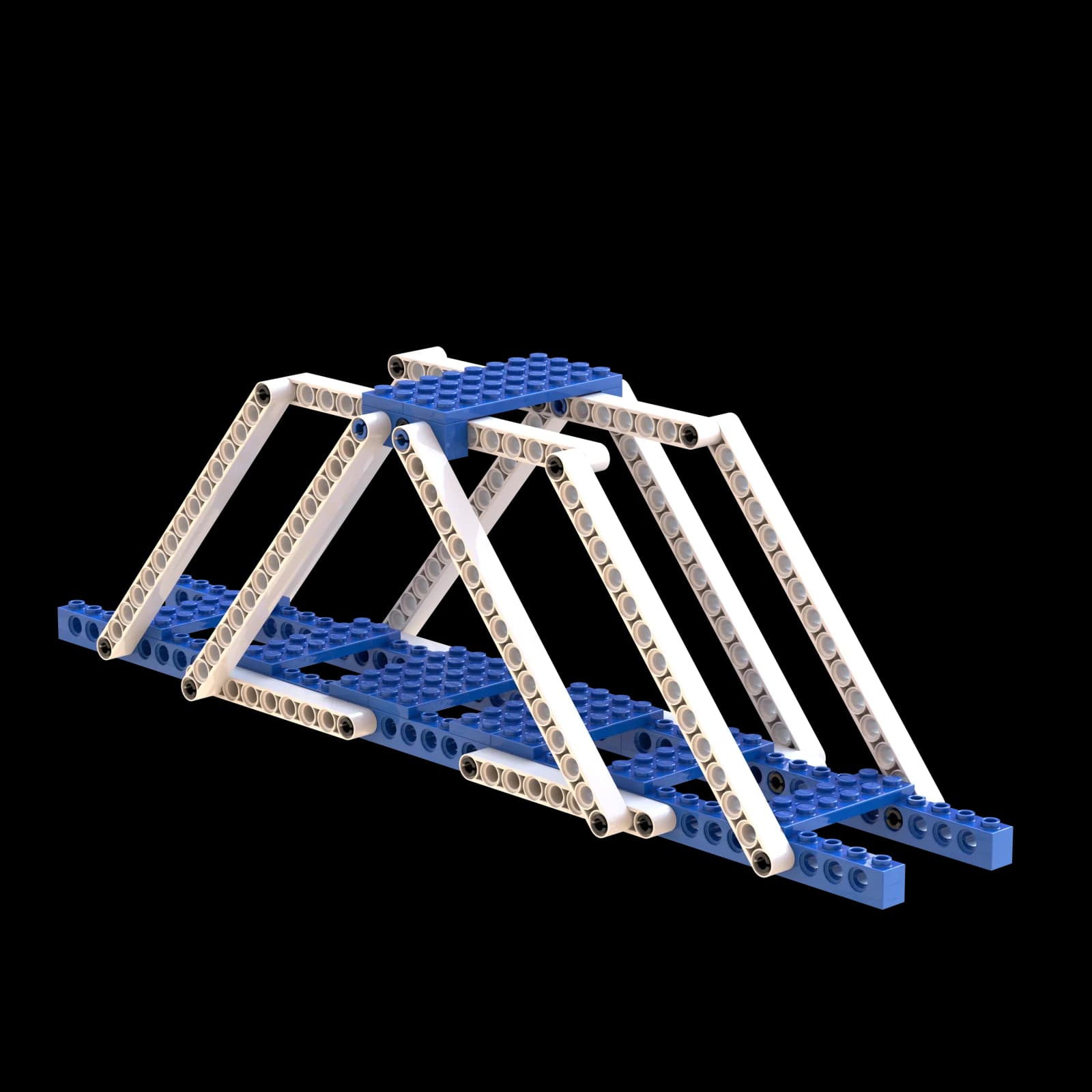
  8. A blue and white LEGO truss bridge
    08 / 08SPM One source project: Bridge Building 101

    The Bridge

    MechanismTruss · triangle · span · load
    Investigate
    How do triangles carry force across an open span?
    Measure
    Increase the load, compare structures and find the failure point.
    Invent
    Engineer the strongest bridge their evidence can support.

What your child practises

A model, a record and a reason for the change.

Children begin to see that a stronger tower, a longer launch or a smoother lift is not magic. It comes from a choice they can identify, test and communicate.

01

Make a fair comparison

Move the Catapult pivot, keep the launch procedure consistent and compare the results.

02

Record their thinking

Label effort, pivot and load, then use the test table to connect a change with its effect.

03

Explain a redesign

Use a tower's stability test or a crane's lifting test to explain why they changed the structure or pulley arrangement.

Is Build Club One the right start?

For the child who keeps asking, “But how does it work?”

Build Club One is designed as the core elementary entry point: structured enough to build confidence, open enough to reward a child who wants to experiment.

  • They are 7–8 and enjoy making things with LEGO or construction materials.
  • They are ready to follow a technical sequence, then make their own decisions.
  • They like movement, machines, challenges or finding out why something failed.
  • They are building confidence describing ideas and evidence in English.

Meet your Build Club 1 teachers

Three teachers. One engineering rhythm.

Paul, Jackson and Rianne give beginning engineers the structure, momentum and confidence to keep improving an idea.

With Teacher Paul, Teacher Jackson & Teacher Rianne
Teacher Paul

Build Club 1 teacher

Teacher Paul

Connects each mechanism to a clear engineering question and test plan.
Teacher Jackson

Build Club 1 teacher

Teacher Jackson

Makes repeated testing feel fast, focused and exciting.
Teacher Rianne

Build Club 1 teacher

Teacher Rianne

Draws out quiet observations and helps students explain their evidence.
Get to know the teaching team

Workshop entry point

Give their LEGO obsession somewhere serious to go.

A friendly trial class lets your child meet the workshop, build with purpose and experience the Build Club engineering cycle before you decide.
Join the first Build Club level